Home Blog Page 1237

袁鹏:现在感觉比撞机炸馆还糟糕

0

作者:  来源:凤凰网

  “苏联没了,本·拉登也没了,奥巴马时期双方找到气侯变化,并联想下一个合作点,而现在这一联想也没了,经贸又出了问题。那么靠什么来支撑这么大的关系呢?”
  中国现代国际关系研究院副院长袁鹏形容,虽然当前没有发生撞机、炸馆这样的恶性事件,但感觉比那个时候还要糟糕。
  美欲弃以往大框架
  毋庸置疑,美国对华战略正在经历大辩论、大反思和重要调整阶段。这种辩论在历史上曾有三次,当前为第四次。与以前不同的是,美国政商学军全方位参与此次辩论。
  美国本次辩论朝野共赴,且政府亲自参与,甚至引领辩论,这更是前所未有。此外,本次辩论还有一个特点,声音几乎一边倒。在过去的辩论中,有人赞扬中国,也有人批评中国,但现在,赞扬中国的声音基本消失。这几个特点加在一起,中方要予以高度重视。
  最重要的一点是,过去的辩论总在一个大框架内进行,认为美国对华战略应以接触加遏制为主。然而,本次辩论认为,该框架应该彻底抛弃。过去三四十年,以接触为主、遏制为辅的大框架是失败的,这个结论目前已经基本得出。
  短兵相接在亚太
  如果说,过去的中国既是美国的对手,又是其合作伙伴,美国在这两个角色定位区间摇摆,那么现在的结论则认为,中国就是一个竞争对手,并且是全方位的竞争对手。中美不只在亚太竞争,而是全球性竞争,这与过去相比是最大不同。
  过去,美国担心中国在亚太的挑战,但随着“一带一路”、吉布提保障基地等建设,美国越来越认为中国是一个全球性对手。这些背景叠加在一起,并不排除美国对华战略重新定向。
  那么,为什么会出现这样的变化?总结主要原因如下。
  一是结构性原因,中美实力对比从量变发展到质变临界点。与此同时,中美战略变化,美国过去的战略重点在欧洲和中东,现在转移至亚太;中国过去是韬光养晦,现在则是奋发有为。
  二是美国战略收缩并没有收回去,而是停在了亚太;中国战略扩展也没有扩出去,目前仍聚焦于亚太。因此,双方在亚太地区正面相撞,短兵相接。
  当前相撞无经验可寻
  现在的中美“相撞”,既没有历史经验可寻,也没有现实路径可走。双方都很痛苦地寻求如何在亚太地区和平共处。
   
  实力变了,战略变了,基础也变了。冷战时期,有苏联;冷战后,有共同经贸;911后,有共同反恐。现在,中美之间突然惊觉,要靠什么支撑中美合作?
   
  苏联没了,本·拉登也没了,奥巴马时期,双方找到气侯变化,并联想下一个合作点。而现在这一联想也没了,经贸又出了问题,靠什么支撑这么大的关系呢?中美现在就像两个没有感情的人过日子,有了“过不下去”的感觉。但是,虽然现在很痛苦,但又无法彻底分道扬镳。
   
  现在感觉比撞机、炸馆还糟
  当前,中美关系的另一个特点是,中美双边关系受制于第三方。
  本质而言,中美两国本身并没有那么多矛盾,但因为受到朝鲜、日本、印度、乌克兰、伊朗等问题掣肘。中国与第三方的矛盾,美国与第三方的矛盾,最后无一例外,都上升到中美之间的矛盾。原因很简单,中国已经从区域性大国变成全球性大国。
  所以,实力、战略、基础、力量四大变化同时出现,导致中美关系早就不是过去的中美关系。
  可是,当前指导中美关系的仍是中美三个联合公报,在现实情况中,他们实际已经指导“失灵”。
  因此,当前中美关系缺乏顶层新框架,这也导致中美关系被一个个具体领域的具体事件拽着走。虽然没有发生撞机、炸馆这样的恶性事件,但感觉比那个时候还要糟糕。
  (编者注:“撞机”指2001年4月1日中美南海撞机事件;“炸馆”指1999年5月8日,美国B-2轰炸机攻击中国驻南斯拉夫联盟大使馆。)

来源时间:2018/4/4   发布时间:2018/4/4

旧文章ID:15783

袁鹏:现在感觉比撞机炸馆还糟

0

作者:袁鹏  来源:凤凰大参考No.418

  “苏联没了,本.拉登也没了,奥巴马时期中美找到气侯变化,并联想下一个合作点,而现在这一联想也没了,经贸又出了问题。那么靠什么来支撑这么大的关系呢?”
  中国现代国际关系研究院副院长袁鹏形容,虽然当前没有发生撞机、炸馆这样的恶性事件,但感觉比那个时候还要糟糕。
  美欲弃以往大框架
  毋庸置疑,美国对华战略正在经历大辩论、大反思和重要调整阶段。这种辩论在历史上曾有三次,当前为第四次。与以前不同的是,美国政商学军全方位参与此次辩论。
  美国本次辩论朝野共赴,且政府亲自参与,甚至引领辩论,这更是前所未有。此外,本次辩论还有一个特点,声音几乎一边倒。在过去的辩论中,有人赞扬中国,也有人批评中国,但现在,赞扬中国的声音基本消失。这几个特点加在一起,中方要予以高度重视。
  最重要的一点是,过去的辩论总在一个大框架内进行,认为美国对华战略应以接触加遏制为主。然而,本次辩论认为,该框架应该彻底抛弃。过去三四十年,以接触为主、遏制为辅的大框架是失败的,这个结论目前已经基本得出。
  短兵相接在亚太
  如果说,过去的中国既是美国的对手,又是其合作伙伴,美国在这两个角色定位区间摇摆,那么现在的结论则认为,中国就是一个竞争对手,并且是全方位的竞争对手。中美不只在亚太竞争,而是全球性竞争,这与过去相比是最大不同。
  过去,美国担心中国在亚太的挑战,但随着“一带一路”、吉布提保障基地等建设,美国越来越认为中国是一个全球性对手。这些背景叠加在一起,并不排除美国对华战略重新定向。
  那么,为什么会出现这样的变化?总结主要原因如下。
  一是结构性原因,中美实力对比从量变发展到质变临界点。与此同时,中美战略变化,美国过去的战略重点在欧洲和中东,现在转移至亚太;中国过去是韬光养晦,现在则是奋发有为。
  二是美国战略收缩并没有收回去,而是停在了亚太;中国战略扩展也没有扩出去,目前仍聚焦于亚太。因此,双方在亚太地区正面相撞,短兵相接。
  当前相撞无经验可寻
  现在的中美“相撞”,既没有历史经验可寻,也没有现实路径可走。双方都很痛苦地寻求如何在亚太地区和平共处。
  实力变了,战略变了,基础也变了。冷战时期,有苏联;冷战后,有共同经贸;911后,有共同反恐。现在,中美之间突然惊觉,要靠什么支撑中美合作?
  苏联没了,本.拉登也没了, 奥巴马时期,双方找到气侯变化,并联想下一个合作点。而现在这一联想也没了,经贸又出了问题,靠什么支撑这么大的关系呢?中美现在就像两个没有感情的人过日子,有了“过不下去”的感觉。但是,虽然现在很痛苦,但又无法彻底分道扬镳。
  现在感觉比撞机、炸馆还糟
  当前,中美关系的另一个特点是,中美双边关系受制于第三方。
  本质而言,中美两国本身并没有那么多矛盾,但因为受到朝鲜、日本、印度、乌克兰、伊朗等问题掣肘。中国与第三方的矛盾,美国与第三方的矛盾,最后无一例外,都上升到中美两家之间的矛盾。原因很简单,中国已经从区域性大国变成全球性大国。
  所以,实力、战略、基础、力量四大变化同时出现,导致当前中美关系早就不是过去的中美关系。
  可是,当前指导中美关系的仍是中美三个联合公报,在现实情况中,他们实际已经指导“失灵”。因此,习近平主席提出构建新型大国关系,但是,美国没有积极呼应。
  因此,当前的中美关系缺乏顶层新框架,这也导致中美关系被一个个具体领域的具体事件拽着走。虽然没有发生撞机、炸馆这样的恶性事件,但感觉比那个时候还要糟糕。
  (编者注:“撞机”指2001年4月1日中美南海撞机事件;“炸馆”指1999年5月8日,美国B-2轰炸机攻击中国驻南斯拉夫联盟大使馆。)

来源时间:2018/4/4   发布时间:2018/4/4

旧文章ID:15782

马晓野:通过谈判解决中美经贸冲突

作者:马晓野  来源:来函照登

  1、历史告诉我们
  中美自1980年签订双边贸易协定之后,双边贸易开始适用最惠国待遇条款。自此中国产品得以按平均低于5%的关税税率进入美国而不必交纳平均高达59.6%的大萧条时期的高关税。
  五年之后中美不得不在WTO的前身GATT的多边纺织品安排下,通过谈判签署了限制中国纺织品对美出口的协议。
  十年之后,出于六四政治原因,美国国内要求取消中国最惠国待遇的压力越来越大。由于美国海关关税税制的关系,一旦取消中国最惠国贸易关税,中国对美的出口贸易就会近乎“清零”,而双边外交关系也就丧失了大部的实质意义。考虑到随后可能引发贸易转向对其他进口国带来的压力以及连锁反应,取消对华最惠国待遇的恶果对整个世界贸易关系而言都是不可承受之重。于是,美国在关贸总协定GATT多边经济外交场合率先突破其国内的外交制裁规定,谋求通过谈判制定新的双边贸易规则以缓解国会的压力。中方乐意配合,因为这是六四后通过经济贸易规则的谈判与交往,突破孤立重回国际社会的有效方式。同期,由于市场力量的推动,在双边政治关系降到冰点时,贸易交往却快速增加。美方通过多边场合解决双边经贸难题的动作,实际上推动了此前中国启动重返GATT时所遇僵局的破解。
  中国对美出口在飞速增长,这也在不断地给谈判进程和议题加码。在多边场合进行的双边谈判刚刚意向性的达成一致,美方谈判代表纽柯克据此宣布GATT问题已经初步达成一致,此举也解决了80%的双边问题。话音一落,美国舆论哗然。结果是纽柯克被迫提前退休,以结束职业生涯为误判了美国各界的意愿自行买单。
  老布什在1992年前后决定出售战斗机给台湾,同时解除了对华的制裁。至此,中美市场准入、知识产权、劳改产品以及纺织品对美非法转口的系列贸易谈判正式开启。这一系列谈判达成的制度性成果,加上世纪之交中国加入WTO时中国在多边场合承担了市场开放的义务,以及其他的一些特殊安排,确保了在此后长达四分之一个世纪,中美经济贸易合作顺利展开。
  大致分一下,制度性协议达成后的前十年,双边经济贸易合作进展已经算是十分顺利了。后十年问题开始变得突出。近五年,出于种种原因,经贸领域的矛盾开始变得复杂起来。如果以中国加入WTO后的十五年期间来作中期评估,中国在这些制度性安排下,对大部分国家都取得了巨额贸易顺差,几乎所向无敌。中美贸易不平衡问题更为突出。美方历届政府都很重视这一问题,并且在现有的制度安排框架下动用经济或非经手段缓解贸易不平衡的压力。这说明这些制度性安排在解决贸易不平衡问题方面的无用。
  客观的说,距上次全面谈判二十五年后,中美经贸关系在今天出现问题实属正常。如果巨额贸易不平衡不处理,才是不正常的。不管特朗普上不上台,中美经贸关系通过重大的调整性谈判,重新设定一些基本原则、纪律和特殊安排,也是必不可免的。
  一年多来,中美双方领导人推动各个层面就经贸问题进行各种尝试,但是始终不得要领。以至于美方跟据贸易法301条开始了调查,并准备了600亿美元的贸易报复清单。
  以上事实回顾不是要做历史考试的标准答案,而是通过回顾推出下列事实:中美之间关于经济贸易方面的制度性安排已经不敷使用,无法有效地处理双边贸易不平衡问题,如不作适当调整,双边贸易交往已经是不可持续的。
  美国经济不振的期间,巨额贸易逆差及其对经济表现的冲击已经牵动了美国各党派、各界、以及各阶层民众的神经。尽管双方的专家、学者、政府官员和有识之士都一致同意,美国巨额贸易逆差是多种因素导致的,其中美国的财政政策和汇率政策都负有责任。甚至还可以同意说,美国经济在某些方面的确也受益于贸易逆差。但是,仅坚持强调这方面的种种共识,贸易不平衡的负面影响还在,不着手对制度性安排进行适度调整,矛盾与问题并不会在我们的执意坚持中淡化、消失。所有的问题都要解决,制度安排问题不可以豁免。我们不得不正视这一现实,即:中美之间的贸易往来,循既定制度安排已经是不可持续的。以至于曾经是中美双边关系压舱石的经贸关系,在内舱里滚来滚去影响着航行。直面新挑战,发挥大国的领导能力、想象力,通过创造性的积极谈判予以解决,这对中美两国都至关重要。
  2、在决定打贸易战还是通过谈判解决问题之前,先要做到对其它重要问题的影响心中有数
  特朗普祭出六百亿美元的贸易报复规模的说法,刺激了许多人的神经。目前国内舆论先把打贸易战中方的道义理由进行了穷尽,然后主流舆论开始跳步了:把贸易战的开打当作讨论的起点,直接审视再下一步的反击和报复问题。这两天一听到谈判开始,又有人评论谁“草鸡”了,好像问题已经解决了。这些鼓噪不太专业。
  我觉得在进入“贸易战怎么打”那一步的讨论之前,首先得自问自答几个问题。
  第一个问题是:意识形态导致战争的危险是否会使得经济贸易摩擦愈演愈烈。有一种说法是中美必有一战。在这个既定前提下看经贸摩擦,则经贸方面的冲突是无解的。我看没有那么悲观。能否这么看?参考邓小平三十年前排除众议提出:世界的主要潮流是和平与发展,战争的威胁不是主要矛盾。现在情况变了吗?向哪一方面变?到了和平与战争的临界点了吗?“中美必有一战”的揣测可能是言过其实了。如果十年到十五年之后可能达到临界点的话,我们得把这一考虑先放在一边,不应作为研究当前中美经贸关系的预设条件。
  不过,关于国际关系还有一个流行说法是:你如果把对方当作敌人对待,对方就会变成敌人。这一说法是前几年那些希望中美保持良好关系的人士,驳斥那些对中国的意识形态全球观有较大怀疑的人们的一个有力论点。必须承认,这个变数无法排除。
  第二个问题是:从地缘政治角度谈论休昔底德陷阱的人很多,这是否应该当作讨论中美经贸冲突的规律性的一个硬条件?作为一个国力持续上升的大国,中美之间会是按照75%的统计比例倾向于以激烈冲突的方式处理双边关系,而经贸关系是其中内在的一个方面?
  2015年10月我在华盛顿特区参加了一个中美关系研讨会。格雷汉姆.艾里森教授带领学生对历史上上升国家与原来的强国调整关系的情况进行统计研究。他亲自解释说,冲突发生率75%的统计是一个历史统计现象,不要把这当作规律。发现这一统计现象,就要告诉大家我们应该有智慧避免休昔底德陷阱。我们在具体研究中美经贸关系变化的时候,可以用这一陷阱提醒我们要努力,似不应该把这当作必然规律拉主动依从。
  中方的有些有影响的经济学家也在讲,中国经济增长速度快,比较优势的发挥使出口具有较强的竞争力,美国竞争力在下降,所以双方必然会产生冲突。这一观察本身没有大错,只是忘了提到:这种情况是可以通过谈判提升双方的经济合作水平,来安排好双方利益。举例来说,欧盟内部国家经济发展水平比较接近,产业结构有互补,但是更多的是竞争。欧盟国家间竞争力此消彼长并没有使得竞争对手按照二次世界大战前的路径走向冲突。还有一个例子就是:美欧之间长期是最重要的贸易伙伴。统计显示,双边贸易中有大量的同行业间贸易,同业竞争激烈。美欧之间的贸易摩擦也时有所闻,但这并没有导致贸易战升级以至不可收拾。诉诸强权和武力的休昔底德陷阱不是必然规律,这一观察在当代国际经济方面找不到适用样板。
  上述自问自答的目的是,根据事实和逻辑把影响讨论的意识形态、战争、地缘政治理论以及新兴经济体的竞争威胁等合理的联想,都先设定在一定的影响范围区间。上述任何一项单拿出来都可以无休止地争论下去。我不认为这些“大问题”是研究主线,不认为是讨论中美经济问题的出发点和落脚点。我只是根据自己的观点进行简单设定并放在讨论背景中。主要目的是拒绝用这些问题多次引领、覆盖下面的具体讨论。如果每一点经济贸易谈判的选择方案的讨论都要反复用上述诸因素来对标、诘问和反驳的话,讨论就会趋于简单化。许多有意义的想法就无从谈起了。
  3、经济贸易谈判是不同类型谈判中面向结果的那一种
  在巨大的贸易顺差背景下,谈判代表们还能谈判吗?顺差一方做什么样的让步才可能解决问题?总不能把这巨额顺差积累起来的外汇储备当作贸易战的战争赔款划拨给美方吧?(那样真就得跟山姆大叔拼了。)
  外交谈判可以分为两种:一种谈判是宣示性质的谈判。进入谈判本身就是谈判的目的。这话不太好理解,但的确如此。比方说,联合国大会的一般辩论,联合国搞了许多年的裁军谈判(前些年才宣告终结)。这样的多边裁军谈判,是谈不出什么实质性的裁军结果的。参加谈判各方是为了向国际社会表明:“我们参加了”才进来的。只要派人参加了谈判,该做的事情就已经做到了,宣传目的就达到了。联合国人权委员会的会议,联合国贸发会议等等也是差不多的情况。类似的谈判,就是军队已经围城,守城方已经没有出路的情况下的谈判,这样的谈判事前就规定了,很多问题不允许在谈判桌上出现。所以,这种谈判实质上也不属于要解决重大问题的谈判。
  国际经济贸易问题的谈判(除了原联合国贸发会议的四方谈判之外)是不一样的。此类谈判,谈判本身是手段,通过谈判和合作解决经济利益问题的矛盾才是目的。举一个旁证来说明,几乎每个第一次参加WTO会议的外交官,在会议开始15分钟之后,就会得出结论:这里的会议特别务实。为什么?是因为各国派到这个场合的外交官素质不一样?外交官技术背景不同?或者参加这一类多边外交谈判的外交官都责任心特别强?非也,经济问题谈判的目的和要求不同。
  绝大多数经济贸易谈判,双方进入谈判就是要解决经济贸易关系中的突出问题。尽管中美经贸关系目前高度紧张,只要随时有谈判安排,我们理应对通过谈判解决经贸问题多一点信心。“有志者事竟成”意愿很重要。我的看法是中美之间的贸易不平衡问题还有不少可供谈判的地方。双方还有合作的空间,中方也有回旋余地。困难巨大但不是不可克服。我这样说不是在唱不靠谱的高调,依据是:与经济单一化的国家不同,双方经济的交集足够大;双方经济的融合程度以及扩大融合的领域还有进一步扩大的可能。特别是中国将在2021年左右成为最大的单一消费市场,市场潜力足够大。我还要在后面就我理解的谈判出路详细谈一下我的论点。
  其实,即使在初始阶段出现了由一方启动贸易制裁行动,另一方动用报复措施,只要双方掌握好大局不搞交叉升级,谈判最终结果还是可以不受贸易战影响。国际上经常会有边谈边打的情况。“打”也可以是认真谈判的前奏或间奏。
  当然,我谈的是思路,不是绝对化的结论,即使经济谈判的mission是要解决问题,是否会有政治或其他因素的制约而无法达成协议?我的看法是,这次中美经贸摩擦政治背景因素可能有点复杂,还需要观察。
  针对中美各自处理国际问题的新特点,特别希望决策层拿出勇气和政治担当,尽最大努力杜绝贸易报复的交叉升级,排除不良舆论干扰,处理好来自各方面的压力,拒绝政治绑架,目的和手段要确保协调不悖(制裁与报复是贸易谈判的手段不是目的)。要想清楚一点:最终目的始终是要解决贸易不平衡的根源问题,而积累起来的美方巨额贸易逆差,根本不可能通过压缩贸易规模(贸易战)来解决。
  在这个关头,国内的舆论和学界有些荒腔走板,重点放在了贸易战如何打方面。更有甚者,还有的学者跳出来当贸易战经济学家,做出所谓模型,以中美贸易作为实操标的,推出他的结论:如果打起来,某方一定大输,云云。经济学家也搞这种抢热点,出风头的做法,真是令人不齿。从出风头赚眼球方面来看,这样做是旱涝保收,首先这可能是贸易战经济学的开山之作。一旦押准了,在今后若干年内,如果贸易摩擦不断,写这关方面相关的文章就会不少。经济学“新开创”的这个领域,今后任何人或者用、或者批评这个创新都会积累他这篇文章和所谓贸易战模型的引用率,开山始祖的位置算是坐稳了。如果中美贸易战没有打起来,这些人也会说,是被他的模型吓尿了吧。贡献也是很大咯。
  中美关系是比较复杂的关系,有很多的问题可以做经济方面研究。但是,我看关于贸易战输赢的“学术”研究是个可以快速抬高知名度的噱头。因为,打贸易战对双方的影响,通过四则运算就能知道个大概。玩模型并不能告诉你更多的道理。好的经济学模型,能通过数据整理和一些较为复杂的方法对事情进行抽象。抽象的结果,能够帮助我们看到一些我们凭常识第一眼看不到的东西。不好的经济学模型应用,就是把简单的问题复杂化,做出很多噱头。真的看不出这种贸易战经济模型有什么特殊的贡献?
  另外,提醒一下贸易战经济学家,做事情是有外部性的。外部性之一就是能够举起大旗,帮助舆论绑架政府。谈政策和策略,贸易战经济学家可以站着说话不腰疼,可以告诉大家,你看看,通过我们的计算,我们是稳赢不输的。把为什么不打的疑问留给了狂热的观众。我觉得,这个可计算的贸易战模型,去掉所谓的学术装潢,和那些网站战争热衷份子成天模拟战争的做法没什么区别。据说,战争狂人们已经在网上详细制定过多种作战方案,也已经数度拿下了日本列岛,台湾,越南,菲律宾等地方,也已经给美国以重创…。 这里不是贸易战专家的表演舞台。
  4、知己知彼
  目前所有公开的讨论中,参与者都表现出已经对美方要什么了如指掌的姿态。我看,美方要什么和我们重点要准备什么这一重要问题上,双方差距甚远。
  美方要什么?美国势利小人是既要利也要势,中方到目前为止是只给利不让势。中方在过去这么多年使用既定策略十分奏效,在执行落实及化解冲突方面成就是可圈可点。这一次可能得考虑调整姿态了。
  我曾经撰文介绍了因为中文翻译错误导致遮蔽了一条重要国际经贸原则的事情,介绍问题由来、认知差异,并疾呼中方重新审视这一误解,以便有效率地的作谈判准备。简而言之,源自于多边国际贸易的五大基本原则之一的“对等”被中国理解成了“互惠”。Reciprocal and mutual advantageous是讲市场运营条件不允许有差别。中方的官方翻译把这半句话的两个层次的意义翻译成一个“互惠”之后,再返回到英文就只剩了mutual benefit。知行合一,中方就按照自己略有偏差的理解来行事。(各国也是逐步才观察到这一理解差异。特朗普签署备忘录,认可下属提出的600亿美元的贸易报复清单的时候,特地用“镜像”mirror解释了reciprocal要达到的效果。)这个对等也是美方开出的停止贸易报复的交换条件。
  中方对国际经济贸易政策原则理解有误差,这是一个不争的事实。但又不是问题的全部。这个误译引致的遮蔽现象与中方的国际经济制度安排交往的理念也是一致的。中国经济得益于自由贸易,中国出口在有特色的国内制度支撑下,在多边自由贸易体系中如鱼得水。中国对现自由贸易体制的坚持是符合中国体制优势的。所以,中国并不希望多边或双边经济贸易安排逾越传统的边境措施。尽管有官方翻译错误在先,但是因为发展中国家有权不提供“对等”,中方不用有意回避相关原则项下的义务,就可以过得去了。在中国出口贸易不太大的时候,不理解对等、不提供对等没有遇到过问题。
  (在接下来谈问题之前,先要做一个科普:自由贸易与经济全球化/经济一体化并不是一码事。前者谈的是针对各国边境措施采取措施以使贸易得以在国家间自由流动。后者讲的是要在贸易自由化的发展已经到了瓶颈时,通过超越边境措施的制度性安排来加深经济合作,使得各自国家境内的运营环境更有利于跨国经济贸易的扩展、有关国家都能在更高的合作水平上达到共赢。)
  通过上面的铺垫,我们再试着解释一下美方通过施加压力到底要取得什么样的结果。而中方付出的巨大努力是否与美方的努力相向而行。
  目前以多边原则为基础的双边贸易制度安排,使得美方不能继续忍受,更何况在“势”的对等原则方面,中方并不是优等生。客观地讲,巨额的贸易不平衡也会使得贸易往来不可持续。
  特朗普一上台,旧政府的谈判代表、自由学者和对华贸易有影响的商人就组队集体发声。去年2月1日的集体发声中就提出了,美国不应该跟着中方有针对性地输出的利益走,而“对等”应该是中美经济贸易关系的基石。不要理解偏了,优势对等Reciprocal advantageous不要理解成为近似于易货贸易的意思。美国政府没有操控进出口贸易以在贸易量值上达到对等的执行能力。美国要的是“势”即市场机会与市场条件的趋同。
  中方维持目前双边经贸安排的意愿,体现在针对特朗普上台初就主动提出的“百日行动计划”,而大手笔提出购买意向上面。中方对维持现关系格局的决心很大,不断通过各种渠道向美方了解美方到底要什么?据目前观察,中方好像在制度安排方面并未作进一步的考虑,以适应美方的谈判要求。特朗普访华时中方也想给足面子,宣布对美国开放银行和其他相关金融服务业。美方一方面表示欢迎,同时也表示个别领域的进展不是美国特别关注的。随后美国开启了301调查并且打破常规,几个月后就向总统提出了调查结论(一般需要一年时间)。贸易报复清单也立即出台并走完了程序。中方在此前专门派刘鹤赴美做工作,争取沿袭原思路缓和局势。
  5、有解还是无解
  尽管美国调整了国家安全战略,把中国定位为竞争对手,中美之间的经贸关系仍可以继续改善。回顾美苏争霸的冷战时期,即使在“恐怖的平衡”状态下,双方贸易往来在基本的最惠国待遇基础上,也还算是正常。更何况,习近平主席正式表示:有一千条理由搞好中美关系,找不出一条理由不搞好中美关系。这是外交表态,也是习主席意思的真实表述。从这一立场出发,经贸领域的问题应该致力在经贸范围内加以解决。
  经贸关系发展到一定阶段的时候,就可能出现不进则退的关键节点。欧洲各国是精英政治体制,各国领导人有政治远见,谈判技能娴熟,欧盟的发展史就是一部逐步通过经济一体化消纳贸易自由化代价的经济成长史。欧洲“老熟”的经济在打闹声中不断前进。从产业发展与升级带来的竞争角度考察和比较欧美经济和中美经济联系,可以看出欧美间竞争要大于互补,而中美间则是另一番场景。我们应该多研究应对贸易争端是否也可以循加深经济交往和融合的层次、程度,来掌控经济关系发展的走向。按照这一方向去想象,结局也许会有比全面贸易战更好的解。
  认为中美一定不共戴天,中美必有一战的人可以不必费神去了解下面部分的内容了。因为即使读了要与我辩论,我也不接招。
  6、思考TPP谈判的内容以及新形势下经济一体化方向的选项
  研究中美之间前所未遇的僵局,还可以从经济一体化的国际经验方面多思考。
  在原多边自由贸易体制下,有为政府管控较多的中国经济,在贸易领域完胜实行自由放任的美国贸易表现。美国败得心不甘情不愿。新结构经济学在讲中国故事的时候也在从政策效果角度论证政府的作用。各方都明白成败的原因。暂且不谈这样的政策是否有beg your neighbor作用,也不谈政府较多地通过扭曲价格干预市场和推进特定产业政策是否对本国经济的长远发展有好处。资源的比较优势加上了有为政府的政策干预才如虎添翼。这样的实践也会逼着国际经济贸易制度安排作自我扬弃。
  当上世纪90年代中国以社会主义市场经济身份加入多边自由贸易体系的谈判尚在进行中时,国际贸易体系成员就表示了担忧。我直接听到的说法就是:“到下一世纪中国经济变大了的时候,一切都会变化,多边贸易体系也许会受到威胁”。同期,日内瓦的“国际贸易法杂志”就分出了一个单独的“竞争政策杂志”,开始针对边境措施之外的竞争政策对国际经济贸易合作的影响与制约开展研究。超前的政策研究说明,国际经贸体系并不总是在摸着石头过河。(几次发动多边贸易谈判前,都是由具有远见的“贤人”们(wise men)先提出报告,再付诸实践。)这些关于竞争政策的研究又是远见卓识。中国出口中期内在全球范围大胜。现在看,对多边贸易体系的冲击不是中国放弃自由贸易,而是乘体制优势拿到了自由贸易体系的大部分好处。
  对国家之间内部竞争政策研究结果付诸多边国际谈判实践的第一批示例就是TPP与TIIP。TPP、TIIP协议是经济一体化(注意,不仅仅是贸易自由化)的初始样本,在经济全球化退潮的当口,TPP在日本的支撑下显示了生命力,连特朗普都允美国可以重新考虑。协调各国国内竞争政策以校准贸易自由化偏航的目标,是在逆水行舟。如果相关国家经济能够承受竞争政策方面的纪律约束,这比倒退到保护主义要好。TPP谈判达成的边境措施的进一步开放,更像是买一送一的奖品,而真正意义上的交换内容却是成员国国内的竞争政策调整。TPP协议中贸易相关的边境措施是末,竞争政策的协调才是本。举例说来,这其中的劳动工资的集体协商,国营企业的竞争地位,公司通过司法系统对怼政府政策,知识产权保护,环境意识等等构成了协议的主题。也许特朗普不久前表态可以重新考虑TPP,就是因为回过神来发现这才是美国要的东西。
  美国要的“势”的对等,似可以从对方国家国内的竞争条件的变化上得以体现。
  改革和开放从来都是互相促进才造就了三十年的大发展。现在似乎又有了这样的机会。
  中国做了什么?去年中国国务院发起了一场公平竞争政策自我审查。一方面要有关部门取消妨碍公平竞争的法规,一方面由发改委出面请欧洲、美国相关政府官员参与相关会议听取反映。十九大前国内改革有所放慢是十分正常的事。在落实市场起决定性作用的改革方面,竞争政策只能全面落实不可能缺位。缺了公平竞争政策的改革不是真改革。没有维护市场作用的公平竞争政策,供给侧改革到后来可能会给下一步经济发展添堵。有公平竞争政策鞭策的中国制造2025计划,才可能发展出强有力的制造业领军企业。
  我不认为在竞争政策方面顺应市场化发展方向制定相关准则、纪律、法规,承担国际义务等,对国企、制造业、政府管理等的影响是破坏性的,也许还会是激励性的。如果美国要的“势”的对等,能在中国推进以竞争为中心的市场化改革过程中与我们的自主改革相向而行,谈判结果会是双赢。在此基础上再给以“利”(中国国际交往中表述的benefit,也就是继续买东西了),可避免交往中用肉包子打狗。
  我倒是觉得,国际经济贸易领域的学者、专家可以跨界研究一下TPP成员国国内竞争政策纳入国际谈判的这个极好的样板。我们可能很快就要在中美经贸谈判中用得上这方面的经验。一线研究人员没有这般能力和精力。有百分之十的可能在这一方向上达成双方可接受的制度性安排,就应该提前研究。这在中美知识产权谈判是有教训的。挺好的双赢的协议,就是因为对谈判结果预期有误,工作不到位,搞得文本让人不堪忍受,以至于至今中华人民共和国外交条约集1993年版都没有出版成书。悲催。
  7、结论性看法
  中方领导人数次表示不愿意打贸易战。贸易冲突只要不走上报复升级、各领域交叉报复的不归路,就不叫全面贸易战。其他的你来我往的交手,实属正常经贸往来的一部分。即使六十天的等待期后,美方开始了第一轮贸易报复,中方做出了反报复惩罚。谈判照样可以同时推进,两不耽误。
  只要双方有不开打全面贸易战的意愿,剩下的就是选择双赢的谈判领域了。选不准,耽误事还会白花精力。能否选准?能否达成双方可接受的协议?能否在限定时间内谈成?这属于谈判谈判意愿之外的谈判能力问题了。谈判双方不得要领已经一年多了,在美方的坚决行动压力下,情况的发展有点令人担心。

来源时间:2018/4/4   发布时间:2018/4/4

旧文章ID:15781

美国发布对华产品征税清单,涉及信息科技航空航天等领域

0

作者:  来源:第一财经

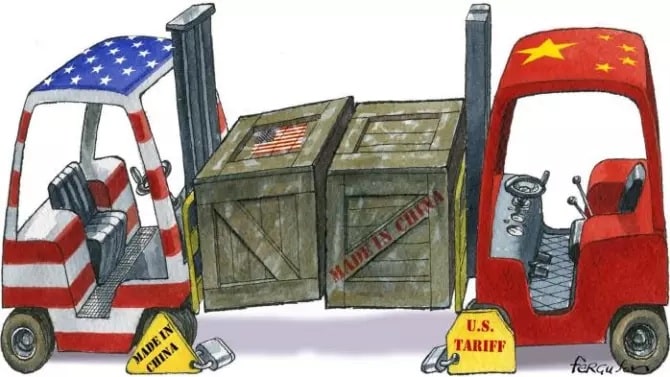
  周二美国总统特朗普公布了美国贸易代表署(USTR)依据301调查拟定的建议对中国产品征收关税的清单。
  此份清单涉及航空航天、信息科技、通信技术、机器人、交通工具和医药等行业,包含约1300个独立关税项目,总价值约500亿美元。建议对清单上中国产品征收额外25%的关税,以弥补美国在科技领域所遭遇的损失。美国计划在5月15日召开针对征税清单的公开听证会,并启动为期2个月的公众评议和咨询期,最后美方将确认最终清单。
  USTR强调,关税旨在回应中方要求美企转让技术和知识产权的政策,这些政策将支持中国在工业领域高新技术获得领先位置,如《中国制造2025》计划。针对美方指控中方窃取知识产权、强制技术转让,中国驻美大使崔天凯表示,美方指控没有依据。商业交易都是你情我愿,中国法律保护知识产权,没有任何法律法规强制外国企业转让技术。如果有企业认为自身知识产权受到侵犯,应该向中方提供切实证据,诉诸中国法律解决,中方愿意提供帮助。
  美国发布清单后,新华社刊发快讯,称美国3日依据“301调查”结果公布拟加征关税的中国商品清单。这一违背国际贸易规则的做法遭到多方反对。
  3月22日,美国总统特朗普正式签署了对中国贸易相关的总统备忘录。备忘录以知识产权为由,依据301调查结果,宣布了三项措施,即对中国对美出口商品大规模征税,税率高达25%,将限制中国企业对美投资并购,并将在世贸组织(WTO)就中方歧视性的技术许可做法提起诉讼。特朗普表示,涉及征税的中国商品规模可达600亿美元,且“这只是个开端”。美国贸易代表莱特希泽在最近一次采访中表示,美国对华加征关税产品的清单公示天数将从30天延长到60天,这就意味着在今年6月份之前不会对中国的相关产品征收关税。
  4月1日,针对美方拒绝就钢铁关税协商,中方出台反制措施。国务院关税税则委员会发布通知,指出为维护我国利益,平衡因美国对进口钢铁和铝产品加征关税(即“232措施”)给我国利益造成的损失,决定对原产于美国的部分进口商品(价值约30亿美元)中止关税减让义务。其中,对原产于美国的水果及制品等120项进口商品中止关税减让义务,在现行适用关税税率基础上加征关税,加征关税税率为15%;对原产于美国的猪肉及制品等8项进口商品中止关税减让义务,在现行适用关税税率基础上加征关税,加征关税税率为25%。受此影响,美国三大股指周一重挫逾2%。
  中国外交部发言人耿爽在4月3日的例行记者会上表示:“美方有清单,中方也会有清单。”
  中国驻美大使崔天凯在回应美“301调查”时则表示,如果美方最终宣布所谓清单,中方将以同样的规模、同样的金额和同样的强度坚决回击。

来源时间:2018/4/4   发布时间:2018/4/4

旧文章ID:15780

Marco Rubio Rally with Nikki Haley in Atlanta

0

作者:Yao Sun  来源:US-China Perception Monitor


On Monday, February 29, Florida Senator Marco Rubio held a rally in Buckhead, Atlanta, Georgia. The rally was right before Super Tuesday, a day when 13 states have their primaries at the same time. To the surprise of many, Nikki Haley, the current Governor of South Carolina, joined him at the Atlanta rally and spoke on his behalf, as Rubio had lost his voice from “working too hard”.

Haley’s 15-minute speech commented on Rubio’s integrity, competence, and his unique visions, different from other candidates, particularly Donald Trump.

Donald Trump was a hot topic during the speeches, with both Rubio and Haley heavily criticizing the Republican Party front runner, who has been building a huge momentum after winning three state primaries in a row: New Hampshire, South Carolina, and Nevada.

The crowd cracked up when Nikki Haley said “Donald Trump is everything I told my kids not to be in kindergarten.” She also made a new buzzword by accident when she said, “we have two presidential candidates who are under investigation: ‘Hillary Trump’. Ops I mean Hillary Clinton and Donald Trump but that actually can be a thing.”

"logo"


On the other hand, Rubio criticized Trump’s campaign team making their “Donald J. Trump” t-shirts in Chinese factories. He decried Trump as a hypocrite, as the New York businessman had advocated hardline China policy, running on the premise of winning better trade relationships with China and protecting American workers at home. Rubio said that this alleged hypocrisy says much about Trump’s personalities and described Trump as two-faced, dishonest, and untrustworthy. In addition, he made a clear statement on his position on bilateral trade with China, saying, “we want Americans doing American jobs.”

Interestingly, Rubio and Haley both ignored Ted Cruz completely, claiming the Republican nomination had become a two man race. Cruz’s name didn’t come up in the rally at all. In reality, Ted Cruz holds second place so far in the Party primaries and Cruz’s home state Texas will vote tomorrow.

The rally lasted longer than planned, as Rubio’s voice magically came back during his speech. Rubio got more and more excited with rounds of the applause from his supporters.

Also, Rubio brushed off the label that he is the “establishment candidate” and claimed that both he and Governor Haley spurned the establishment when they ran as Tea Party choices in 2010. Rubio also appealed to a large crowd of veterans, criticizing President Obama’s policy to cut the military budget, which, according to Rubio “made our country unsafe”.

He even touched on foreign policy, declaring his unwavering support for Israel, “Israel is not another country” and he will make America a true ally for Israel. This earned another round of applause.

The demographics of the supporters at the rally were mostly male, all age range, and mainly Caucasian with few minorities from minority demographics. When being asked why they support Marco Rubio, a local Atlanta woman said, “I believe that Rubio can change and grow the Republican Party.” A student from Georgia Tech, who came to the rally with a few classmates, said Rubio was the candidate in the Republican Party who “has the most presidential manner.”

"Poll"

Georgia Republican Primary Opinion Poll Source: The Huffington Post

By YAO SUN Feb. 29, 2016 on USCNPM


来源时间:2018/4/4   发布时间:2016/2/29

旧文章ID:15765

Video: Marco Rubio Rally in Atlanta, GA

0

作者:Yao Sun  来源:US-China Perception Monitor

Earlier this week we shared an article about Marco Rubio’s rally at the International Buckhead in Atlanta, Georgia a few days before Super Tuesday. Rubio rallied in Georgia with South Carolina Governor Nikki Haley, a popular governor in her own state and among Republicans generally.

The speech put special attention on attacking leading Republican candidate Donald Trump, who was ahead in the polls for the Georgia Republican primary. Below, we have a few clips of the rally.


Marco Rubio ended up taking second place to Donald Trump during the Georgia primary. Trump ended up with 38.8%, Rubio with 24.5%, and Ted Cruz with 23.6%. Cruz was also in Atlanta holding a rally last Saturday (February 27).

However, Rubio claimed solid victories in DeKalb, Fulton, and Clarke counties, the counties with the largest populations in Georgia which contain and surround Atlanta.

Filming by YAO SUN Feb. 29, 2016 on USCNPM

来源时间:2018/4/4   发布时间:2016/3/2

旧文章ID:15764

Is US Admiral Harris Resurrecting the Quadrilateral Security Dialogue?

0

作者:Aaron Walayat  来源:US-China Perception Monitor

Last week, in an article about the Australian defense budget hike, I mentioned, almost irrelevantly, that the Quadrilateral Security Dialogue (QSD) might be making a comeback.

In a recent speech at this year’s Raisina Dialogue in New Delhi, Admiral Harry B. Harris, Jr. Commander of the United States Pacific Command welcomed the notion of quadrilateral dialogue between the United States, Japan, India, and Australia. Although he did not mention the country specifically, many observers have interpreted Harris’s statements as a multilateral way for the United States to try to balance China.

"Harry

Admiral Harry Harris, Jr. Commander of the US Pacific Command

“Last year, India hosted Japan and Australia for its first ever high-level trilateral dialogue in New Delhi,” said Adm. Harris, “Some of the topics discussed were maritime security — including freedom of navigation patrols – and trilateral cooperation in the Indian and Pacific Oceans. An idea to consider is perhaps expanding this tri-lateral to a quadrilateral venue between India-Japan-Australia and the United States. We are all united in supporting the international rules-based order that has kept the peace and is essential to all of us.”

The United States has recently run freedom of navigation operations (FONOPS) in the South China Sea. This includes a late January 2016 operation in which the USS Curtis Wilbur (DDG-54) sailed within twelve nautical miles of the disputed Triton Island. Triton Island, one of the Paracel Islands, has been disputed between China and Vietnam since China seized the island in 1974 from the then South Vietnamese government.

"130815-N-TG831-113

The USS Curtis Wilbur (DDG 54), an Arleigh Burke-class guided-missile destroyer, sailed within 12 nautical miles of a disputed island in late December as part of a freedom of navigation operation.


Mixed messages from Australia

"Former

Former Australian Prime Minister Kevin Rudd (left), pulled Australia out of the Quadrilateral Security Dialogue in order to maintain stronger relations with China.

The QSD was an informal strategic dialogue created by Japanese Prime Minister Shinzo Abe in 2007. However, the QSD met a rough patch under Australian Prime Minister Kevin Rudd, who sought closer ties with China. Many Australian politicians opposed leaving the QSD, including then Leader of the Opposition Tony Abbott.

Under Rudd’s successor, Julia Gillard, Australia sought closer relations with the United States and welcomed United States Marines in Darwin, Australia which overlooks the Lombok Strait and the Timor Sea.

Trilateral relations

While the dialogue never officially resumed after the Rudd ministry, cooperation continued bilaterally and even trilaterally among the four individual countries. In his speech, Adm. Harris mentioned that India, Australia, and Japan held a trilateral dialogue in New Delhi. The dialogue took place on June 8, 2015. David Lang, in a July 9, 2015 article for the Australian Strategic Policy Institute  wrote that the “trilateral cooperation between Australia, Japan and India is intended to support America’s presence in the Asia–Pacific and demonstrate a public commitment to international law, global norms and the established regional order.”

Japan has, in recent years, consistently participated with the United States and India in the annual Malabar naval exercise. The tense relations in the region have not been helped by this trilateral cooperation. This past week when the United States and India announced that they would be holding this year’s exercise off the northern coast of the Philippines in the South China Sea. This is the first time that the exercise will take place in a body of water other than the Indian Ocean, where the exercises usually take place.

"Indian

Indian External Affairs Minister Sushma Swaraj (far right) United States Secretary of States John Kerry (center), and Japanese Foreign Affairs Minister Fumio Kishida, her counterparts John Kerry of USA and Fumio Kishida of Japan at India-Japan-USA Tri-Lateral meeting ,September 29, 2015

However, despite Adm. Harris’s call for closer dialogue between the four countries, and Vice Adm. Joseph Aucoin’s statement that Australian FONOPs operations would be “valuable”, it remains unlikely that the dialogue will lead to joint operations in the South China Sea, particularly from India. India does not have a history of joining joint operations and seeing as China has pursued close relationships with Pakistan and Sri Lanka, India faces the possibility of Chinese retribution of Indian operations in the South China Sea by stationing Chinese military forces in the China-friendly ports of India’s neighbors.

Chinese reception

"Sea"

Adm. Harris’s statements come at an incredibly tense time as the perceived Chinese aggressiveness in the South China Sea have put China add odds with ASEAN neighbors. Adm. Harris’s statements are sure to earn strong criticism from China, as previous attempts of cooperation between the United States, India, Japan, and Australia is immediately interpreted as encirclement of China.

“India, Japan, Australia, the United States and so many other like-minded nations can aspire to operate anywhere on the high seas and airspace above them,” Adm. Harris said.

“The idea of safeguarding freedom of the seas and access to international waters and airspace is not something new for us to ponder – this is a principle based upon the international, rules-based global order that has served this region so well. And for decades, the United States has conducted freedom of navigation patrols – or FONOPs – without incident. No nation should perceive FONOPs as a threat.”

Whether or not strategic dialogue returns under the QSD moniker is an inconsequential matter compared to the larger issue of the relationship of the individual countries with China. The security dialogue, however, is informal and should not by any means be interpreted as a military alliance. More than anything, security cooperation between the four countries would be to declare shared international values including the “freedom of navigation” and the “freedom of the seas.”

While the stated goal of protecting freedom of the seas and navigation in the Indo-Asia-Pacific region was what the Adm. Harris said, Chinese reception of the announcement will be sure to interpret Adm. Harris’s statements as a call for united military muscle to counter China in the region.

By AARON WALAYAT Mar. 4 2016 on USCNPM

来源时间:2018/4/4   发布时间:2017/3/7

旧文章ID:15763

China’s Base in Djibouti: What does it Mean for the Western Indian Ocean?

0

作者:Aaron Walayat  来源:US-China Perception Monitor

On Feb. 29, 2016, China officially announced that it would be building “support facilities” for the People’s Liberation Army Navy (PLAN) in the African country of Djibouti.

“Through friendly consultations between China and Djibouti,” said Ministry of National Derense Spokesman Colonel Wu Qian during a February 25 press conference, “the two sides have reached consensus for China to build support facilities in Djibouti. The facilities will mainly be used for logistical support and personnel recuperation of the Chinese armed forces conducting such missions as maritime escort in the Gulf of Aden and waters off the Somali coast, peacekeeping and humanitarian assistance.”

When asked about the Chinese facility in the African nation Foreign Minister Wang Yi, during a March 8 press conference said the move to build China’s first oversea naval base in the Horn of Africa was “reasonable, logical and compatible with international norms,” saying that the Chinese “are willing to try to build some necessary infrastructure and support facilities in the regions of Chinese interests.”

Chinese interests in the region, according to Wang, involve China taking a larger part in “law enforcement and security cooperation programmes and constructively participate in resolving international and regional issues politically.” He also made sure to mention that China “would not seek hegemony or expand as traditional powers did.”

The choice of location for Djibouti is quite significant, as it provides PLAN with practical ability over the Horn of Africa’s important waters. Djibouti is located along the Bab-el-Mandeh Strait which connects the Red Sea to the Gulf of Aden. The Gulf of Aden goes on into the Arabian Sea and the Indian Ocean. The Red Sea goes on into the Suez Canal and the Mediterranean Sea.

"Location

Location of the Chinese naval facility in Djibouti strategically located between the Red Sea (to the north) and the Gulf of Aden (to the east).

The waters that make up the Horn of Africa, which hosts 20,000 ships every year, millions of tons of crude oil, petroleum products, gas, and dry commodities, provide an incredibly important vein for the lifeblood of international trade. This area is also plagued by pirates from the region, including those from Somalia.

"Piracy

Piracy in the Gulf of Aden and the Horn of Africa

The alternative to using this important water route would be to take the long way, going around Africa below the Cape of Good Hope. This voyage would be longer, involve more operating costs for the ships, and would mean rising prices for goods carried by sea.

This route is particularly important for China. The European Union is China’s largest trading partner. With goods going between China and Europe, it is important for China to make sure that the waterways, which are integral for its trade, remain fluid.

Energy security

In an earlier article, I mentioned the importance of Indonesia’s Malacca and Lombok Straits to China’s energy security. Energy security in the Indian Ocean in the West is just as important as in the East. A look at crude oil imports provides a striking look at the significance of energy interests. In 2014, 51% of Chinese crude oil imports came from the Middle East and an additional 17% came from Africa. The sea lanes that connect China to the Middle East and Africa run through the dangerous waters. Even energy providers in West Africa and Latin America end up passing through the waters either through the Suez Canal or through the trade route that runs around the Cape of Good Hope.

"Chart"

Anti-piracy

Chinese trade and energy security depend on a secure lines of communication that connect China to its trade partners and energy providers. Pirates remain a constant security issue in the Horn of Africa which has led to more cooperation to address the security issues of this important trade route. China has continually pushed for anti-piracy operations in the region, evenjoining NATO for joint naval exercises in the Gulf of Aden in 2015.

Comparisons with the South China Sea

While China’s base on the Horn of Africa is surely meant to protect the maritime lines of communication that run through the important waters, there is also the possibility that the pressure will not only be put on pirates, but also on other state actors who have bases along the waters. Djibouti already hosts bases of the United States, France, and even Japan, who carry out anti-piracy activity around the Horn of Africa.

In a previous article, I described a purely hypothetical situation in which the Malacca and Lombok Straits of Indonesia could be blocked by Singapore and Australia, respectively. Such a situation would be devastating for the Chinese shipping that runs through the straits.

In another situation, should a situation arise where China is cut off from accessing the Gulf of Aden, and by extension, the Suez Canal, the effect on China’s trade and energy would also hurt China immensely.

However, while the straits of Indonesia are closer to China, China could, God forbid, use force to clear the Malacca and Lombok Straits. The Gulf of Aden, on the other hand, would require a long Chinese journey across the Indian Ocean in order to confront any sort of blockage, relying only on friendly ports to aid them on the voyage.

The horrifying situations I have described are unlikely to happen in the present situation. However, it makes sense that China would want an outpost to protect an interest as important and strategic as the Horn of Africa.

"Indian

Indian Ocean region

Maritime interests

As the country already hosts the bases of other countries, the introduction of a Chinese base by the Djibouti government is not only tolerated but “welcomed” by Djibouti President Ismail Omar Guelleh.

“The world’s interests will be best served by a China active within the maritime domain,” writes James Goldrick “a China that has acknowledged its responsibilities to protect global communications and the rules-based order on which it too depends, and a China that prioritises trade flows over the creation of an extended maritime fortress.”

While a Chinese base in Africa is sure to raise eyebrows, it is important for Western observers to keep in mind China’s maritime needs, particularly the importance of secure trade routes.

“The essential requirement to ensure China’s energy security, and the prestige invested in building the Maritime Silk Road argues for China to begin building the means to protect its interests,” writes Malcolm Davis, “The task of ensuring China’s maritime trade and energy security, and countering the risk of a distant blockade is emerging as an important strategic interest that must shape the PLA’s future to a greater degree.”

In other words, China’s actions in the Horn of Africa, much like in South East Asia, are built around securing sea lanes. However, while China’s unilateral approach in the South China Sea has drawn criticism and has created tension in the region, China’s base in Djibouti is seemingly a step toward multilateralism to face the common challenge of piracy.

By AARON WALAYAT Mar. 14, 2016 on USCNPM

来源时间:2018/4/4   发布时间:2016/3/14

旧文章ID:15762

Joseph Mansour—Common Challenges for US-China Relations

0

作者:  来源:US-China Perception Monitor


Carter Center Democracy Program intern Joseph Mansour shares his thoughts on US-China relations, potential challenges for the US and China, and how US-China relations affect his native United Kingdom.

This is the first installment of our series of interviews in which the China Program at the Carter Center is collecting a variety of perspectives on US-China relations. If you are interested in sharing your own thoughts, feel free to communicate with us at carterweb@emory.edu and contribute to the cornucopia of ideas!

Special Thanks to the Education Program

来源时间:2018/4/4   发布时间:2016/3/15

旧文章ID:15761

Ian Pilcher—US-China Relations

0

作者:  来源:US-China Perception Monitor


Carter Center China Program graduate assistant Ian Pilcher shares his thoughts on US-China relations, Chinese politics, and shares some personal experiences in China.

This is the second installment of our series of interviews in which the China Program at the Carter Center is collecting a variety of perspectives on US-China relations. If you are interested in sharing your own thoughts, feel free to shoot a short video (no more than 2 minutes) of your opinion on US-China Relations and share with us at carterweb@emory.edu — you might be featured next!

Special Thanks to the Education Program of The Carter Center for sharing the talents from around the world.


来源时间:2018/4/4   发布时间:2016/3/17

旧文章ID:15760

A String of Pearls: China, India, and the Global Game of Weiqi

0

作者:Aaron Walayat  来源:US-China Perception Monitor

The Chinese game of “weiqi” (known to the West as “go”, its Japanese name) is an ancient game that focuses on encircling the other player. This game is very different from chess (also of Eastern origin) as its view on strategy focuses less on winning specific contests but rather on the right contests in order to win in the big picture.

"1"

“Weiqi” known in the West by it’s Japanese name, “go”

I, like so many other commentators before me, mention this Chinese game in order to draw parallels with global strategy. Encirclement is an oft-used strategy, and today, it plays a role in the Indo-Pacific region (albeit not in an entirely military way). Even if such a strategy is not being implemented, it is certainly being perceived by India as it fears Chinese encirclement through a much debated “String of Pearls.”

In 2005, an internal United States Department of Defense report entitled “Energy Futures in Asia” coined the term “String of Pearls” referring to China’s potential influence in the Indian Ocean region. In past articles, I have noted China’s interest in maintaining its interests along the global maritime lines of communication. The Indian Ocean region has long been an important means of Chinese global trade long before the ancient Chinese admiral Zheng He made his treasure voyages in the 1400s.

The sea lanes of the Indian Ocean, which connect China to Africa, the Middle East, and Europe, are China’s lifeblood, providing the means of Chinese energy and trade security. It is not difficult to find the Chinese interests in the region, and considering the dangers posed by terrorism and piracy, a Chinese role in the region would not be unwelcome.

"2"

The Indian Ocean and the straits of Indonesia are integral for shipping between China and Africa, West Asia, and Europe.

However, China’s fears in the Indian Ocean go beyond piracy and terrorism. According to a 2010 opinion piece on China.org.cn, Shen Dingli advocates for overseas Chinese military bases, arguing that “the real threat to us is not posed by the pirates but by the countries which block our trade route.”

It seems Shen’s concerns have reverberated into 2016 as China has already broken ground building a military facility in Djibouti. The base is situated between the pirate-infested Gulf of Aden and the Red Sea which connects to the Mediterranean Sea and Europe through the Suez Canal. The Djibouti government has welcomed China’s involvement and the country already hosts US, French, and Japanese military facilities.

China has already cooperated with NATO on anti-piracy operations in the Gulf of Aden and the base’s intent is to continue anti-piracy operations in the region. However, it is difficult to forget Shen’s statements about the real dangers faced by China and the need for military bases to prevent other countries to block China’s trade routes. More striking is Chinese Foreign Minister Wang Yi who, after the announcement of the ground-breaking of a Chinese base in Djibouti, hinted at the possibility of more Chinese offshore naval bases. Ankit Panda, writing for The Diplomat, highlights Pakistan, Myanmar, Sri Lanka, the Maldives, and the Seychelles as candidates who could potentially host another Chinese base.

Chinese bases have always been a concern for India, who sees China’s growing involvement in the Indian Ocean as a sort of encirclement. The string of pearls, a maritime encirclement of India, would be problematic for India as it would need to compete with China for its historical stomping grounds and the important maritime lanes that run through the Indian Ocean. Even more alarming for New Delhi is that the encirclement of the string of pearls would cut India off from easy access to Diego Garcia, the US-UK naval base in the Indian Ocean. In recent years, China has undertaken many projects around South Asia, investing in infrastructural projects and undergoing joint defense relationships.

"3"

Chinese President Xi Jinping with Bangladeshi Prime Minister Sheikh Hasina

Bangladesh

China’s military cooperation with Bangladesh left New Delhi wary of Chinese involvement too close to India’s shores. Bangladesh and China have built a strong military relationship, with China as Bangladesh’s largest military equipment supplier. Around 2010, there was talk of Bangladesh’s Chittagong Port being a strategic enclave, one of China’s “pearls”. China invested heavily in Bangladesh, developing the ambitious deep sea Chittagong Port. It also consisted of a motorway that would run from the coast of Bangladesh across Burma into China.

China’s investment into Bangladesh and Burma can be seen as a way to bypass the Malacca Strait which hosts the majority of Chinese shipping. A port in the Indian Ocean would be a strong advantage for China to be able to bypass the Strait which is bordered by Singapore and the Changi Naval Base, which hosts US troops.

Despite growing suspicion from India, in 2015 Bangladesh and India signed an agreement to let Indian cargo vessels use Chittagong port. This move was able to relax Indian fears of the port being one of China’s pearls and opened the door for cooperation between Bangladesh, India, and China through the port.

"4"

Xi Jinping with former Sri Lankan President Mahinda Rajapaksa

Sri Lanka

The relationship between China and Sri Lanka has been particularly drenched in political undertones. Under the presidency of Mahinda Rajapaksa, Sri Lanka sought close relations with China. Rajapaksa welcomed much Chinese investment into the country’s infrastructure projects, including the Hambantota Port in southern Sri Lanka, built alone one of the region’s biggest sea lanes. Another project, the Colombo Port City, which also had heavy investment from China broke ground in 2014.

However, in 2015, Rajapaksa was replaced by Maithripala Sirisena, who won the presidency with a platform critical of Chinese influence in the country.At first glance, Sirisena’s victory was a strong turnaround for the “string of pearls”, however, the Sirisena administration decided to okay the China invested project and construction resumed.

This should not be taken as a surprise, as Sri Lanka “is in no position to turn its back on Chinese investment or alienate Beijing.”

"5"

Xi Jinping with Maldivian President Abdulla Yameen

Maldives

China has invested heavily in infrastructure projects in Maldives. This investment strategy has given China a strong foothold among many Indian Ocean nations. In a September 2014 visit, President Xi Jinping and Maldivian President Abdulla Yameen, agreement on infrastructure projects including housing and road projects, as well as developing the Male airport and the construction of a bridge from Male to Hulhule, the island that holds Male International Airport.

However, in order to quell New Delhi’s fears about the close cooperation between China and the Maldives, President Yameen assured Indian Prime Minister Modi that Maldives has no intention of hosting a Chinese military base. Much like Sri Lanka and Bangladesh, the Maldives want to keep a strong relationship between both China and India without antagonizing one or the other.

"6"

Xi Jinping with Pakistani Prime Minister Nawaz Sharif

Pakistan

Pakistan has had a long history of conflict with its eastern neighbor. Both countries have fought a series of wars with each other which pose major political dangers, as both countries are nuclear powers. In recent years, however, China has seen much potential in Pakistan and has pursued close relations with India’s western neighbor.

In 2015, China and Pakistan marked “their ambitious USD 46 billion economic corridor project with Beijing acquiring over 2,000 acres of land in restive Balochistan to develop the strategic Gwadar port.” From China’s perspective, the Gwadar port is incredibly beneficial as it borders the Arabian Sea. From the Arabian Sea, China would be able to send it shipping through the Gwadar port, through Pakistan and into China as the two countries share a border. Despite the potential of piracy and terrorism, the China-Pakistan Economic Corridor, would be beneficial for securing Chinese shipping from the Middle East, Africa, and Europe without having to use the Malacca Strait.

While Bangladesh, Sri Lanka, and the Maldives have all been sure to assure New Delhi that Beijing, while contributing to infrastructure projects, would not maintain a military presence that would force the respective country to choose between the two, Pakistan is a much more difficult situation as Pakistan could see China as a source of leverage over its eastern neighbor.

More concerning than the trade relationship between China and Pakistan is the military relationship that has taken place between the two countries. China has supplied much of Pakistan’s weapons and has even sold it eight submarines in 2015.

Despite New Delhi’s fears of Chinese encirclement, it seems that only Pakistan poses an existential threat to India. However, this is not so much a product of Chinese influence as it is of historical bad blood.

"7"

Chinese economic cooperation with countries surrounding India can be seen, in the weiqi board analogy, as an encirclement of India.

The weiqi board analogy

From the perspective of a weiqi board, it seems that China’s stones have spread around India, from Southeast Asia to Africa. However, in keeping the analogy, it would seem that India has set a few stones around China as well.

In the great proverbial weiqi board that makes up the Indo-Pacific region, while China has reached out for more influence in the Indian Ocean, India, Japan, and ASEAN have cooperated greatly in a way that also seems to be encircling China.

"8"

However, keeping with the weiqi board analogy, it would seem that the US (with the help of India, Japan, Australia and ASEAN) has been encircling China.

While India has made it clear that it will not be running patrols in the South China Sea, India and Japan have both taken a position on the situation. India has recently expressed much more interest in ASEAN, particularly with Modi’s “Look East” policy. While India has been rhetorically spreading more interest in ASEAN however, the reality leaves much to be desired.

More so than India, Japan has sought very close relations with ASEAN, so much so that the Diplomat’s Koh Swee Lean Collin calls it Japan’s “maritime pivot” to Southeast Asia. Recently, Japan has been much more involved in Southeast Asian infrastructure projects and has also pursued closer defense relations with the Philippines, one of the major parties in the South China Sea dispute.

In an earlier article, I mentioned that the US Admiral Harry Harris, Jr., Commander of the US Pacific Command, may be trying to resurrect the Quadrilateral Security Dialogue. Using the weiqi analogy, it seems much more apparent that rather than an encirclement of India by China, an encirclement of China by the US (and partners) is much more apparent.

Finally, while the string of pearls continues as an important concern in the United States and India, it is important to note that the nuances of China-India relations go beyond just the security aspects. China and India are both members of the BRICS and plan to cooperate through a variety of new international institutions like the Asian Infrastructure Investment Bank and the BRICS-led New Development Bank.

"9"

Xi Jinping with Indian Prime Minister Narendra Modi

Also, China and India have sought close economic relations. While and China’s One Belt, One Road initiative (the maritime part of which is sometimes interpreted as another name for the string of pearls), is not only an attempt to create strong trade relationships between China and India’s neighbors, but with India itself. While a trade deficit between the two still favors China, there is still increasing Chinese investment in India.

Finally, not only are Sino-Indian relations being conducted between Beijing and New Delhi, but between the individual Indian states and Chinese provinces. The leaders of the states and provinces help to create a much stronger and intertwined economic relationship than would exist if only Beijing and New Delhi conducted relations.

Tridivesh Maini reminds us that “neither India nor the United States should look at Sino-Indian relations as a zero-sum game”. While India will continue to be suspicious of the string of pearls, the strategy (if it is one) will not push China and India into immediate conflict. Additionally, New Delhi’s relationship with Washington will not be at the expense of its relationship with Beijing as China and India will likely cooperate to face a multitude of issues. If anything, Narendra Modi’s achievement has been his ability to cooperate with Obama, Xi, and Abe in order to bring the cumulative economic cooperation for the benefit of India.

By AARON WALAYAT Mar. 21, 2016 on USCNPM

来源时间:2018/4/4   发布时间:2016/3/21

旧文章ID:15759

Opinion: Hillary Clinton, the Only Candidate Prepared to Lead

0

作者:Margaret Lu  来源:US-China Perception Monitor

The views expressed in this article belong entirely to the author and do not represent the views of the US-China Perception Monitor or the China Program at The Carter Center. 

I will always remember myself at age six, watching Hillary Clinton’s “women’s rights are human rights” speech, and being absolutely awed by her beauty, courage and natural radiance.  From that day forth, I’ve known nothing more than respect and admiration for the woman who has been living history her entire life and will one day rewrite it.  Almost a year ago, on my fifteenth birthday, Hillary Rodham Clinton announced that she was running to be President.  I have never received a better birthday present in my life.  I knew that electing a woman president to lead one of the world’s greatest superpowers will not only affect America itself but will also impact the international community tremendously.

America’s founding fathers would be dismayed by the citizens who would rather blindly support their favoured party instead of evaluating the individual stances and qualifications of different candidates and selecting the best. The 2016 Republican presidential candidates, with their bombastic slogans and obsolete ideals, can no longer embody the great party that was once represented by Abraham Lincoln and Theodore Roosevelt.  The Democrats, on the other hand, have offered two main contenders who have proven themselves in the past to be effective leaders and will no doubt continue to encapsulate these merits in the future.

However, out of these two candidates, one must take a rational stance and choose the most promising candidate for America’s future.  Mrs. Hillary Clinton is one of the most qualified contenders for the presidency in American history.   A devout public servant, Clinton has served as First Lady, Senator, and most recently, as the 67th United States Secretary of State. Hillary has had extensive political experience and achievements, which contributes to her status as the most qualified candidate in  the 2016 presidential election. She offers American people with achievable policies that would maximize chances of happiness for American (and international) citizens of all classes.    Her stances on women’s rights, gun violence, health care reform, foreign policy, and immigration are all supported by her credibility gained from her lifetime history of advocation in these arenas.

Even with the support of these credentials, it has always been difficult for Hillary to gain popularity, especially amongst today’s youth.  As a millennial child myself, I empathize with the reasons why many young voters may not find Mrs. Clinton to be personable.  Indeed, Mrs. Clinton’s image has been really been associated with benevolence and genuinity.  Why? Because Hillary Rodham Clinton lives in a luxurious home and has longstanding connections to Wall Street and the White House. Mrs. Clinton is the quintessential image of class and success, which has been ironically counter-productive for her campaign.

Hence, it makes perfect sense for students to disregard her rationales and target her as means of expressing anger towards the upper class. Mrs. Clinton’s main rival, Bernie Sanders, has proposed plans that radiates with the freshness of revolutionary thought and are very relatable to us students.  His plans are so appealing that we are inclined to overlook his lack of the indispensable valiancy and experience to achieve these unrealistic policy plans.

Such reasoning is coherently  flawed.  Mrs. Clinton may be a part of the top 1% of privileged American citizens as of current, but like the rest of us middle-classed students, she worked her way up through education and perseverance.  She’s known failure and embraced prejudice in the past, and she’s devoted her entire life to fighting for those of us who still remain in the middle class. And that’s exact what sets her apart from other contenders. Not only her breadth of experience or her effective policy proposals.  It’s her remarkable strength of character.

Naturally, being head of state to the world’s largest national economy comes with tremendous stress and unthinkable challenges.  In the past, we’ve enthusiastically critiqued leaders who have made decisions that led to disastrous results (the Bush Administration comes to mind), yet we’ve never addressed the theory that the reason why some presidents failed was because they weren’t prepared or qualified for the position in the first place.

As much as I admire Sanders and as much as I want him to continue doing amazing work as a political activist, he does not possess the necessary traits of a president. Hillary Clinton is the only candidate with the born boldness, elegant  demeanour, and appropriate aggression for a President. Throughout her legendary life, she has asserted herself to be  America’s champion.  She’s prepared to be President.  We’re prepared to stand with her.

By MARGARET LU Mar. 21, 2016 on USCNPM

来源时间:2018/4/4   发布时间:2016/3/21

旧文章ID:15758

Trump and Clinton’s Solutions for the Middle East

0

作者:Margaret Lu  来源:US-China Perception Monitor

Two of the most appealing advantages of Clinton as president are her established diplomatic relationships with governments all across the globe and her extensive experience working with international relations. Because of Clinton’s image as “an American Iron Lady”, she is usually perceived as stubborn and shrewd.  Contrarily, her diplomacy stances have actually proven her to be more rational than anything else.  In 2008, the United States had inherited international dissent from the Bush Administration.  As Secretary of State, one of Clinton’s primary responsibilities was to focus on America’s foreign policy.  Clinton accepted this role and contributed to U.S. diplomacy through a variety of insightful decisions, many of which are illustrated in her memoir Hard Choices.   During her four years in office, Clinton eased tensions with Europe, supported human rights activity in regions plagued by tyranny and terrorism, as well as made numerous notable foreign appearances and diplomatic visits.

Donald Trump (multi-billionaire and the Republican front runner) may not have had the same background with foreign policy, yet his ideologies are still widely met with favouritism by many American because the policies not only sound simple, but also heightens American status and effectively appeals to patriotism.

One of the more popular discussions for presidential candidates revolves around selecting a correct course of action towards Israel and the Middle East.  The U.S.-Israel relationship has always had a fundamental influence on activity in the Middle East.  During Clinton’s recent address at AIPAC, she not only directly criticized Trump’s stances as being dangerous, but also subtly promised to differentiate herself from the Obama’s status quo through enhancing their alliance.  She foreshadows her potential hard-line position on foreign policy as president through her remark, “some things aren’t negotiable and anyone who doesn’t understand that has no business being our president”…an obvious reference to Trump’s earlier comments implying that everything can be negotiable.  Clinton further establishes her stance through stating that she was prepared to enforce sanctions on Iranians again should they revive their nuclear program.

Terrorism (mainly from the Middle East) continues to be one of the world’s most complicated issues that demand an immediate solution.  With the disbandment of Al Qaeda,  rose the world’s current greatest terrorist group: ISIS.  Using fearful tactics, ISIS continues to violate human rights and impose terror through the false pretense of motivation by the Islamic faith.  Their extensive and effective propaganda extends to the Western world-demonstrated best through their recruitments of Western youth who eventually become sex slaves or child soldiers.  In response to ISIS, Trump offers his naive insight and almost child-like strategies.

“Take back the oil.”  Trump said during his interview with Bill O’Reilly from Fox News.  “Once you go over and take back that oil, they have nothing.  You bomb the hell out of them, and then you encircle it, and then you go in.”

“I would hit them so hard,” the presidential candidate continued.  “I would find you a proper general, I would find the Patton or MacArthur.  I would hit them so hard your head would spin.”

Nevertheless, when asked to expand on these plans, specifically when asked to confirm his intent to send military ground troops into Syria, the GOP front runner refuses to comment with the excuse that he does not wish to inform his “game plan” to the opposing force.

Clinton’s solution for ISIS seems far more credible and realistic given her previous experience fighting terrorism in the Obama Administration.   Clinton is firmly against sending American troops into the conflict zone, since previous wars in Iraq and Afghanistan confirmed that to be a counter-productive decision.  Clinton favours resolving ISIS with military troops already present in the area, most specifically, the Sunni tribes.  According to her plans, such efforts would be aided by additional intelligence units, sustained pressure on the Baghdad government, as well as maintaining focus that may be strayed by the Syrian Civil War.  Clinton asserts that this combined approach will not only choke off ISIS supply lines but will also provide leverage in diplomatic relations.

“Let me be sort of a neutral guy, let’s see what—I’m going to give it a shot,” Trump said during an MSNBC town hall, when addressing his plans for the Middle East. “It would be so great.”

Clinton’s response?  “Let us never be neutral or silent in the face of bigotry.  Let’s defend the shared values that already make America and Israel great.”

By MARGARET LU Mar. 23, 2016 on USCNPM

来源时间:2018/4/4   发布时间:2016/3/23

旧文章ID:15757