Home Blog Page 1617

南海仲裁结果的影响

0

作者:Joseph Chinyong Liow  来源:中美印象


    期待已久的仲裁结果终于出来了,结果完全支持菲律宾,对中国的南海主张非常不利。这个结果地南海争端的相关方都有什么影响呢?对菲律宾来说,这对新上任的总统来说,可能是个挑战,新任总统想要减缓在南海与中国的冲突,愿意与中国进行双边谈判、进行共同开发,但是仲裁结果完全有利于菲律宾,如何说服国内的民族主义情绪是其缓和能否实现的关键。


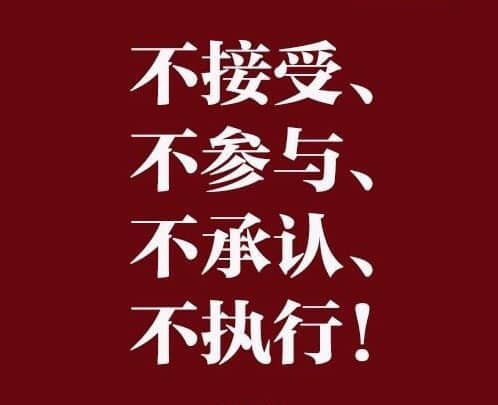
    由于中国的主张完全被仲裁法庭敌视了,中国在坚持“不接受、不参与、不承认、不执行”原则的同时,对仲裁法庭的敌视也在上升,国内阴谋论盛行。中国的态度可能会更加强硬,但是其应该加强与其他国家的对话,因为后者才能提供和平解决争端的可能。

    对于东盟来说,其成员能否对仲裁结果形成一个共识是其能否发挥作用的关键。

    对于美国来说,其将南海的航行自由等视为自己的国家利益,这一政策在南海还能否可行存在挑战。首先,南海区域的国家都不想把南海争端视为其日程的第一位,如何扩展美国的南海政策,关注美国的东南亚政策的发展,是美国未来面对的挑战之一。其次,为了回击中国的强硬行为,美国必须谨慎地避免南海军事化。最后,美国加强了与南海地区其他国家的关系,比如越南和菲律宾等,但是美国必须清晰地进行分析,这种关系的加强到底是否有利于美国的国家利益增长?

    What does the South China Sea ruling mean, and what’s next?

    The much-awaited rulings of the Permanent Court of Arbitration in The Hague—in response to the Philippines’ 2013 submission over the maritime entitlements and status of features encompassed in China’s expansive South China Sea claims—were released this morning. Taken together, the rulings were clear, crisp, comprehensive, and nothing short of a categorical rejection of Chinese claims.

    Among other things, the court ruled China’s nine-dash line claim to the South China Sea invalid because of Beijing’s earlier ratification of the United Nations Convention on the Law of the Sea (UNCLOS). In a move that surprised many observers, the court also ventured a ruling on the status of every feature in the Spratly Islands, clarifying that none of them were islands and hence do not generate an exclusive economic zone (EEZ). Significantly, it ruled that Mischief Reef, which China has occupied since 1995, and Second Thomas Shoal, where China has blockaded Philippine marines garrisoned on an old vessel that was deliberately run aground there, to be within the EEZ of the Philippines.

    In the neighborhood

    Now that the rulings have been made, what are the implications and way forward for concerned states?

    For the Philippines, the legal victory presents a paradoxical challenge for the new government. Prior to the ruling, newly-elected President Rodrigo Duterte indicated on several occasions that he was prepared to depart from his predecessor’s more hardline position on the South China Sea to engage Beijing in dialogue and possibly even joint development. He even hinted that he would tone down Manila’s claim in exchange for infrastructure investment. Given that the ruling decisively turns things in Manila’s favor, it remains to be seen whether the populist Duterte administration would be able to sell the idea of joint development of what are effectively Philippine resources without risking a popular backlash. This will be difficult but not necessarily impossible, given that the Philippines would likely still require logistical and infrastructural support of some form or other for such development projects.

    Since the submission of the Philippine case in 2013, China has taken the position of “no recognition, no participation, no acceptance, and no execution,” as described by Chinese professor Shen Dingli. Beijing continues to adhere to this position, and is likely to dig in its heels given the comprehensive nature of the court’s rejection of China’s claims. This, in turn, will feed the conspiracy theories swirling around Beijing that the court is nothing but a conspiracy against China.
 
    Not surprisingly, in defiance of the ruling, China continues to insist on straight baselines and EEZs in the Spratlys. Away from the glare of the media however, the rulings are likely to occasion intense internal discussions and debates within the Chinese leadership as to how best to proceed. Many analysts have the not-unfounded concern that hawkish perspectives will prevail in this debate, at least in the short term—fed by the deep sensibilities to issues of security and sovereignty, and a (misplaced) sense of injustice. This would doubtless put regional stability at risk. Instead, China should do its part to bring the Code of Conduct it has been discussing with ASEAN to a conclusion as a demonstration of its commitment to regional order and stability, and the peaceful settlement of disputes. Beijing should also continue to engage concerned states in dialogue, but these dialogues cannot be conducted on the premise of Chinese “unalienable ownership” of and “legitimate entitlements” in the South China Sea.

    ASEAN will be hosting several ministerial meetings later this month, and the ruling will doubtless be raised in some form or other, certainly in closed-door discussions. For ASEAN, the key question is whether the organization can and will cobble together a coherent, consensus position in response to the ruling, and how substantive the response will be (they should at least make mention of the importance of international law to which all ASEAN states subscribe). For now though, it is too early to tell.

    U.S. policy

    As an Asia-Pacific country, the United States has set great stock in the principle of freedom of navigation, and has articulated this as a national interest with regards to the South China Sea. There are however, three challenges for the United States as it proceeds to refine its policy in the region:

    1 First, going by the attention it has commanded in Washington, it appears that the South China Sea issue has already become the definitive point of reference of America’s Southeast Asia policy. Southeast Asian states, on the other hand, have expressed their desire precisely that the South China Sea issue should not overshadow or dominate the regional agenda. Hence, even as the United States continues to be present and engaged on South China Sea issues in the region, equal attention, if not more, should be afforded to broaden the scope of their engagement.

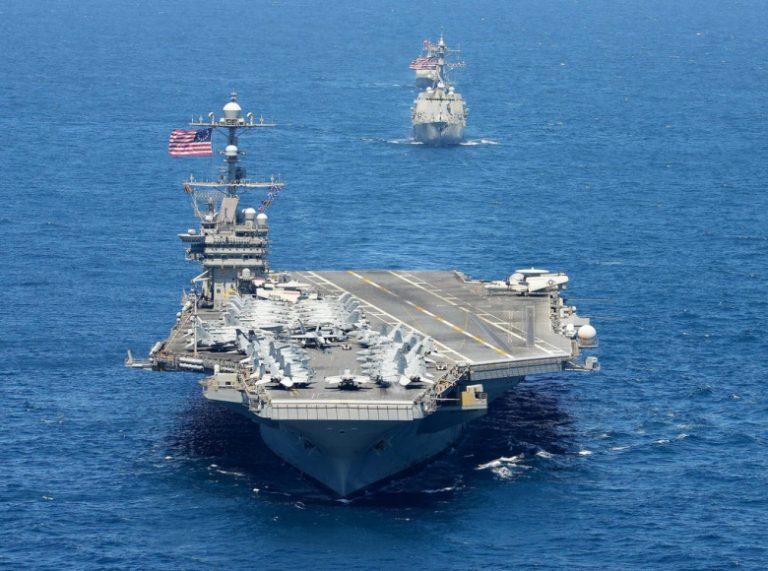
    2 Second, in pushing back Chinese assertiveness in the South China Sea, the United States must be careful not to inadvertently contribute to the militarization of the region. There is talk about the deployment of a second carrier group to the region, and the U.S.S. John C. Stennis and U.S.S. Ronald Reagan are already patrolling the Philippine Sea. On the one hand, this is presumed to enhance the deterrent effect of the American presence in the region. Yet on the other hand, Washington should be mindful of the fact that China’s South China Sea claim is also informed by a deep sense of vulnerability, especially to the military activities that the United States conducts in its vicinity.

    3 Finally, in its desire to reassure the region, the United States has sought to strengthen its relations with regional partners and allies. This is necessary, and it is welcomed. At the same time however, Washington should also ensure that this strengthening and deepening of relations is undergirded by an alignment of interests and shared outlooks. This cannot, and should not, be assumed.

    link: http://www.brookings.edu/blogs/order-from-chaos/posts/2016/07/12-south-china-sea-adjudication-liow

来源时间:2016/7/13   发布时间:2016/7/13

旧文章ID:10836

重估美国的南海政策

0

作者:Posted by T. Greer  来源:中美印象

    中国在南海的利益是明显的,众所周知的,然而,相隔十万八千里,美国为什么要介入南海争端?美国在南海有哪些利益?随着,南海局势的紧张,美国海军军事学院副教授、中国安全政策问题专家哥德斯泰恩博士(Dr. Lyle Goldstein)亚太安全研究中心国际安全问题、越南问题专家亚历山大·伍文(Alexander Vuving)就美国在南海利益的本质进行了辩论。哥德斯泰恩博士认为,南海不是美国的重要利益所在,美国不应该过分介入南海争端中,这挑战了以伍文博士为代表的美国对中国的传统观点——中美之间关于南太平洋的霸权竞争是真实存在的,南海问题只是这种竞争的一个表现点而已。

    Should America Give a Whit About the South China Sea?

    Posted by T. Greer

    A worthwhile debate between Lyle Goldstein and Alexander Vuving has been playing out on the pages of the National Interest this month. It started with a short essay by Goldstein titled "The South China Showdown: 5 Dangerous Myths." This was met in rejoinder by Vuving’s slightly longer piece, "Think Again: Myths and Myopia about the South China Sea." [1] As general rule, I try to ignore anything published on the internet in listicle format, but I am glad I made an exception for Goldstein’s article. The merit of his essay lies less in the strength of its thesis than the mere fact his thesis was published at all. Goldstein, a professor at the U.S. Naval War College, is an enemy to all established wisdom on the U.S.-Chinese relations. His essay is an attempt to subvert the assumptions that guide American thinking on the South China Sea. Vuving, for his part, defends the establishment view as essentially true, albeit lacking in nuance. Reading through both of their arguments is worth your time.

    I’ll focus here on their most important point of dispute: the nature of America’s interests in the South China Sea. I am consistently amazed at how little this is discussed in American circles. The republic’s interests in the territorial squabbles of the region are assumed, not argued over. How Chinese machinations in the sea should be stopped is often debated–why America should bother with the stopping never is. This is unconscionable. China’s pressing interests in the South China Sea are natural and obvious. Those of the United States, a country an ocean away, are remarkably less so. The failure of American statesmen to articulate a convincing explanation for U.S. involvement in these disputes lies at the root of both Chinese mistrust of American intentions and the fears of American allies that Washington is not truly committed to their security. Above all else, American citizens and servicemen deserve an explanation for why they should care about a few god-forsaken atolls thousands of miles from their home.

    I am thus quite grateful that Goldstein forces this conversation upon us. He does so by arguing that Americans really shouldn’t care about the islands after all:

    The notion persists that U.S. national interests amount simply to the aggregate of interests of all allies and partners. Thus, as Beijing has often complained, Washington’s eagerness to please and to allay all concerns has created perverse incentives for allies and partners to press for maximalist positions within various disputes with the hope that Uncle Sam will have their backs if push comes to shove. In a risk/reward matrix, some Philippine nationalists could come to the seemingly far-fetched conclusion that it is really worth it for Manila to risk World War III in order to secure drilling rights on Reed Bank. The Philippines would likely suffer enormously in such a conflict, of course, and very few Americans would try to make a similar case. Indeed, the example shows how Philippine and American interests could logically go in quite separate directions. One might even say that Manila enters a zone of serious moral hazard in hoping that Washington would take such risks for the sake of just another oil patch. It turns out the major diplomatic error has been to give The Philippines the wrong-headed idea that the U.S. would actually entertain such grave risks. Alternatively, the alliance could be much strengthened if it remained grounded within the scope of common sense.  That is to say that the U.S. defense commitment to the Philippines should be defensive in orientation and cover the main islands, including Palawan, Luzon, etc, but no ill-defined and unexplored “grey zone” claims. Why the U.S. should entertain any conflict, let alone major hostilities, with China over  maritime disputes with U.S. “partner” Vietnam is completely mystifying. 

    He continues:

    One of the most common, but silliest ideas floating about on the South China Sea is that the area’s economic dynamism implies that the U.S. must maintain unchallenged military supremacy in these waters. Taken to a bizarre extreme, this logic even claims that the entire global trading system (the “rule-based order”) is under grave threat from Chinese actions in the South China Sea.  In short, stand up to China or watch the global economy come crashing down. Good luck finding a credentialed economist or even a Wall Street analyst, who would agree with this assessment. What makes this line of argumentation so specious, of course, is that China has been the major driver for this region’s extraordinary economic dynamism. The argument that maritime trade (and with it the global economy) will crash if China gains additional strategic influence in the South China Sea is, at best, a 19th century anachronism in our collective discourse. At worst, it is simply foolish drivel that makes for fine-sounding political rhetoric. Washington would be better served taking a page from Beijing’s playbook and attempting to turn its own backyard into a dynamic force in the global economy. The U.S.-Cuba rapprochement is a hopeful start towards such a project. 

    The bolded emphasis is my own. I’ve also taken the liberty to bold the best sections of Alexander Vuving’s response:

    The risk of a direct conflict between Washington and Beijing exists even without U.S. support for its allies and partners in the region. The territorial dispute in the South China Sea represents just the tip of the iceberg; buried under the surface is a more strategic competition for supremacy in the Western Pacific. China and the United States are the two major contestants in this competition, though other nations including Japan, the Philippines, Vietnam and India also have significant roles to play.

    Having no permanent presence in the South China Sea and with a home base far away, the United States has to rely on Vietnam, the Philippines and to a lesser extent Malaysia to keep the regional balance of power from tilting too far in favor of China. In this regard, American and Southeast Asian interests are complementary rather than conflicting. Helping allies and partners is also an economic way to serve U.S. interests in the region. The real question here is not whether, but how America should support its allies and partners in the South China Sea. There are multiple options to consider in addressing this question, and a direct Sino-American conflict is a risk to prevent, not a logical consequence of U.S. support for allies and partners in conflict with China.

    But why must the United States compete for supremacy in the Western Pacific? The near-standard answer is that America has a national interest in freedom of navigation and U.S. military supremacy in these waters is the best guarantee for that. I think this answer has flaws, but not for the reasons offered by Goldstein. First, although the United States has an important interest in the South China Sea, freedom of navigation is not the best term for this interest. Second, there is another reason for the United States to compete for supremacy in the Western Pacific. Let me explain.

    The term “freedom of navigation” is a bad choice of words. Its meaning varies according to the legal position or the national perspective you take. What is at stake here is not so much freedom of navigation as an actual situation, but the right of free access to the waters and skies in this crowded area. There is a crucial difference between Chinese and U.S. commitments to “freedom of navigation” in the South China Sea. This difference stems from the fundamental fact that while the United States upholds the notion of the global commons, China cherishes the idea of the “nine-dash line.” With this idea, Beijing considers the domain indicated by the “nine-dash line” as something like a sovereign realm it has lost to others and it is entitled to get back. China and the United States may share the same view when it comes to nautical freedom in most maritime areas on earth, but the South China Sea is a special case because of the “nine-dash line.” While Washington acknowledges the right of everyone, even its enemies, to freely access the waters and skies in this region, Beijing reserves the right to itself. When China says it guarantees freedom of navigation in the South China Sea, the tacit understanding is that as a benevolent power, it opens its gates to everybody, but others must respect its sovereignty.

    China is far from being able to control all the “gates” along the “nine-dash line,” and even if it can do so, it will not close these “gates.” After all, China has an enormous vested interest in keeping the flow of commerce through the South China Sea unimpeded. The threat posed by China to freedom of navigation and overflight in this area affects the normative basis of this freedom more than the practical situation. If the Chinese Navy becomes the custodian of nautical freedom in these waters, most vessels, most of the time, can still sail through them unhindered, but that is not because nations enjoy the objective right of free access, but because they enjoy China’s subjective benevolence, which at times can be selective and arbitrary. This subtle detail may not be important for insurance and shipping companies, but it will have far-reaching consequences for world politics. It means that in the regional order underwritten by China international law must yield to Chinese policy.

    Even if China will behave the same as the United States does, Chinese supremacy in the East and South China Seas will still pose a grave threat to U.S. leadership in the region. The concentration in this domain of Asia’s chief arteries means that, to paraphrase Harold Mackinder, he who controls the East and South China Seas, dominates Asia; and with the rise of Asia, he who dominates this region, commands the world. For seventy years since the last days of World War II, U.S. naval supremacy in the Western Pacific has enabled Washington to play a leadership role in Asia. For its part, China has increasingly exhibited the conviction that its road to Asian primacy also runs through supremacy in these waters. 

    The debate is worth reading in full. Vuving’s distinction between American and Chinese conceptions of "freedom of navigation," in particular, should be remembered in all of discussions of Chinese claims in both the South and the East China Seas. But in some ways the terms of this debate were painfully limited. Like most editorials and policy memos written on the South China Sea, the essays in this debate dissect American policy in the South China Sea without reference to the larger context in which American policy is made.

    The South China Sea is not the only crisis zone on Washington’s radar. For every opinion piece urging Washington to take the South China Sea more seriously, there is one lamenting the failure of American resolve in Afghanistan, another exhorting the United States to show greater commitment to our allies in Eastern Europe, and two more pushing for a larger American role in the fight against ISIS. The United States needs to shore up its prestige just about everywhere.

    This is not possible. We live in a sequester era. Americans are sick of foreign entanglements, Congress is a dysfunctional mess, and budget cuts are sweeping across the services. The United States simply cannot be everything to everyone. We have to choose what battles are most important to win–and by extension, what battles can be lost and forgotten. The question is not "are the territorial disputes in the South China Sea vital to American interests?" but "are the territorial disputes in the South China Sea more vital to American interests than what is happening in Syria, Ukraine, North Korea, and other crisis zones across the globe?" 

    Americans are always uncomfortable when I state the problem this way, but this is a reality we have to face.  To strategize is to prioritize. To argue for active American involvement in the South China Sea is to argue that other regions, problems, and commitments should receive less attention from Washington. Those who want the United States to step up in the South China Sea must recognize that this means stepping down somewhere else. It is far past time for those who argue thus to justify why the South China Sea should take priority over America’s other commitments.

    link: http://scholars-stage.blogspot.tw/2015/10/why-should-america-give-whit-about.html

来源时间:2016/7/13   发布时间:2016/7/13

旧文章ID:10835

中国并不想加入美国主导的世界秩序

0

作者:Posted by T. Greer  来源:中美印象

   
   联合南海周边国家——菲律宾和越南等,美国正在从南海争端的幕后走向台前。美国认为,中国要么选择遵守国际规则,按照联合国海洋法公约约束其南海行为,要么无视这些国际规范,按照自己的想法为所欲为,自我孤立。美国好像给了中国一个选择,然而事实是,中国早已经做出了选择,在共产党政权的治理下,中国从来没有任何加入西方国际秩序的打算,中国将之视为邪恶的,不公平的,不利于自身发展的。美国的问题不是等中国做出选择,而是如何与早已做出选择的中国相处,如何与一个崛起的并非自由主义的大国相处,承认且认同中国与其有着不同的价值观。美国应该如何做仍然是未知的,需要更为细致的讨论和研究。

    China Does Not Want Your Rules Based Order

    Posted by T. Greer

    While the sun and moon endure
    Luck’s a chance, but trouble’s sure,
    I’d face it as a wise man would,
    And train for ill and not for good.
    —A.E. Housman, "Terence This is Stupid Stuff," (1896)

    The words of Senator John McCain, chairman of the Senate Armed Services Committee, delivered on the 3rd of June to the assembled leaders and representatives of the Southeast Asian nations then gathered in Singapore:

    The choice for Southeast Asia in the 21st century is not between the United States and China, as some would make it out to be. Instead it is a choice between two futures—one in which the rules-based order is upheld and its benefits expanded to ever more people in Asia, or a darker future that resembles the past in this region and the world, where might makes right, and bullies set the rules and break them.

    The rules-based order has not and will not enforce itself here in Southeast Asia. Nor can America, despite its great power, achieve this feat alone. It requires its stakeholders, including the nations of Southeast Asia, to uphold its principles, especially when they are challenged. America and the world are counting on the nations of Southeast Asia to recommit their power and resolve to upholding this system on which our shared security and prosperity depend.

       Like Southeast Asia, China also faces a choice. No nation has benefited more from the rules-based order than China. In just a single generation, China has become an economic superpower and a major player in international affairs. No nation in history has risen so high, so fast, and in so many different dimensions. And no nation has been a greater advocate for China’s success than America. Let me repeat: No nation has done as much to contribute to what China calls its “peaceful rise” as the United States of America.

       Regrettably, in recent years, there have been disturbing signs that China is maneuvering toward a policy of intimidation and coercion—harassing fisherman from the Philippines, Vietnam, Indonesia, and Malaysia; using trade as a weapon in disputes with its neighbors; using cyber to steal intellectual property from foreign businesses to benefit its own industries; conducting dangerous intercepts of military aircraft flying in accordance with international law; and in the South China Sea, shattering the commitments it made to its neighbors in the 2002 Declaration of Conduct, as well as more recent commitments to the U.S. government, by conducting reclamation on disputed features and militarizing the South China Sea at a startling and destabilizing rate.

    The choice for China is how it uses its growing power and position. China could continue to coerce and intimidate its neighbors and unilaterally enforce its territorial claims. It could pursue mercantilist economic policies. And it could engage in a zero-sum game for regional power and influence. China could do all of this, and it would harm the interests of every nation in this region, including its own.

    Alternatively, China could choose a better path. It could cooperate with its neighbors and manage disputes peacefully, consistent with the same international rules that have benefited China so greatly. It could expand free and open trade with the region and the world. And it could expand cooperation with other Pacific powers on regional security challenges, from piracy to stability on the Korean Peninsula.

       In short, China can choose to disrupt the rules-based order. Or it can choose to become a vital partner in maintaining it. I fear the consequences if China chooses the path of disruption. But I am confident that if China chooses the path of partnership and cooperation, China’s growing influence will be welcomed by the international community. And the benefits of greater security and prosperity will extend to more citizens of this region than ever before, China’s included. 

    McCain’s words echo those spoken by Secretary of Defense Ash Carter last week to the graduating midshipman at Annapolis. Read them both. Compare what they say. Behold the quickly crystallizing American narrative on China. This is a bipartisan message. It will be the starting point of a President Clinton’s policy. Whether a President Trump will endorse it is hard to say. In either case, it is a narrative whose momentum is building.

    There is much that is good in this narrative. McCain proclaims that "no nation has done as much to contribute to what China calls its “peaceful rise” as the United States of America." He is right to do so. No nation has done more to enable China’s rise than America has. No country’s citizens have done more for the general prosperity of the Chinese people than the Americans have. This is true in ways that are not widely known or immediately obvious. For example, the role American financiers and investment banks played in creating the architecture of modern Chinese financial markets and corporate structures is little realized, despite the size and importance of their interventions. Behind every great titan of Chinese industry–China Mobile, the world’s largest mobile phone operator, China State Construction Engineering, whose IPO was valued at $7.3 billion, PetroChina, the most profitable company in Asia (well, before last year), to name a few of hundreds–lies an American investment banker. I do not exaggerate when I say Goldman Sachs created modern China. [2] China has much to thank America for.

    However, I cannot endorse all that is included in this emerging narrative, for part of it is deeply flawed. The flaw may be by design; if the purpose is to stir cold hearts and gain moral admiration of others, such flaws can be excused–that is how politics works. But this sort of things can only be excused if those delivering the speeches do not take the implications of their own words seriously when it is time to make policy.

    I speak of  China’s "choice." The thread that runs through all of these talks is that the Chinese have yet to choose whether they aim for order or disruption, the existing regime or the chaos beyond it. The truth is that the Chinese have already chosen their path and no number of speeches on our part will convince them to abandon it. They do not want our rules based order. They have rejected it. They will continue to reject it unless compelled by overwhelming crisis to sleep on sticks and swallow gall and accept the rules we force upon them.

    China has made its choice. The real decision that will determine the contours of the 21st century will not be made in Beijing, but in Washington.

    Observers of Chinese affairs have come to recognize two uncomfortable truths. The first is that China is a growing power whose might will continue to grow in every dimension we can measure for decades. The second is that the Chinese system of government is a fundamentally illiberal one, and the system of international relations the leaders of this system prefer reflects their illiberalism. These two things are not determined in the stars; either may change, and may change quite suddenly. But Americans will be better served if we plan as if both of these truths will remain true to the end of our lives.

    This is not what we have been doing. For the most part Americans were able to accommodate themselves to the first of these realities by pretending that the second was not true. China could become more powerful, we said, because it will not be illiberal for long. After all, on this Earth the arc of history bends towards justice. Those on the ‘wrong side’ of history do not last long. How can the illiberal hope to endure?

    Last spring it finally sunk in. Chinese illiberalism not only can endure, it is enduring. The old consensus cracked apart. No new consensus on how to deal with China has yet formed to take its place.

    But old habits die hard. We see this at the highest levels of policy, as in the McCain speech, where American policy is justified in terms of giving China a chance to choose the right. The same spirit is invoked further down the line. Ash Carter, for example, recently described American tactics in the South China Sea as a "long campaign of firmness, and gentle but strong pushback… [until] The internal logic of China and its society will eventually dictate a change." [3] In other words, American policy is a holding action until the Chinese see the light.

    What if they never do?

    The Chinese believe that our international order is a rigged system set up by the imperial victors of the last round of bloodshed to perpetuate the power of its winners. They use the system, quite cynically, but at its base they find it and its symbols hypocritical, embarrassing, outrageous, and (according to the most strident among them), evil. In their minds it is a system of lies and half-truths. In some cases they have a point. Most of their actions in the East or South China Seas are designed to show just how large a gap exists between the grim realities of great power politics and soaring rhetoric Americans use to describe our role in the region. Murphy Taggart describes how the Chinese were able to exploit tensions over the Senkakus to manipulate the Japan and America’s relations:

    Beijing saw what happened in the wake of Ozawa’s comments to Hillary Clinton on her February 2009 visit to Japan, not to mention the coincidence of the ersatz “investigation” into Ozawa’s finances that destroyed his chances of becoming prime minister. Chinese leaders noted the spasms of hysteria that shook the American foreign policy establishment after Ozawa led his 600-person delegation to their country. They understood how the Hatoyama administration had been deliberately sabotaged by a de facto alliance of Pentagon functionaries, the establishment press in Japan, and Japanese spokesmen in the United States committing what amounted to treason against their own government. And they decided to call Tokyo’s— and Washington’s— bluff. [4]

    Another example was the crisis started when Beijing moved the oil rig HYSY981 into Vietnamese waters:

    “The deployment of the CNOOC mega rig was a pre-planned response to President Barack Obama’s recent visit to East Asia. China was angered by Obama’s support for both Japan and the Philippines in their territorial disputes with Beijing. Therefore China manufactured the oil rig crisis to demonstrate to regional states that the United States was a “paper tiger” and there was a gap between Obama’s rhetoric and ability to act.”

    President Obama’s tour, which ended shortly before the whole HYSY-981 fiasco began, brought the President to Kuala Lumpur, Manila, Tokyo, and Seoul. One wonders if it was wise to exclude Beijing from this list—particularly seeing as the President’s agenda included signing a ten year military pact with the Philippines, declaring that the Senkaku/Diaoyu islands are under U.S. military protection, and cajoling South Korean and Malaysian government officials and corporate bigwigs into joining the Trans Pacific Partnership. From the Chinese perspective it is hard to look at this trip as anything but a hostile attempt to draw tight the noose and solidify a regional alliance to contain it.

    Prompting a crisis was an adroit way to show that the PRC cannot be contained. Washington will not crusade against Moscow and Beijing at the same time. Beijing has forced the Americans to choose between the two. To the chagrin of our Asian allies, Washington’s priorities are not those proclaimed in the President’s speeches last month. ASEAN’s inability to stand as a united front against China’s actions is icing on the cake. Reports from the ASEAN negotiations have been more muted than the last time China was able to sow disunion in ASEAN’s ranks, but it is a safe guess that Chinese diplomats were able to pull many of the same strings they did in 2012. One suspects that China specifically timed the crises to display ASEAN’s disunity, showing the region’s middle tier powers that attempts to use ASEAN to stifle China’s ambitions are nothing but a pipe dream. [5]

    A similar story can be told for numberless Chinese diplomatic and military initiatives, from 2012’s failed ASEAN summit to the seizure of Scarborough Shoal. This is what the Chinese do. I am convinced that the Chinese are so adept at doing this—finding the places where one small push is all that is needed to display American impotence or indifference—because they are trained from the beginning to see the entire edifice as a lie, and thus are aware in a way most Americans are not of the gap between the way we talk about our alliance system and the way Asians experience it.

    Wedded to this cynical vision of the current arrangements is an equally cynical take on the history of America’s imposed order. Beijing is well aware that if it decided to do to Tonga now what the United States did to Hawaii more than a century ago it would mean war. At the time the United States suffered nothing of the sort. Not that American wars were without their own rewards—the Americans claim island bases like Guam and Saipan as prizes won through conquest. China is not allowed to conquer its own prizes. It cannot fight wars to give its forces a new ports and bases; it is not even allowed build little artificial islands for the purpose.

    Never mind that all of that strikes the Chinese’s ire happened generations ago. Anything this side of the Taiping is modern history for the Chinese. American attempts to deny that, to claim that the world should work differently now than it did when the American star first began to rise, simply prove that morality and sweet sounding words like ‘international norms’ are for the winners. All of that talk about being a responsible stakeholder is just a nicer way to say we plan on kicking down the ladder now that we have finished climbing up it.

    In simpler terms, the Chinese equate “rising within a rules based order” with “halting China’s rise to power.” To live by Washington’s rules is to live under its power, and the Chinese have been telling themselves for three decades now that—after two centuries of hardship—they will not live by the dictates of outsiders ever again.

    The Chinese will never choose our rules based order. That does not necessarily mean they want to dethrone America and throw down all that she has built. The Chinese do not have global ambitions. What they want is a seat at the table—and they want this seat to be recognized, not earned. That’s the gist of it. Beijing is not willing to accept an order it did not have a hand in creating. Thus all that G-2 talk we heard a few years back. The Chinese would love to found a new order balancing their honor and their interests with the Americans. It is a flattering idea. What they do not want is for the Americans to give them a list of hoops to jump through to gain entry into some pre-determined good-boys club. They feel like their power, wealth, and heritage should be more than enough to qualify for  automatic entrance to any club.

    The decision then, lies not with them, but with us. An illiberal China is rising. No matter how nuanced our negotiation or how righteous our indignation, the Chinese will always feel that any attempt to get them to play by rules they did not have a hand in making is 1) morally wrong and 2) damaging to the Party’s domestic power. They are interested in making a new order for the 21st century. In this the Chinese of today are not too different from the Americans of yesteryear. We forget that sometimes. There was once an era where Americans were the ones demanding that the shape of the world change to better match their values and interests.

    The question before us then is whether we can compromise with the Chinese on this, and if so where those compromises can be made. What form that compromise might take—spheres of interest are the classical model here, though others exist—is still up for discussion. If this is our path then these discussions must be had with fierce urgency.

    The alternative to compromise is containment. If we decide that any compromise with illiberal China would poison the international order beyond repair then we must move swiftly to contain China before its power grows further still. Our aim will not only be to restrain but also to reduce Chinese power when and where we can. This too will require spirited discussion, for containment is fraught with danger. We must ponder long and hard how we might go about limiting Chinese power without making the Party’s domestic position so vulnerable that they see no alternative but war before them.

    Both paths before us require careful thought and vigorous debate if we hope to traverse them safely. These discussions are not happening. As long as we cling to the illusion that China has not made her choice they will not happen. The fruits of this foolishness are not hard to see: we do not contain yet we refuse to compromise, suffering the costs of both choices while reaping the benefits of neither.[6] The hope that the Chinese will admit their wrongs and ask to join our rules-based club is a mirage. It must be given up. We hold to it only because we fear the responsibility the truth would force upon us.  The Chinese have made their choice. The ball is in our court now.

    原文链接:http://scholars-stage.blogspot.tw/2016/06/china-does-not-want-your-rules-based.html

来源时间:2016/7/13   发布时间:2016/7/13

旧文章ID:10834

中美加大南中国海角力

0

作者:迪米 , 杰夫•代尔,米强  来源:FT中文网

  今年3月,美国总统巴拉克•奥巴马(Barack Obama)曾就南中国海问题向中国国家主席习近平发出强烈警告,告诫这位中国领导人若中国在斯卡伯勒浅滩(Scarborough Shoal,中国称黄岩岛)填海造岛,将导致严重后果。斯卡伯勒浅滩是亚洲最危险的“导火索”之一。

  根据现任和前任官员的说法,奥巴马那次增加对习近平的压力之前,美国情报部门断定中国准备在斯卡伯勒浅滩填海造岛。2012年,中国和菲律宾的船只曾在该浅滩陷入高风险的对峙。

  在华盛顿会晤后,中国从该地区撤回了船只。对于白宫的那次胜利,部分官员认为,它证明采取比之前三年更强硬的路线是正确的,之前三年美国未能迫使中国抑制其在南中国海的具有争议的行为。

  一位前官员表示:“美国一方释放的信号是,这个问题十分严重。证据不断增加……致使美国得出结论:中国人民解放军(PLA)在支持(这类行动)。这不一定表示习近平本人做了任何决定,但给人的感觉是该问题摆到了习近平的案头,并由他来做决定。”

  美国采取更强硬路线的原因之一是,担心中国或会企图在南中国海仲裁案作出裁决之前,巩固对斯卡伯勒浅滩的控制。该案为菲律宾诉中国仲裁案,海牙的国际法庭本周二作出裁决。

  欧亚集团(Eurasia Group)董事总经理、去年卸任白宫亚洲事务最高顾问的麦艾文(Evan Medeiros)表示:“奥巴马3月份与习近平的会晤,似乎是个关键的转折点。奥巴马极为明确地说明了美国的相关利益和军事行动升级的风险。在那之后,中国政府没有针对菲律宾采取预期中的挑衅行为。”

  近年来,中国因修建人工岛而受到批评,但由于斯卡伯勒浅滩临近与美国签订了共同防御条约的菲律宾的海岸线,在美国眼中该浅滩更具战略重要性。一名前任官员表示,中国曾在2012年“欺骗”美国,背弃了一项与菲律宾结束对峙的协定,这也导致美国对中国在斯卡伯勒浅滩的活动很敏感。

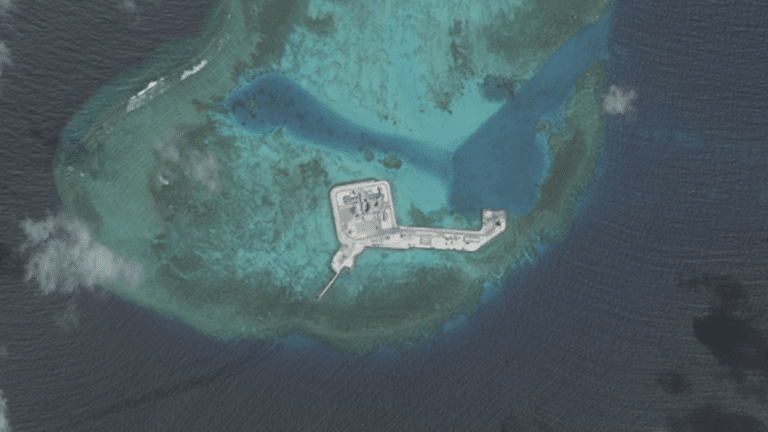
  一些官员担心,中国可能在斯卡伯勒浅滩上部署雷达和导弹。结合位于帕拉塞尔群岛(Paracel islands,中国称西沙群岛)和斯普拉特利群岛(Spratly Islands,中国称南沙群岛)上的设施,这将帮助中国建立一个战略三角,使中国能够管制南中国海上空的任何防空识别区。

""

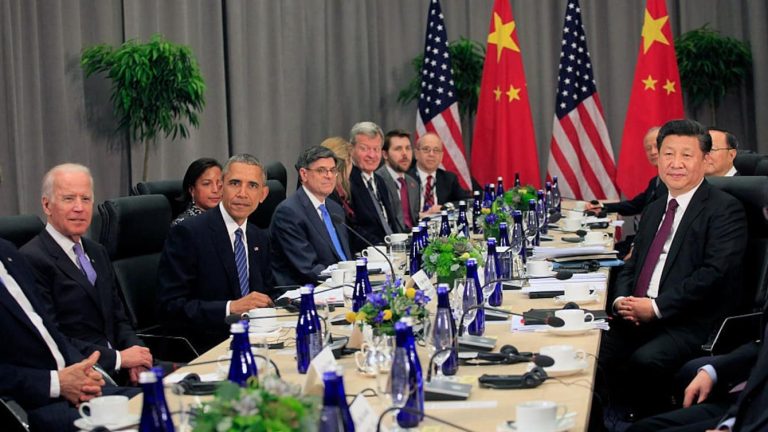
  几名了解习奥会内情的人士表示,有关中美关系所受影响的警告很关键,因为奥巴马强调在斯卡伯勒浅滩上进行任何填海造岛工程都将跨越红线。他明确指出,这种行为导致的紧张升级将在美国举行总统大选、中国举行20国集团(G20)峰会的这一年伤害中国。

  前美国中央情报局(CIA)中国事务高级分析师克里斯•约翰逊(Chris Johnson)表示,尽管现在中国看起来进行了退让,但几乎没有证据表明美国取得了战略性胜利。“中国今年春天做出了不在斯卡伯勒浅滩进行大规模填海造岛的决定,这显然与奥巴马政府有关中国做出让步的说法一致,但在习近平治下,北京方面的决策比以前更不透明了。”他说,“奥巴马政府没有理由得出结论认为,习近平表达过灵活处理中国南中国海主权问题的意愿。”

  在习奥会后,五角大楼在该地区的活动增多。4月下旬,美国太平洋司令部罕见地表示,向斯卡伯勒浅滩附近派遣了多架通常不用于侦察的A-10攻击机,以提供“空中和海上的态势感知”。

  一位军官表示,尽管长期以来美国政府一直将在斯卡伯勒浅滩填海造岛视为一道红线,并对目前的结果感到满意,但一些政府机构(包括美国太平洋司令部)持较怀疑的态度。这位官员表示:“真正的问题是G20会议后会发生什么。”

  前澳大利亚国家安全顾问、目前在美国战略与国际问题研究中心(CSIS)任职的安德鲁•希勒(Andrew Shearer)表示,中国的让步对于美国而言只不过是一次“战术性胜利”。“过去两年,美国政策未能阻止中国在对南中国海实行事实上的军事化方面基本取得成功,”他表示,“媒体报道称,当美国国防部官员和太平洋司令部敦促采取更强硬回应时,美国政府始终在压制他们,以免破坏中国对气候变化等全球性问题的支持。”

  奥巴马在强烈警告中国的几周前,在与东南亚领导人在加州召开会议、并在会上共同批评中国后,他曾下令制定一项新战略。此举还表明美国政府的态度微妙地向太平洋司令部靠拢,后者长期以来一直敦促美国政府对中国采取更强硬态度。

  美国白宫国家安全委员会发言人内德•普赖斯(Ned Price)否认外界有关这两次会议的描述,他表示,奥巴马“不断”向习近平“提出海上安全的问题”。“并不在场的不具名官员对于奥巴马总统与习近平主席在核安全峰会(Nuclear Security Summit)上的对话的描述是不准确的,没有反映出当时或后来发生的情况。”

  随着中美有关南中国海问题的紧张态势升级,奥巴马和习近平都开始担心日益上升的对抗风险。“两位领导人都意识到了两国友好相处的战略意义,”一位了解今年3月习奥会的官员表示,“但(中国人)越显示出他们不愿与国际社会合作,我们就越要做我们必须做的事情。”

  译者/何黎

来源时间:2016/7/13   发布时间:2016/7/13

旧文章ID:10832

达拉斯袭警事件的惨痛教训

作者:爱德华•卢斯  来源:FT中文网

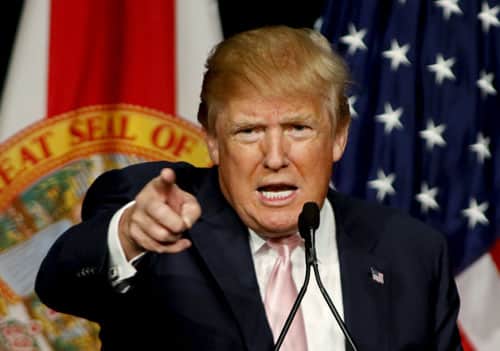
  与以往不一样的是,这一次唐纳德•特朗普(Donald Trump)成了克制的楷模。这位共和党总统候选人在5名达拉斯警官被枪杀后做了正确的表态,而不是在Twitter上借机炒作。他说,每个美国人都应该能够安全地生活(此言含蓄地包括被警察枪杀的黑人受害者)。现在是团结、祈祷、展现爱和领导力的时候。这些话本来可能从希拉里•克林顿(Hillary Clinton)或巴拉克•奥巴马(Barack Obama)的嘴里说出。在揭开所有种族隔阂的伤疤——再加上他自创的一些矛盾——之后,特朗普会不会翻开了新的一页?

  美国应该希望他确实如此。在政治上,2016年是种族火药桶一触即发之年。以任何严肃标准衡量,美国社会种族极化程度在奥巴马任期结束之际比其上台伊始更为严重。在他上任100天后,59%的美国黑人表示,美国种族关系“大体还不错”。在他离任前6个月,这一比例下降至34%。悲观情绪在很大程度上源于一连串的警察枪杀事件,以及记录此类事件的视频在网上引起轰动效应,但无疑也与奥巴马遭受对手蔑视有很大关系。

  很难说有其他可能。在美国历史上,没有哪位总统像奥巴马那样遭到合法性方面的质疑。在白宫公布奥巴马完整版的出生证后,特朗普在2011年发起的迫使奥巴马公布其出生证以证明他出生在美国、而非肯尼亚的运动逐渐偃旗息鼓。但特朗普的“出生地阴谋论”运动得到了更多奥巴马怀疑者的呼应,这是他去年决定角逐总统的原因之一。换言之,那是一个试探性气球,按特朗普的标准衡量,它取得了成功。

  然而,这只是奥巴马总统资质面临的一系列挑战之一。这些挑战始于2008年奥巴马成为民主党总统候选人之前,有人注意到,他没有在衣领上佩戴星条旗徽章,因此引申出奥巴马不爱美国,甚至是反美国的。纽约前市长鲁迪•朱利安尼(Rudy Giuliani)去年似乎说出了许多人的心声,他表示:“我不相信总统是爱美国的……他没有像你我那样,在成长过程中受到爱这个国家的熏陶”。

  福克斯新闻(Fox News)的主播们和一众帮腔者反复散播这一言论。特朗普正在考虑作为竞选搭档的众议院前议长纽特•金里奇(Newt Gingrich)是其中最知名的人士之一。2012年,金里奇将奥巴马称为“食品券总统”,这指的是在奥巴马在任期间针对穷人的营养援助项目的增长。

  在特朗普关于达拉斯事件的声明中引人瞩目的一点是,他的支持者中几乎没有人赞同。为了回应“黑人的命也是命”(Black Lives Matter)运动,现在有声援警方的“警察的命也是命”(Blue Lives Matter)运动。许多共和党人士,包括德克萨斯州副州长,将达拉斯袭警事件归咎于“黑人的命也是命”——枪击是在该团体的抗议活动期间发生的。互联网上充斥着该团体煽动支持者袭击警方的虚构故事。它被描述为是一场黑人分裂主义运动,而不是公民权利抗议。

  特朗普有能力抑制或者煽动这些情绪。迄今他在做正确的事情。他会继续这么做吗?

  特朗普崛起的本质似乎表明,这将是轻率的押注。但即便这个押注正确,2016年总统大选也将在多年来种族隔阂最严重的背景下进行。

  这也将是自奥巴马孩童时期以来首次在没有《1965年投票权法》(Voting Rights Act of 1965)完全保护的情况下举行的总统大选。《投票权法》是一个具有历史意义的法案,它最终终结了长达一个世纪的剥夺南方黑人选民公民权的《吉姆•克劳法》(Jim Crow laws)。

  2013年,美国最高法庭废除了《投票权法》中的一些关键要素。自那以来,17个州(包括北卡罗来纳等关键选举战场)出台了新的严厉的投票者身份法律,这将超出比例地压低黑人投票率。

  许多此类法律已经在2014年生效——2014年国会中期选举的投票率是自奥巴马出生前以来最低的。归根结底,特朗普在今年11月的战略将是尽可能扩大白人的投票率,同时尽可能减少其他人种的投票率。

  诱人的想法是,美国不可能逆转自奥巴马出生以来在种族方面取得的巨大进步。但对传统观点来说,今年似乎是一个坏年头。很少有人相信,英国会拒绝多元文化的益处——那是英国繁荣的一个关键因素。更没有人相信,特朗普这样的人会赢得共和党总统候选人提名。

  对那些认同美国式开放社会的人来说,美国转向反对移民令人警醒。上两代人已经习惯于美国和其他西方国家不断取得进步。现在我们正痛苦地认识到,对任何事都不应该想当然。

  达拉斯的教训在于,负责任的领导不可或缺。英国似乎忘记了这个基本真理。美国正寻思着要不要效仿英国。

  译者/邹策

来源时间:2016/7/13   发布时间:2016/7/13

旧文章ID:10831

乔梁:美国警民冲突仅仅是种族问题吗?

作者:乔梁  来源:共识网

  摘要:在美国政治的发展史上,对国家的认同,早于对种族乃至民族的认同,对民主问题的解决,早于对平等问题的解决,警民冲突所反映出来的种族问题,是政治问题的一个表现,不仅不会就此解决,反而会在今后不断出现。

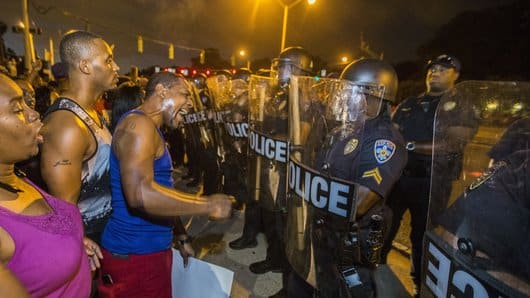
  近日,在美国南方的路易斯安那州巴吞鲁日市和明尼苏达州的明尼阿波利斯市两地先后发生了白人警察枪杀两名黑人平民的事件,因为这两起事件引发的各州黑人游行示威活动,在德克萨斯州的达拉斯市发生了黑人狙击手枪杀五名白人警察的恶性事件。几个事关重大的白人和黑人之间警民冲突事件如此密集地在几个不同地点发生,导致美国政治一时风云突变,几天来成为媒体讨论的热点,舆论热度甚至几乎超过了前一段时间佛罗里达州奥兰多市的恶性枪击事件和总统大选。

  作为曾经在路易斯安那州巴吞鲁日市生活多年的中国留学生和现在从事比较政治教学与科研工作的教师,结合一些相当不成熟的个人观察和思考来理解,笔者认为,近年来发生的几起重要的美国警民冲突事件,确实从一个方面体现了美国社会长期以来久拖不决的种族问题与暴力执法的问题。但同时,这些警民冲突事件的背后,可能有一些更加深刻的,且平时较少为国内外媒体所报道的美国社会生活中逐渐发生着的重要变迁,了解这些相关情况,可能对我们进一步理解美国社会,理解美国当前的种族政治与社会冲突问题,产生一些小小的帮助。

  第一,近年来发生的一些美国不同种族之间的警民冲突,除了反映出当代美国社会的种族问题与族群政治问题,同时更体现了美国社会中社会资本的不断衰落,以及人与人之间信任纽带的不断弱化。近日发生的巴吞鲁日市与明尼阿波利斯市白人警官对并未使用枪支的黑人平民男子射杀的执法记录仪和手机拍摄视频显示,警官对执法对象的开枪射击,不仅很难说是被迫进行的自我防卫,甚至是一种带有预警性质的袭击行为。进一步的调查取证将暴露更多的执法过程中的细节,但是可以肯定的是,在面对作为黑人的执法对象时,白人警官首先感受到了相当巨大的压力和十分强烈的不安全感。在巴吞鲁日枪击案的事发现场,夜晚黑人区的便利店前,确实属于刑事案件高发的典型场所,而笔者在当地生活了多年,总是不断有很多同学朋友提醒,尽量少到某些特定的街区,即使迫不得已经过那里,也尽可能不做任何停留。并不是因为那些街区属于低收入的黑人聚居区就变得格外凶险和犯罪率高居不下,恰恰是因为这些街区犯罪率高、治安差,所以只有低收入和无业的黑人居民才因为没有别的选择而不得不继续居住在此地。今年早些时候发生的美国华裔警官梁彼得枪击与他同岁的黑人Gurley一案中,上岗仅18个月的梁彼得,因为在一处犯罪率很高的地区执行任务,因此对当时的情形产生了误判而开枪射杀了对方。平素人与人之间面对面的交往越来越稀少,社区和居民共同体的概念在人们心中越来越淡薄,从以往远亲不如近邻的密切联系到现在以邻为壑的关门闭户的生活方式,都是大多数美国中低收入的城市社区走向衰落的原因。而经济形势的严峻,失业人口的增加,社会矛盾的突出,犯罪活动的频仍,增强了警察在执法时本能具有的强烈的戒备心理,在一个不安全的社区遇到不服从的黑人嫌疑人,警民冲突可谓一触即发。密苏里州黑人青年布朗遭警察枪杀一案终审结束之后,开枪的白人警察(当时已辞职、后被判无罪释放)曾经在电视采访中十分严肃地回答到,如果当时的情境再现,他仍然会选择开枪,因为他一贯接受的训练就是如此,首先必须制服嫌疑人以避免其进一步的犯罪行为。

  第二,在美国政治的发展史上,对国家的认同,早于对种族乃至民族的认同,对民主问题的解决,早于对平等问题的解决,警民冲突所反映出来的种族问题,是政治问题的一个表现,不仅不会就此解决,反而会在今后不断出现。而较合理的处理办法,只能是在不同的利益群体之间,而不是在不同的种族之间,反复地进行妥协与利益的再平衡,以实现暂时的息事宁人。值得注意的是,近年来多次发生的涉及白人与黑人,或者黑人与别的种族的美国警察之间的警民冲突发生时,身为非洲裔族群的奥巴马总统,虽然屡屡发表严正声明,但是态度并非最强硬的,而措辞也并非最严厉的。反而是几年前的牛顿市小学枪击案(死者多为白人小学生)和最近的奥兰多同性恋俱乐部枪击案(死者多为拉丁裔青年)中,奥巴马总统不仅在最短时间内发表了措辞极为严厉的对滥用暴力和枪支的谴责,对国会尽早通过武器限购法案的强烈敦促,并且一旦安排好别的国务事宜,就在第一时间赶赴案发现场,参加到当地居民自发举办的哀悼活动之中。应该说,这并非是奥巴马总统对自己种族的一种“不忠”或者不作为的行为,而是美国政治的根本制度和发展历程决定了,美国人很早就解决了政体设置的问题,解决了政府运作的程序问题,解决了联邦与地方关系的问题,但是很晚才开始处理白人与白人之外的种族的关系问题,大量移民融入美国社会的问题,是否容许非基督教宗教信仰等等的问题。而解决这些后来的新问题的一个基本的共识就是,尽可能不要在任何程度上触动美国的建国之父们引以为傲的精英政治的制度设计和民主政体运作的基本程序。奥巴马总统是美国民主党政治家,并非黑人运动的民权领袖,因此,他对类似的不同种族之间的警民冲突问题的态度和解决建议只能是政治家式的,只能是精英式的,不可能大谈特谈种族平等,核心的取向是实现更多的和解与达成共识,以妥协与再平衡的方式巧妙地处理这些随着时间推移不断加深的政治与社会危机。最近,美国新闻网站VOX发表署名评论文章指出,如果当年美国独立运动和美国革命没有发生,美国晚一点儿从英国的殖民统治中独立出去的话,那么美国内战将不会发生,美国南方蓄奴制度将会随着英国国内对蓄奴制度的废除而自然而然地走向消亡,美国持续了几个世纪的种族问题将得到更好的解决。这无疑是一篇十分大胆的政论文章,但是它也揭示了美国政治制度的起源在于解决建国问题,而拖延乃至忽视了以后给美国社会带来极为深远影响的民族与种族问题。警民冲突问题是这整个问题的冰山一角,固然引发讨论,但是不可能单靠解决这一问题来替代对更大问题的解决。比如家庭暴力问题,无疑是直接和尖锐的,但是更深刻的成因恐怕是男女平等问题。

  最后,笔者想以自己的亲身经历来证实这一问题的复杂。我在路易斯安那州巴吞鲁日市留学的时候,有一次深夜开车送一位朋友回家。朋友到家之后,我独自开车返回自己的公寓。半路上,当我慢速经过一条僻静的小路时,被停靠在路边的一辆巡逻警车旁等候的警官拦住了。这是一位身材魁梧的黑人男警官,几乎是愤怒地要我摇下车窗玻璃,然后对着我喊叫说:我已经三次警告过你了,不要从这条路上经过!当时,我在惊愕之余,相当小心地回答道,我对天发誓,我从来没有见过警官先生,而且过去一个月之内绝对没有走过这条道路。然后黑人警官紧盯着我看了看,又十分暴怒地说:就是你!就是你!我每天看你从这里经过,你敢抵赖!这次你跟我走一趟吧!最后在我努力辩解之下,我把驾照拿出来给他。然后他返回警车上呼叫总台,查对我的驾驶记录。我在自己的车上听得很清楚,总台接线员给出的答复是,这张驾照没有任何特殊记录。然后,这名黑人警官走到我跟前,把驾照还给我,但是这次声音压低了些,说到:下次别让我撞见你!说起来,这并非是一次冲突,但是这以后我明白了:在警察面前,我是平民。

  (作者:乔梁,中国人民大学国家发展与战略研究院研究员)

来源时间:2016/7/13   发布时间:2016/7/11

旧文章ID:10830

中国寻求化解南海裁决影响

0

作者:查尔斯•克洛弗  来源:FT中文网

  北京方面近日在幕后活动,力求化解海牙仲裁庭周二作出的不承认中国在南中国海主权主张的设定先例的裁决,提出如果菲律宾愿意“搁置”这一裁决,中国将向其提供经济实惠。

  这一战略(利用经济实力威胁甚至收买,以使邻国在国际承认的领土主张上给予配合)对于中国是久经验证的。它突显了华盛顿方面在说服地区各国对北京展示统一立场的难度。

  分析人士表示,菲律宾面临与中国达成幕后协议的诱惑,可能削弱美国的努力,即借助仲裁庭的裁决动员国际舆论对北京方面施压,要求中国从对85%南中国海(“九段线”)的声索中后退。

  据马尼拉德拉萨大学(De La Salle University)的政治分析人士理查德·海达里恩(Richard Heydarian)分析,菲律宾新总统罗德里戈·杜特地(Rodrigo Duterte) “肯定会想方设法利用仲裁……从中国寻求种种让步”。

  “但可以肯定,美国和其他主要盟国将对杜特地政府施加最大压力,要求其发布一份强有力的声明,要求服从裁决,”他补充说。与此同时,他表示,中国正在尽一切可能说服杜特地政府不要利用这起仲裁案让北京难堪。

  悉尼洛伊国际政策研究所(Lowy Institute for International Policy)主任尤安·格雷厄姆(Euan Graham)表示,“如果菲律宾决定不追究此案,而是把它当作一种‘后袋筹码’,重启与中国的双边谈判,那将削弱美国和其它国家在国际舞台上付出的努力。”

  “美国对海洋法的立场在很大程度上取决于这项判决对中国施压,”他补充说。

  南京大学中国南海研究协同创新中心(China Center for Collaborative Studies of the South China Sea)主任朱峰表示,北京方面在海洋主权声索方面与邻国做交易的努力,是一项长期政策,它甚至有一个名称:搁置争议,共同开发。

  他指出了一些外交成功,如2000年与越南就北部湾海事主权主张达成妥协,2005年与越南和菲律宾签署联合海洋地震工作协议。

  “如果(菲律宾和中国)采取务实态度,这当然是中国希望看到的情况,只要仲裁结果被搁置,”朱峰表示。“这可能不是符合美国利益,但它肯定是一个理性的妥协。”

  上周,官方的《中国日报》援引“消息人士”的话表示,“如果菲律宾新一届政府能够搁置仲裁结果,”中方愿就共同开发资源、科研合作等方面开启谈判。

  据中国外交部宣布,中国驻菲律宾大使上周四拜访了杜特地。

  中国媒体提出了多个潜在合作领域:共同开发石油和天然气资源,划定共同渔区,以及合作研究如何恢复地区的珊瑚礁。

  这在很大程度上取决于杜特地,他是一个民粹主义者,借助振兴菲律宾经济的承诺当选,可能需要中国的投资来兑现竞选承诺。菲律宾前总统贝尼尼奥·阿基诺三世(Benigno Aquino III)被中国视为鹰派,但杜特地曾发表态度和缓的声明,似乎愿意谈判。

  “阿基诺下台后,菲律宾对南中国海仲裁的态度出现了鲜明变化,”朱峰表示。

  据马尼拉德拉萨大学的海达里恩分析,新政府有意修补长期紧张的对华外交和投资关系。“杜特地在寻求一种’软着陆’,”他说。

  美国官方迄今在中国和菲律宾可能做交易的问题上保持沉默。华盛顿战略与国际研究中心(Center for Strategic and International Studies)的中国问题专家葛来仪(Bonnie Glaser)表示:“我认为说美国不希望看到妥协是错误的。我认为美国确实希望看到有效的外交,看到中国尊重对待邻国,而不是采取‘强权即真理’的姿态。”

  之前与菲律宾谈判失败,是因为中国坚持要求马尼拉放弃海洋主权声索,将其列为先决条件。“如果他们对杜特地提出同样的要求,我认为结果将是一样的,”葛来仪表示。

  “这一裁决将给菲律宾一些依据,而他们愿意以正确的方式使用它,如果中国也愿意遵守游戏规则,那就有可能得到一个积极的结果,”她说。

  马芳婧(Ma Fangjing)补充报道

  译者/何黎

来源时间:2016/7/13   发布时间:2016/7/13

旧文章ID:10829

史书华:图解南海仲裁案

0

作者:史书华  来源:FT中文网

  北京时间7月12日下午5点,位于荷兰海牙的常设仲裁法院针对菲律宾于2013年对中国提起的诉讼案公布裁决结果:菲律宾取得南海仲裁胜诉。

  裁决除了表示中国在南沙群岛建设人工岛屿破坏海洋生态、妨碍菲律宾在其专属经济区享有主权权利之外,还有两项地理上的重要裁决,恐将影响未来南海权力布局。通过以下地图,带你快速看懂这两大裁决:

  图1. “中国对’九段线’内海洋区域资源主张历史性权利,并没有法律依据。”

  中国在南海上标出“九段线”,对其包覆的海域主张主权。但此次仲裁判定,“并没有证据显示,历史上中国对该水域或其资源拥有排他性的控制权”。

""

  图2. “南沙群岛没有任何一处能够产生200海里专属经济区。”

  根据《联合国海洋法公约》,高潮时高于水面的岛礁能够产生12海里的领海,而高潮时没入水中的低潮高地(low-tide elevations)则无法产生任何领海权利。

  仲裁庭根据历史地理资料,中国主张为领土的黄岩岛、赤瓜岛等地在高潮时高于水面,是拥有12海里领海的礁石(rocks);至于渚碧礁、美济礁等地,则属于低潮高地。

""

  仲裁庭更进一步以“该礁是否能维持人类居住及其本身的经济生活”为标准,检验以上争议礁石能否享有200海里专属经济区?仲裁庭认为:“南沙群岛没有任何一处能够产生延伸的专属经济区。”

来源时间:2016/7/13   发布时间:2016/7/13

旧文章ID:10828

大嘴特朗普化身“预言帝” 大谈种族问题

0

作者:王宏彬  来源:新华社

  美国共和党总统竞选人、地产大亨唐纳德·特朗普11日预言,眼下美国多地爆发的抗议警察暴力执法和种族歧视的示威运动“仅仅是个开始”,非洲裔族群与执法人员之间的关系也“远比人们认为的还差”。

  【法律和秩序代言人】

  特朗普当天接受美联社采访时大谈眼下愈演愈烈的种族骚乱,不过他一反当天早些时候在弗吉尼亚州一个造势活动上的表态,表示理解非洲裔族群对警察过度执法的担忧,两边都不愿得罪。

  特朗普在造势活动上批评示威游行中出现的暴力事件,号召示威人群停止对执法人员的仇视情绪。他说:“是时候停止对警察和其他执法人员的仇视情绪了,必须现在、马上、立即停止!”

  特朗普说:“我们必须维持最高级别的法律和秩序,否则国将不国。而我,就是代表法律和秩序的总统竞选人。”

  美联社评论,特朗普这番话明显借鉴了前总统理查德·尼克松的讲话。1968年黑人民权运动领袖马丁·路德·金遇刺后,美国多地爆发街头示威和暴力事件,尼克松作为共和党总统竞选人发表讲话,呼吁重建法律和秩序,赢得人心。

  特朗普预言,今年夏天美国还会发生更多抗议警察暴力执法和种族歧视的示威游行。他说:“奥巴马总统前几天称,他认为这个问题没有人们想象的那么严重。但是我认为,问题非常严重,远比他以为的严重。”

  他接着说:“我们现在身处在一个分裂的国家。我两天前看到,我们11个城市都发生了这样的事(示威游行)。这是大麻烦,但美国媒体报道却对此轻描淡写。我认为,今年夏天这仅仅是个开头。”

  【“这个国家的人处不来”】

  提及本月初美国接连发生的两起白人警察枪杀黑人事件和一起黑人袭警事件,特朗普说他看到相关报道和视频,“深感不安”。

  他说:“这些画面看起来非常恐怖,不管是因为(警察)缺乏训练还是其他原因,这两起事件都让人不忍直视。”

  特朗普说,非洲裔族群对警察所持的愤懑与高失业率和低收入有关。“工作能解决很多问题……好的工作岗位正从我们国家流失。我们将为这个国家创造更好的工作,人们可以过上好日子,生活得幸福。”

  问及会对那些遭受歧视的非洲裔人群说些什么,特朗普没有给出任何实质建议,只是说“需要和他们好好谈一谈”。他说:“我们也需要和警察好好谈一谈。我们需要让人们好好相处,这个国家的人处不来。我们生活在一个分裂的国家。”

  本月5日和6日,美国路易斯安那州和明尼苏达州接连发生警察执法过程中枪杀非洲裔男子的事件,再次引发美国民众对警察暴力执法、种族歧视的愤怒,美国多地爆发抗议活动,并且愈演愈烈。

  本月7日,被仇恨点燃的非洲裔退伍士兵迈卡·约翰逊在达拉斯一场示威游行中中伏击打死5名维持秩序的警察,打伤7名警察。这是2001年“9·11”恐怖袭击后美国警方人员伤亡最惨重的一起案件。

  同一天,黑人退伍老兵拉基姆·斯科特在田纳西州一家酒店射击,后在一条高速公路上开枪、与警方枪战,致死1名女子,打伤包括一名警察在内的多人。斯科特最终受伤被擒。他告诉警方调查人员,他因非洲裔族群遭警方暴力执法而愤怒。

  本月9日和10日,明尼苏达州圣保罗和路易斯安那州巴吞鲁日两地的示威游行演变成骚乱,愤怒的示威者向维持秩序的警察投掷石块、水瓶和烟花等物,造成数十人受伤,警方最终逮捕200多人。

来源时间:2016/7/13   发布时间:2016/7/13

旧文章ID:10827

美国选战“金钱化”愈演愈烈

作者:章念生  来源:人民日报

  随着美国大选进程的不断深入,参选人从各种渠道接受的筹款数额也与日俱增,成为各方关注的焦点。美国联邦选举委员会最新公布的数据显示,截至今年6月27日,希拉里团队的筹款已超过3亿美元,已退选的桑德斯团队筹款超过2.2亿美元,特朗普团队略显逊色,也超过了6600万美元。选战“金钱化”日益突出,带来的弊端愈发明显,美国民众的担忧在加剧。

  参与募款的组织团体如雨后春笋般猛增,竞选中的黑金数额不断刷新

  在竞选资金来源方面,基本可分为硬钱与软钱两部分。硬钱指的是传统政治献金,根据美国《联邦选举竞选法》的相关规定,这要向联邦选举委员会报告资金来源,捐款数额也有上限。

  软钱则指的是外部政治献金,来源于竞选活动之外的团体。这些团体只要不是政治组织,就可以接受来自个人、企业和工会的捐款,且不设上限。超级政治行动委员会就属于这一类。这些团体不能与竞选人及相关组织直接协调,但其资金可用于刊登广告来支持或反对某位候选人。换言之,既可“捧”竞选对象,也可“黑”竞选对手。这些团体的负责人往往是竞选人的知交,与竞选人或其竞选团队之间的关系非同一般。

  原则上,超级政治行动委员会的捐款对象及数额等也需要向联邦选举委员会报告,但只要捐款对象是没有资产和经营活动的空壳公司或以教育、培训等为目的的非营利机构,就可不必申报。这部分资金又被称为“黑金”。

  自2010年以来,参与募款的组织团体如雨后春笋般猛增,尤其以超级政治行动委员会为甚。与此同时,竞选中的黑金数额不断刷新。据美国政治响应中心的相关统计,与2012年大选时相比,2016年大选的“黑金”数额出现了5倍的飞跃。而这些现象的直接诱因被认为是美国联邦最高法院2010年1月对超级政治行动委员会捐款不设上限这一裁决。

  “这一裁决不但打开了金钱政治的洪水之门,而且扼杀了政治献金改革的一切努力。这也是美国金钱政治久盛不衰的根源之一。”宾夕法尼亚印第安纳大学政治系教授史蒂文·杰克逊对本报记者说。

  金钱与政治的结合,使得富人可以通过他们的经济资源来获得特别优势

  每一位总统参选人后面,都至少有一个超级政治行动委员会支持。比如支持佛罗里达前州长杰布·布什的组织名叫“提升美国权利”,直到杰布·布什退选前,共花掉8700万美元;佛罗里达参议员马可·卢比奥的“金主”名为“保守答案政治行动委员会”,为其花费5500万美元;特德·克鲁兹后面的“金主”则名叫罗伯特·默瑟,共为其捐款1670万美元。

  天下没有免费的午餐,捐款都是要回报的。关于美国金钱政治,美国社会学家赖特·米尔斯在其《权力精英》一书中曾这样描述:亿万富翁代表了一种社会、经济与政治优势的组合,这种金钱与政治的结合,使得富人可以通过他们的经济资源来获得特别优势。

  诺贝尔经济学奖得主、哥伦比亚大学经济学教授约瑟夫·斯蒂格利茨认为,有些富人利益集团通过运用其经济资源来获得过度影响力,从而提高他们的权力。美国政治学者雅各布·哈克和保罗·皮尔逊在其《赢者通吃政治》一书中指出,金钱资源的过度集中已经损害了政治进程,因为它给予富裕少数派获得不均衡利益的权力。

  美国布鲁金斯学会副会长兼政府研究部主任达雷尔·韦斯特接受本报记者采访时表示,竞选人高度依赖金钱,而优厚的回报又让越来越多的美国富人和企业为美国政治注资,形成循环。随着政治的“金钱化”,那些与普通民众政策观点存在显著不同的富裕阶层,可以用很多方式来影响政治议程。“富豪们所拥有的大量资源与造势能力带来了政治影响力、透明度和公信力等方面的问题。”

  金钱政治盛行,导致社会矛盾的激化,也带来社会思潮的变化

  金钱政治盛行,一方面带来社会矛盾的激化,比如今年4月初在美国各地发生的“民主之春”运动,便以反对金钱政治为主要目标。另一方面,也带来社会思潮的变化,比如桑德斯打出的“社会主义”旗号和反对金钱政治口号,在年轻人当中拥有很大市场。

  30多岁的创业者威尔·范汉文伦是桑德斯的拥趸之一,他毕业于美国明德学院。“桑德斯提出的口号带有社会主义色彩,他反对金钱政治,强调社会平等,我和周围的年轻伙伴们都支持他。虽然他已经出局了,但我们希望表达我们的声音,希望这个社会更平等。”威尔对本报记者说。

  来自内华达州的企业白领道格拉斯·加里森夫妇,家里分成了两派,丈夫道格拉斯支持希拉里,妻子玛丽支持桑德斯。道格拉斯支持希拉里,认为她有治国经验,属于“务实派”,而认为桑德斯的好多想法都无法落实,属于“虚拟派”。但道格拉斯无法说服玛丽。玛丽的回答是:“宁要虚拟也不要现实。”这一回答出人意料。

  关于桑德斯受欢迎的现象,法国经济学家、《21世纪资本论》一书作者托马斯·皮凯蒂将其解读为,“许多美国人已厌倦日益严重的不平等现象和这些所谓的政治改革”。

  耶鲁大学高级研究员、摩根士坦利集团前亚洲主席斯蒂芬·罗奇在接受本报记者采访时表示,竞选资金的结构正日益偏向于富裕的、根深蒂固的权力基础。它导致精英阶层与被剥夺权利者之间出现明显的政治断点,“美国梦正处于转变为噩梦的边缘”。

来源时间:2016/7/13   发布时间:2016/7/13

旧文章ID:10826

吴心伯:华盛顿南海“代理人”策略难持续

0

作者:吴心伯  来源:中评社

  菲律宾提起的南海仲裁案是美国为了自己的南海利益而利用其在本地区的盟友对中国发起的一场法律战和舆论战。临时仲裁庭公布的所谓最终结果充分暴露了该法庭的偏见和荒谬。随着菲律宾新政府表示要在南海争端中采取较为务实的态度,低调处理仲裁结果,这场舆论战在达到沸点之前就已经在降温。这样的结果肯定是美国没有预料到的。

  美国在南海有着重要的地缘政治利益,但既不是南海争端的当事国,也不是南海周边国家,因此其对南海的介入必须得到南海地区有关国家的配合,而华盛顿最期待的代理人就是马尼拉和河内。然而近来越南并没有像美国所期待的那样积极地去配合它,曾经跳得最高的菲律宾也有改弦更张之意。实际上,无论是在河内还是马尼拉,都不乏头脑清醒者,他们知道在南海问题上与中国死磕到底,既解决不了问题,也不符合其国家的总体利益。

  那么,在无法充分依靠代理人的情况下,美国能够长期强力直接介入南海问题吗?答案是否定的。美国民众对南海的关心远不如对伊斯兰国的担心,这意味着美国插手南海的国内政治支持并不充分。美国对南海的军事投入也会受制于其不断缩水的防务资源以及应对其他地区安全挑战的需要。在中国的军事力量不断增强的情况下,美国在南海的局部优势会越来越捉襟见肘。当然,美国还会打着维护航行自由的名义单独或联合一些其他国家派军舰在南海转悠,但这并不能左右南海争端的结局。

  冷静地看,中国如今在南海处于比以前有利得多的地位。近年的岛礁建设大大提升了中国在南海的存在,为将来更好地捍卫南海利益打下了坚实的基础。

  不仅如此,中国强大的经济力量也为处理南海问题提供了重要的资源。南海周边诸国无不希望与中国发展紧密的经济合作,这使得他们长远而言必须在南海问题上采取更加务实和平衡的姿态。更重要的是,如果中国能将南海问题置于塑造良好的地区格局、推动周边国家在“一带一路”倡议中的合作这个大框架中考虑,采取“有理、有利、有节”的立场,美国或其他域外国家要在南海浑水摸鱼的企图就会落空。由此看来,南海问题主动权在我手里,时间在中国一边,长期形势对我有利。(作者是复旦大学国际问题研究院常务副院长)

来源时间:2016/7/13   发布时间:2016/7/13

旧文章ID:10825

白宫高官称不寻求利用南海阻挠中国崛起

0

作者:余东晖  来源:中评网

  南海仲裁案结果出炉当天,白宫高官在美国智库发表演讲称,美国没有需要也没有兴趣以搅动南海紧张来创造介入区域的借口;美国不畏惧中国崛起,也不寻求利用南海来阻挠中国崛起。

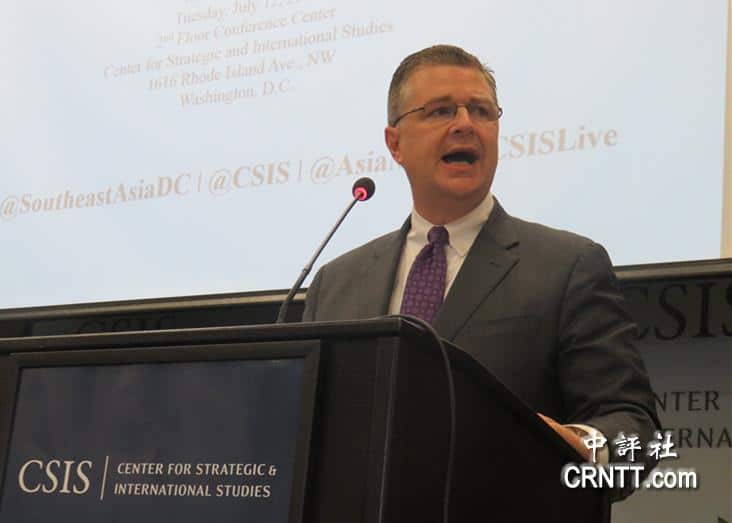
  白宫国安会亚洲事务高级主任康达(Daniel Kritenbrink)12日中午在华府智库“战略与国际研究中心”(CSIS)举行的南海会议上发表专题演讲。他称自己接受邀请时并不知道今天仲裁要出结果,因而他对仲裁案的回应基本上就是照念美国国务院当天早先时候发表的声明全文。他说,美国在亚太领土与海上争端,包括南海争端获得没有胁迫、与国际法相一致的方式和平解决方面有持久利益。美国支持外交程序与像仲裁这样的和平解决争端机制。这种机制对和平、合法、平等解决分歧至关重要。

  接着康达谈到美国处理南海问题的总体手法。他表示,美国是以全球基于国际秩序的大背景来看待南海,美国的战略由习惯国际法、不受阻的合法商业、民用和军用舰机的自由航行与飞行、和平解决争端等原则所驱使。他重申,在美国不是其中一方的竞争性领土和主权主张中,美国不采取立场。“我们准备接受声索方和平地,并与国际法相一致方式达成的任何争端解决结果。” 康达说,但不接受在南海有不一样的一套规则。

  康达在演讲中再三提到基于规则的国际秩序,并将保存和加强全球秩序作为与美国国家安全利益直接相关的重点。

  康达提到南海争端之下的美中关系。他称,美国没有需要也没有兴趣以搅动南海紧张来创造介入区域的接口;美国不畏惧中国崛起,也不寻求利用南海来阻挠中国崛起。美中之间已有更广、更活跃、更有成果的关系,同时双边关系也更加复杂。他表示,美国不会对南海这个关键水道视而不见来换取别的地方合作,会就中国在南海行为与中方展开直接对话,并相信美国在创造条件和平、与国际法一致地解决争端方面能扮演关键作用,即鼓励各方共同努力降低紧张;帮助东南亚沿海国家提高预警与海上能力,支持区域共同行动图景的发展;在南海经常性地行使自己的军力。

  康达表示,美国会在南海例行展示军力存在;保持稳定的军事行动节奏,包括常规的存在行动和例行自由航行行动;加强整合的区域安全网;与中国直接接触,减少两军间意外事故风险。他称,最近有些在南海军事行动登上头条,但美军在亚太和南海的行动有70年的持续和继续存在。似是回应中方批评美国在南海军事行动导致南海紧张,他说:“我们的军事行动不是过去5年改变南海的关键变数。” 他还提到美中两军靠近行动频率更高,由此建立信心建设措施的重要性。

  最后康达阐述了美国的亚太区域愿景的内容,包括深化美国与盟友、伙伴、新兴国家的联系;推动美国和区域的经济繁荣;加强共同的规则、准则、原则,支持区域性机制;扩大亚洲在应对全球关键挑战上的合作。他强调,美国在亚太的盟友仍是战略中心,美国的安全承诺是坚固的。美国在继续应对南海短期挑战的同时,仍专注于亚太的更长远趋势。

来源时间:2016/7/13   发布时间:2016/7/13

旧文章ID:10824

南海仲裁 包道格劝美菲给中国空间莫洋洋自得

0

作者:余东晖  来源:中评网

""


  在菲律宾所提南海仲裁案结果出炉之际,美国知名亚洲问题专家包道格(Douglas Paal)劝华盛顿和马尼拉冷静反应,既不要洋洋自得,也不要强烈指责,要给北京以展示灵活性的空间,并希望中国将此次裁决作为与菲律宾达成交易,降低南海紧张局势的转折点。

  卡内基国际和平基金会副总裁包道格日前参加美中智库南海对话会时就提出希望各方将此次仲裁案结果出炉变成由对抗到谈判的转折点。他在卡内基官网最新撰文,希望北京能准备抓住这个裁决的机会,将之变成降低南海紧张局势的转折点,而美菲也应当给予北京以展示灵活性的回旋空间。

  包道格指出,过去一年美中两国都通过你来我往的动作使得南海的安全困局升级,双方的言辞越来越刺耳。他提到一年多来,美国官员似乎害怕美国在本地区的可信度产生赤字而采取行动,美国海军详细地将抵近中国在建岛礁的自由航行行动公开化。美国防长卡特和高级军方司令们就美国在本地区的利益口无遮拦,而文官则缺位。这种高分贝声调可预见地挑起中国的民族主义情绪,使得强硬的政策选择比温和的政策对中国领导人来说更具有吸引力。他说:“如果美国想让中国战士更多灵活性,其现在的战术却具有反效果。即便像有些人说的,中国领导人无论如何就是决心要在本地区追求强硬政策,那美国保持一定时期的克制至少可能让事实更昭显。”

  包道格认为,现在事情已经到了让中国化迫在眉睫的对抗为产生好处的时刻。菲律宾新总统杜特尔特将国内发展作为优先,不会像其前任那样与中国争执,表达与中方对话的意愿,并准备派特使去中国。他说,中国已经把自己逼入会强烈谴责裁决的墙角,但“华盛顿和马尼拉最好能够冷静反应,既不要洋洋自得,也不要强烈指责(neither gloat nor fulminate)。他们应当思考给北京一些退却的空间”。

  具体地说,包道格建议,中国应当抓住机会与菲律宾特使达成一个降低紧张的交换条件。中国可以承诺重开从2012年起就对菲律宾渔民关闭的黄岩岛,对合法捕鱼开放,撤走军事船只。菲律宾则得到保证,如果菲律宾从仁爱礁撤走依靠一艘废弃破旧的船只生存的水兵,北京不会借机进占。双方同意保持渔场开放,军舰不进入,搁置主权争议。

  包道格表示,除了这些可能的交换,还有中菲之间大范围投资贸易可推进,这有利于冷却领土争端的大背景。他说,领土争端不可能很快解决,也许通过双边处理最有效。如果中国在七一二裁决后要“疗伤”,它应当感到满意的是,它展示了对南沙一些岛礁的控制,而且处于与声索对手谈判的更强劲位置,但中国应当超越之,以实现重建与邻国的关系。

来源时间:2016/7/13   发布时间:2016/7/13

旧文章ID:10823