Home Blog Page 1631

布鲁金斯:世界秩序的发展与美国的前途

0

作者:Michael J. Mazarr  来源:

   
   为了规避战争与经济危机,二战之后,以联合国与其他各个国际组织为基础,美国建立起了一整以市场经济、自由、民主人权为主调的国际秩序。然而,随着近百年的发展,这套国际秩序正在发生变化。中国、俄罗斯、土耳其等都在积蓄力量调整这套国际秩序,美国应该怎么做?放开领导权,使的国际秩序更为多元、开放?还是显示肌肉保障现存的国际秩序?美国应该学会怎样在更为多元的国际秩序中充当领导地位,这是下一任美国总统首当考虑的。这当然会很难,但这不仅决定这美国的前途也影响着下一个世纪的和平。


    The coming election could turn out to be pivotal for the U.S. role in the world—and not only because of the candidates’ wildly different worldviews.

    Whoever is elected will confront one of the most profound tasks of any post-war U.S. president: reimagining a threatened international order. Mishandled, the challenge could throw world politics into a tailspin. Done right, it could help keep the peace for another half-century.

    The United States and its Western allies erected the modern, rules-based international order after World War II to avoid a repeat of the economic and military mistakes of the 1930s. Initially built around the U.N. and leading economic institutions, the order represented a set of mechanisms to help regulate countries’ behavior.

    Since then it has become a kaleidoscope of mutually reinforcing parts. It includes institutions, like the United Nations, and the Nonproliferation Treaty; rules, in areas such as trade and investment; and norms of conduct, like the idea that countries don’t use force to resolve disputes. It is built on self-consciously liberal principles, including free trade, democracy, human rights and the rule of law.

    The resulting order has come to represent structures and norms that have accomplished a great deal. It has helped to stabilize and enhance trading relations, financial stability, nonproliferation policies, development aid and peacekeeping, human rights standards and much more.

    The results since 1945 have been impressive: rising living standards, burgeoning democracy, improving health, a world more linked by trade and capital flows, declining poverty rates, falling levels of conflict.

    The rules-based order is only one of several factors that conspired to produce these benefits. But it has played a significant role and offered a powerful support system for U.S. power and values. It is quite simply the framework on which Washington built its post-war security policy.

    Which makes it all the more dangerous that the rules-based order seems to be under assault.

    The biggest challenge comes from frustrated and ambitious countries who see the order as a U.S.-dominated club. China, Russia, India, Brazil, Turkey and others have long chafed at the idea of living under a system whose rules they did not set and whose liberal pretensions cause some of them heartburn.

    These states appreciate the value of a rules-based order and aim to preserve most of it. But they understandably want more influence in its institutions and decisions. A few of them, notably Russia and China, are determined to press territorial claims and demands for spheres of influence in belligerent ways that test the core norms of the order.

    Partly as a result, all the momentum these days is to view Russia and China as “revisionists”—a code word for disruptive actors intent on tearing down an existing order. Meantime the United States is growing frustrated with some other major powers—such as India, Brazil and Turkey—who are insisting on their right to shape the order on issues like climate, trade, or nonproliferation.

    Some in Washington are unwilling to share leadership of the international rules-based order, taking the view that the United States built the order, and it should decide how it works.

    But that mindset is no longer tenable. The order will either become more shared, or it will gradually fall apart. The next president will somehow have to identify a path to a more diverse, multilateral order—while reaffirming the U.S.’s intention to stand by its global commitments.

    The task is far from hopeless, because major powers have many shared interests, in areas such as trade, global development, climate change and counterterrorism. And most countries still value U.S. leadership.

    But there is no denying that the path will be bumpy. It’s tough for the dominant leader of any community to embrace new habits of compromise. Flexing muscles and offering accommodations at the same time will be a grueling paradox to manage.

    This is especially true for the United States, which often has trouble with ambivalent relationships—countries that can’t be branded as friend or adversary, and that are happy to collaborate on some issues even as they undercut the United States on others.

    Even in such a more complex, shared order, Washington will have to lead, and can do so boldly and unapologetically. But it will have to learn how to lead in more clever, shared and flexible ways, at the very time it is sorely tempted to start gearing up for fresh global confrontations.

    As the campaign season heats up, then, a great policy question for either candidate is where do they stand. Do they believe that some version of a rules-based order works to the U.S. advantage? And if so, how do they plan to reimagine that order as a more shared, diverse, but still stable global reality?

   链接:http://www.rand.org/blog/2016/06/will-the-new-president-risk-the-stability-of-the-world.html

来源时间:2016/6/17   发布时间:2016/6/17

旧文章ID:10643
布鲁金斯:在南海争端中,美印合作还有很大空间

0

作者:布鲁金斯  来源:中美印象

    虽然南海争端是亚洲安全的一个潜在威胁,但也为美印合作保证地区秩序、维护地区和平提供了机会。本文是《转变中的美印关系》的节选。美国在南海的国家利益为航行自由与商道畅通,中美之间就联合国海洋法约的解释也各不相同。同时,印度一心想再东亚扩展影响力,南海争端是一个绝佳的机会。
    
   美印有各自涉入南海争端的考量,两者可以通过以下的途径进行合作:首先,美印应该继续坚持南海的航行自由及联合国海洋法公约在解决南海争端中的关键作用。其次,美国应该坚定地涉入南海争端中。第三,印度应该支持南海争端解决的国际化,支持美国和东盟在解决该事件中的重要作用。此外,美印还可以共同武装越南等南海声索国,共同应对该地区的非传统安全。


    Editors’ Note: Although the South China Sea is a source of potential instability for the Asian region, writes Joseph Liow, disputes there also offer an opportunity for greater cooperation between the United States and India in contributing to the management of regional order. This post is excerpted from a new Brookings India briefing book titled “India-U.S. Relations in Transition.”

    While a source of potential instability for the Asian region, the South China Sea disputes also offer an opportunity for greater cooperation between the United States and India in contributing to the management of regional order.

    The United States has reiterated its neutrality on the matter of competing claims in the South China Sea. Nevertheless, by way of former Secretary of State Hillary Clinton’s statement at the 2010 ASEAN Regional Forum meeting, the United States has also stated that the South China Sea is a matter of national interest. Specifically, the U.S. interest in the South China Sea is related to stability, freedom of navigation, and the right to lawful commercial activity in East Asia’s waterways. The declaratory policy on the South China Sea has gathered strength with the Obama administration’s strategy of a "pivot" (or "rebalance") to Asia. This declaratory policy has been accompanied by a deepening of U.S. diplomatic, military, and economic ties with key Southeast Asian claimant states, notably the Philippines and Vietnam. Unilaterally, the United States has also adopted a more robust position on the South China Sea. This is evident in its conduct of several high-profile freedom of navigation operations (FONOPs) after a hiatus of two years, designed to demonstrate the commitment of the United States to stability in the area.

    While the South China Sea is a matter of national interest for the United States, its explicit interest is freedom of navigation and unimpeded commerce. Both of these are things China has guaranteed although, granted, both parties have still to arrive at agreement as to acceptable military activities under the rubric of freedom of navigation, especially in the South China Sea. Commerce however, has little if anything to do with the concerns that both parties have. Underlying their differences on this matter is their competing interpretations of the United Nations Convention on the Law of the Sea (UNCLOS) in relation to military activities within a state’s exclusive economic zone (EEZ)。 Whereas Washington has taken the position—despite not having ratified UNCLOS—that military activities in EEZs are permitted under the Convention, Beijing has opposed this.

    India views the South China Sea as a secondary sphere of influence, the most important sphere being South Asia and the broader Bay of Bengal area. It also realizes that it does not have the naval capability to stake any kind of claim as a significant military power in the South China Sea. Increasing tensions in the South China Sea, however, are viewed as affording India certain benefits. First, China’s assertiveness in the South China Sea belies China’s “peaceful rise” narrative within Southeast Asia and this raises India’s value as a strategic counterweight to China amongst both Southeast Asian states and the United States (as well as Japan, by proxy)。 Second, and related to the previous point, this allows India to exert some amount of strategic pressure on China in response to the latter’s drive to bolster its strategic reach into the Bay of Bengal and the wider Indian Ocean region. In a nutshell, India considers the Indian Ocean region, and the Bay of Bengal specifically, as its sphere of influence. China’s challenge to this Indian dominance has led India to make references to the South China Sea in joint statements with the United States and with several claimant and non-claimant ASEAN states. India views this as a low-cost and useful tit-for-tat strategy thus far.

    India’s relationship with Vietnam implicates India, to some extent, directly in the South China Sea dispute. India’s state-owned ONGC started a joint oil exploration project in 1988 in Vietnam’s territorial waters in the South China Sea. For a long time, China did not make any significant reference to this joint project. However, from the early 2000’s China has objected to India’s role in this venture. India has responded in two ways. First, it has asserted the right of its state-owned enterprise to carry out this venture as part of India’s legitimate economic interests. Second, it has begun to sell patrol boats to Vietnam in order to bolster the latter’s coast guard capability. India’s warships have also made port calls to Vietnam and defended its right to do so. India has asserted that it will use its navy to defend installations related to this venture in the eventuality that these come under any threat. The Indian perception is that China will not risk an open confrontation.

    The United States and India can take several steps to stabilize the South China Sea situation:

    • India and the United States should continue to assert that both freedom of navigation and UNCLOS should be adhered to in the South China Sea. This should be done unilaterally but also bilaterally. Freedom of navigation operations by the United States should continue, and India should seriously consider the conduct of such operations as well.

    • The United States should regularly reassure regional states of its commitment to the region. This is crucial because of prevailing anxieties in many Southeast Asian states that the United States may not be able to sustain the attention it accorded to the region under the rubric of the "pivot." Moreover, regional states are also fearful of a U.S.-China condominium in which the United States might be prepared to compromise Southeast Asian interests in exchange for Chinese compromise on a broad range of global issues that could conceivably involve global trade and finance, nuclear proliferation, and North Korea. The United States should bear such concerns in mind.

    • For some time, India has consistently stated that the South China Sea dispute should be settled peacefully through negotiation. In April 2016, India, Russia and China released a joint statement which asserted that “all related disputes should be addressed through negotiations and agreements between the parties concerned.” This was seen as a slight departure from the earlier Indian position and closer to the Chinese position against internationalization of the dispute. This interpretation has been disputed by India and they have re-asserted that their position is that the dispute should be resolved peacefully via a mechanism agreed to between the claimant states, which potentially allows ASEAN and the United States a role in managing the dispute.

    Both India and the United States can work together to build coast guard capabilities of claimant states, particularly Vietnam, to deal more effectively against non-traditional threats like piracy and terrorism.

来源时间:2016/6/17   发布时间:2016/6/17

旧文章ID:10642

布鲁金斯:莫迪在美国国会的演讲:印度强、美国强

0

作者:Tanvi Madan 布鲁金斯学会  来源:中美印象

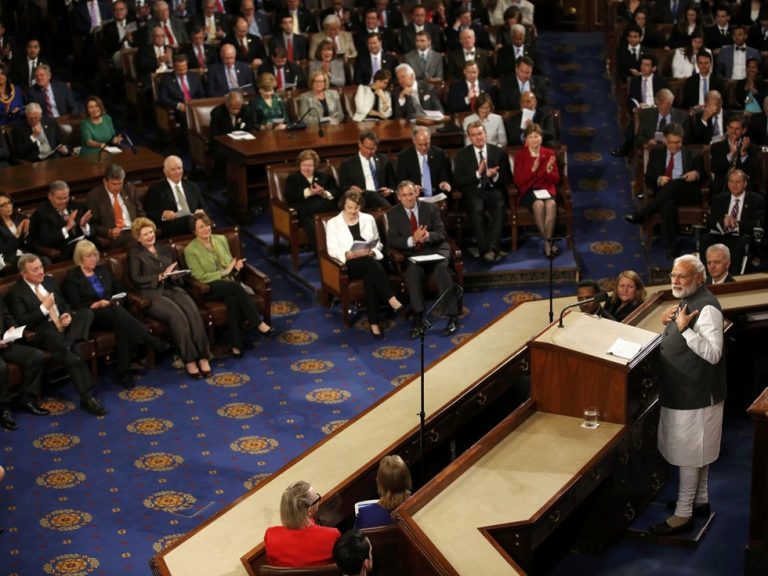
    上周印度总理莫迪在美国国会发表演讲,称“今天美印关系翻开了新的一章。”除了赞扬美国的民主制度是印度学习的榜样,两国所持的民主自由观念是其发展的信念基础之外,还就恐怖主义、印度经济发展状况、美印经济关系展望、自由市场经济等发表了言论,最后声明印度不会只做一个“搭便车”的国家,而会努力为国际秩序和全球发展做出贡献。

    In his speech to a joint meeting of Congress last week, Indian Prime Minister Narendra Modi declared: “there is a new symphony in play.” He was referring to the relationship, but there were some new themes in his speech as well, in addition to a few familiar, predictable ones.

    Shared Democratic Values. Modi’s speech covered some of the same ground on shared democratic values as his predecessors. Referring to Congress as a “temple of democracy”—a phrased he’s used in the past for the Indian parliament—and to India’s constitution as its “real holy book,” he stressed that freedom and equality were shared beliefs. In a section that elicited laughter, he also commented that the two countries shared certain practices—legislatures known for bipartisanship and operating harmoniously. Also par for the course was Modi’s emphasis on India’s diversity. An implicit response to critics of India on human rights (including minority rights), freedom of the press, and tolerance of dissent, Modi noted that India’s constitution protected the equal rights of all citizens and enshrined freedom of faith. Echoing former prime minister Atal Bihari Vajpayee’s words on unity in diversity, he asserted “India lives as one; India grows as one; India celebrates as one.”

    Terrorism. Like Vajpayee and Manmohan Singh before him, Modi highlighted the challenge of terrorism, stressing it was globally the “biggest threat.” Acknowledging existing India-U.S. counter-terrorism cooperation, he called for more, including an approach “that isolates those who harbor, support and sponsor terrorists; that does not distinguish between ‘good’ and ‘bad’ terrorists; and that delinks religion from terrorism.” Like his predecessors, Modi did not explicitly mention Pakistan, but alluded to it. He asserted that while it was a global problem, terrorism was “incubated” in India’s neighborhood. In what seemed like a reference to the Congressional hold on the subsidized sale of F-16s to Pakistan, the Indian prime minister also lauded that body for “sending a clear message to those who preach and practice terrorism for political gains. Refusing to reward them is the first step towards holding them accountable for their actions.”

    The Indian Economy. From Jawaharlal Nehru onward, prime ministers have outlined their domestic objectives in speeches to Congress, highlighting the reforms they’ve undertaken. Modi did too, highlighting India’s growth rate and economic opportunities, while acknowledging that much remained to be done. And there were also subtle responses to criticisms of Indian economic policy: for example, the remark about legislative gridlock suggested that American policymakers should understand why some reforms in India are taking time; the quip about India not claiming intellectual property rights on yoga was a rejoinder to those who give India a hard time about intellectual property rights (especially in the pharmaceutical sector)。 He also noted that in the past “wagers were made on our failure,” and yet Indians have time and again found a way to survive and succeed.

    The new

    Anti-Declinism. For those promising to make America great again, Modi had a message: it already is. In a speech to the U.S.-India Business Council the day before, he exuded optimism—not just about India, but the United States as well, asserting that, to him, “America is not just a country with a great past; it is a country with an exciting future.” In his speech to Congress, he referred to the U.S. as “great” at least four times and spoke of its “innovative genius.” Recalling that he’d thus far visited half of all American states, he noted what he believed was the United States’ “real strength”: Americans’ ability to dream big and be bold.

    In an election year when the nature and extent of American engagement with the world is being debated, Modi acknowledged the country’s global contributions and called for a continued U.S. role in the world. He applauded—and led members of Congress in a round of applause—for “the great sacrifices of the men and women from ‘The Land of the Free and the Home of the Brave’ in service of mankind.” With the exception of Nehru, who paid his respects at the Tomb of the Unknown Soldier, Indian premiers have tended not to mention American troops—partly a result of differing views on the Korean, Vietnam, and Iraq wars. Modi, on the other hand, explicitly mentioned U.S. efforts in Afghanistan, where “the sacrifices of Americans have helped create a better life.”

    In a more challenging, complex, and uncertain world, he asserted that U.S.-Indian engagement could make an impact, by “promoting cooperation not dominance; connectivity not isolation; respect for global commons; inclusive not exclusive mechanisms; and above all adherence to international rules and norms.” (No prizes for guessing the country that went unnamed)。

    The Open Embrace. Modi-Obama hugs have fueled many a tweet. But the speech signaled and reflected a much broader embrace—an India-U.S. one that has been in the works for at least the last 17 years but has become much more visible in the last two. In 2000, addressing Congress, Vajpayee called for the two countries to “remove the shadow of hesitation that lies between us and our joint vision.” Not all his compatriots will agree, but Modi declared: “Today, our relationship has overcome the hesitations of history” and recalled Vajpayee labeling the two as “natural allies.” Listing the ways the relationship had grown closer, he emphasized that this “remarkable story” was not a partisan effort: “[t]hrough the cycle of elections and transitions of administrations the intensity of our engagements has only grown.” He also talked about what the two countries could do together, and stressed that the relationship was good for India. While he’s previously called the United States “a principal partner in the realization of India’s rise as a responsible, influential world power,” he went further this time, stating: “In every sector of India’s forward march, I see the U.S. as an indispensable partner.”

    Not a Free-Rider. But throughout the speech, Modi asserted that this relationship benefited both countries “in great measure,” with a “positive impact on the lives” of people in each. Echoing Singh, he noted that many members of Congress indeed believed that “a stronger and prosperous India is in America’s strategic interest.” Modi made the case that India is not a free rider—that through its businesses, market, talent, and diaspora it is contributing to American economy and society. The day before, in his speech to business leaders, he stressed that India was also “poised to contribute as a new engine of global growth” (and made a pitch for support to such “democratic” engines)。

    Modi furthermore highlighted Indian contributions to global and regional peace and prosperity, noting, for example, that its “soldiers too have fallen in distant battlefields” for freedom and democracy (alluding to the millions that fought in the World Wars)。 He also highlighted India’s efforts in Afghanistan, its troop contribution to U.N. peacekeeping operations, its role in humanitarian assistance and disaster relief operations in Maldives, Nepal, and Sri Lanka, and its evacuation operations in Yemen in which it rescued Americans as well. In addition, Modi noted India’s contributions of ideas, whether yoga or non-violent protest. And he stressed that India would be a responsible stakeholder and security provider—one that, in partnership with the United States, could “anchor peace, prosperity and stability from Asia to Africa and from Indian Ocean to the Pacific. It can also help ensure security of the sea lanes of commerce and freedom of navigation on seas.” But he also called for international institutions to reflect this role and “the realities of today.”

    Members of Congress, for their part, will look to see whether and how Modi’s rhetoric will translate into reality. The prime minister suggested that it won’t always be the way the United States would like. He didn’t use the term “strategic autonomy,” but talked of “autonomy in decision-making”—while noting that it, as well as “diversity in our perspectives,” weren’t bad things for the partnership. And, as is his preferred style, he came up with 3Cs to characterize the state of the relationship: “comfort, candor, and convergence.” Whether they remain characteristic of the partnership, and to what degree, will partly depend on who is the next U.S. president and how she or he sees the U.S. role in the world and India’s place in it.

原文链接:http://www.brookings.edu/blogs/order-from-chaos/posts/2016/06/14-reviewing-modis-speech-congress-madan

来源时间:2016/6/17   发布时间:2016/6/17

旧文章ID:10641

布鲁金斯:美国民众对难民到底是什么态度?

0

作者:Shibley Telhami  来源:中美印象

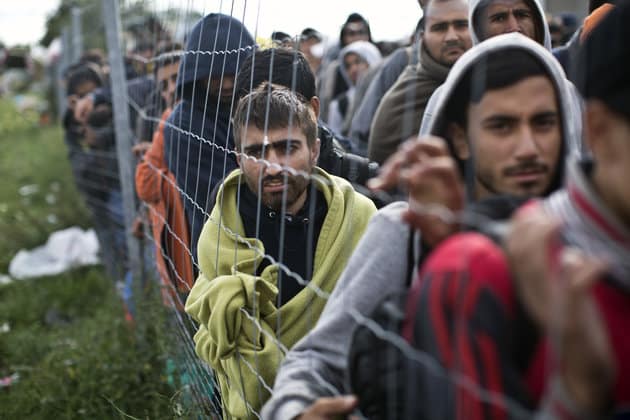
    随着中东地区冲突的加剧,大量的难民从这些饱受战争摧残的国家流出。是否能够接受更多的难民进入美国?这个问题不仅是华盛顿当权者热议的问题,也是今年总统大选的一个关键话题。本文是对美国民众对中东难民(特别是那些来自叙利亚、伊拉克、利比亚)态度的一个民意调查,其中最主要的发现为:1.59%的美国民众支持美国应该接受难民的进入(其中民主党占77%、青年一代占68%);41%的美国民众反对(其中共和党占63%、特朗普支持者占77%)。

    With conflicts in the Middle East continuing unabated, refugees continue to flow out of several war-torn countries in massive numbers. The question of whether to admit more refugees into the United States has not only been a source of debate among Washington policymakers, it has also become a central question within the U.S. presidential race. Nonresident Senior Fellow Shibley Telhami conducted a survey on American public attitudes toward refugees from the Middle East, in particular from Syria, Iraq, and Libya. Below are several key findings from the poll and a download link to the survey’s full results.

""


来源时间:2016/6/17   发布时间:2016/6/17

旧文章ID:10640

漫谈美国大选(20):枪声震动了大选?(5)

作者:梁达  来源:中美印象

   
   哈哈!这类历史,何其相似!这种“逻辑”,何其“成功”!

    说其“成功”,不是吗?我们大多数人,包括我自己,在相当长的时间里,如果不继续独立地思考追问下去,不是在“潜意识”的层面上,已经“默认”或者说接受了,这种对台湾那次选举的“逻辑”解读了吗?就不细说了,你只要想想,在你今天只是“回眸一瞥”式地想起那次台湾大选时,你还有其它不同的(思维习惯的)记忆吗?

    而说其“相似”,不也不是吗?那划过阿扁肚皮的一枪,已经改变了台湾那次的大选历史。而何况这次奥兰多,那已经夺去了49人性命的一阵“乱枪”呢?两相对比,难道它还不足以“震动”,当下美国的大选吗?

    其实,前后对比了这种“政治逻辑”,两次运作的类似案例,至少让我今天,开始回过头来明白,明白了有没有那划过阿扁肚子的一枪,民进党、阿扁都会胜选,因为,(不管民进党是不是更主张“台独”,不管阿扁是不是更不得大陆的偏爱喜欢,)民进党、阿扁更得台湾民主大众的喜欢,这种喜欢出自、也表现为台湾选民自主独立的选择。台湾人民大众拥有足够的政治理性和选举智慧,这种选择,绝不会因那戏剧性的一枪而改变。所以,我同样不相信“这届美国人民不行”!所以,我也不相信奥兰多的枪声,会最终在那个意义上,“震动”美国本次的总统大选,会改变美国沿着宪政民主的道路,200多年来一路向着自由,努力狂奔的政治大局。

    哈哈!说来说去,不认为,在那个意义上,“枪声震动了大选”;也不认为,也是在某个意义上,枪声震撼了你。你毫无“震撼”,那么,为什么重新拿起了笔,继续开始了,这对美国大选的“漫谈”呢?

    是啊!这新一篇“漫谈”写出来,好像显得满纸都是对那种“中国政治思维逻辑”的批驳论战。难道就是这样一种要打嘴仗的冲动,驱使你又拿起了笔吗?非也!是一种说起来很“难以明状”、甚至可以说很“莫名其妙”的震撼触发了我,让我决定就在那一刻开始,要继续续写这系列的“漫谈”。那是周一晚上,看完了ESPN的球赛转播,我转到了CNN,去看看新闻。刚好是“Anderson Cooper 360*”节目。当时时间已近半夜,但播出的画面可能稍早。因为他正在奥兰多现场直播,而画面中的奥兰多,天还未完全黑下来。定睛一看,他,Anderson Cooper正在一一宣读枪案中遇难者的名单。突然,他声音哽咽了,并一再哽咽,他手扶眼镜、转头,拭泪了,… …就是那一刻,我决定我要开始继续写了… …


来源时间:2016/6/17   发布时间:2016/6/17

旧文章ID:10639

漫谈美国大选(20):枪声震动了大选?(4)

作者:梁达  来源:中美印象


   【重新写来,真是不易。到此,又是一天啦。】


    所以,国内停歇时期的这一番思考加自省。确实让我一直懒得提起笔来。与其像大多数“专家”们那样,对基本已成定局的美国大选,再絮絮叨叨,无事生事地发番多是自己臆造的“高论”。还不如扎扎实实地结合对比于自己对中国的感受,介绍些被这些“专家高论”有意遮蔽或根本不曾触及的,对美国日常社会的真实体验和认识。我曾真的想过,或是放弃、或是扩展改变这美国大选的“漫谈”系列,像林达夫妇那样,写一个新的系列,专门写一写自己对美国社会,细微的方方面面的感受和体会。


    真的是有这必要。因为,今天你所看到的那些“专家”,不管他是正反哪方,也不管他是要赞扬或是要批评、甚至诋毁美国,你常会发现,他所引用的对美国的描述,和你在美国实际看到的情况比,经常是不准确的,是“子虚乌有”不存在的,甚至是“事实颠倒”刚好相反的。所以,… …。呵呵!争取书写这样一个描述美国日常社会的系列,真的被我这里说成了是当下的“当务之急”了啊?!哈哈!真的是有点儿“得意忘形”啦?忘了自己前边所说的,这“漫谈”系列就是一“私人性写作”的初衷和原则啦。


    真正的“当务之急”,还是先来谈谈为什么要重写这“漫谈”;谈谈奥兰多的枪案和美国大选的关系;谈谈那种认为枪声“震动”了大选,有助于Trump的观点,以及,其背后的那种“中国政治逻辑”吧。


    不能说奥兰多的枪案和大选没有任何关系。但,从竞选双方和选民大众近几天的表现看,并没有达到“震撼”整个大局的程度,也就更不能由此一口断定,其最终结果,是有利于那Trump。如果不是恰恰相反的话。


    要反省检讨那种“中国式政治逻辑”的话,我们可以让它回溯一下,回头去再检视检视,它既往曾经“成功”解读过的一个类似案例。时间倒回到2000年,地点吗,是宝岛台湾。应该是两党竞选总统投票的前一(?)天吧,一颗子弹划过了竞选人阿扁的肚皮… …。让我们看看,这一次,这“中国特色的政治逻辑”是怎么“成功”解读的吧:首先,打底的是一种“阴谋论”的基础“思维”。这一枪(极有可能)是民进党“自导自演”的“苦肉计”,(哦,中国传统兵家的“三十六计”之一喔。你就继续感叹自豪吧!中国人的“老祖宗”真TMD太伟大啦?)是阿扁们欺骗选民的“苦情戏”。其次,就是典型的以小概率的突发、偶然事件来决定、来改变,更多事实已确定的“大局”的套路了。

   不是吗?不就是划过阿扁肚皮的那一枪,没有要了他的命,却救了他据说“岌岌可危”的选情。并且,整个改变了历史的命运,让本来据说极难胜选的阿扁成功当选了总统,而让那被海峡这边极为看好,据说极有希望当选的连某的政治生涯,再也“连”不上啦。(哦,除了后来在海峡这边的大陆,被大陆当局及那官方的NGO组织“孔子和平奖委员会”,给那么“哭笑不得”地续接了几次外,… …。)

来源时间:2016/6/17   发布时间:2016/6/17

旧文章ID:10638

漫谈美国大选(20):枪声震动了大选?(3)

作者:梁达  来源:中美印象


   说起来,这种中国式的臆测逻辑,其根本问题,就在于其不相信“人民的政治智慧”。它久不相信中国人民已经惯了,现在,又把这一套搬运到美国人民这儿来啦。哈哈!确实,Trump的突起和在共和党提名上的成功,是因为他“政治不正确”的大嘴,(如前面所说)代表了一些(底层)右翼民粹的一贯被压制的利益诉求。但,美国民主制度下,今日“政治正确”的底线一步步地进展和确定,绝不是“凭空”白来的。更不是如一些中国人所说,是一小撮“白左”,蛊惑民众,激进而来的。它应该是民众主流总体,在“文明进步”方向上的,一种自由自主选择的结果。你可以看不惯,或看不懂这种方向、这种选择。(像我自己就有点儿这样,本次枪击案后,看到纽约、洛杉矶等地的LGBT的集会游行,看到电视对他们的采访,心里总是感觉有点儿怪怪的。)

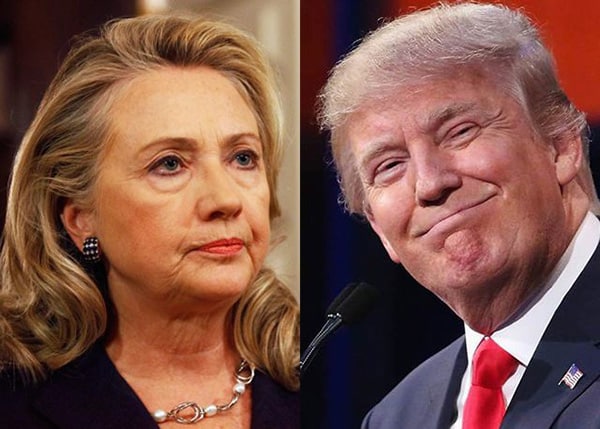
   但,请不要用你自己的臆想、习惯的逻辑来替别人解读它。所以,还是那种说法,如果Trump代表的这种底层思潮,终不可能翻身上来,成为美国主流的话,他就不可能当选为美国总统,也就更不可能由着奥兰多这次惊悚、震撼的枪声,去撼动、去改变美国本次大选的格局。而说起Trump,那无脑无畏的他,这次开始时,还真“搞笑”,还真是像在配合那中国逻辑的“推测”似的,又上演了一场闹剧。他还真借此枪案,抓紧攻击了一下他民主党的对手,从未来的总统Hillary Clinton到现任的总统奥巴马。洋洋自得地炫耀了一下自己以往不“政治正确”的“预见”的“高明与正确”吧。他真的有此大胆而卓越的“洞见”吗?他真的就此事件而在大选中得分了吗?实际结果又是怎样呢?就不说奥巴马和Hillary立马严厉的反击,给他民主党的对手,Hillary本人加没加、或加了多少分啦。

   只要看看CNN报道的几个民意调查的最新结果,再看看他共和党内的大佬对他的态度就行啦。共和党内大佬,如众议院议长、如参议院多数党领袖,前边刚刚都是“迫不得已”地表达了对他的背书、支持吧?这次,在被记者问起,对他的此次做为的看法时,要么是唯恐避之不及的不做回答;要么就是显出了一种对他“恨铁不成钢”的惋惜口气,或“狗屎扶不上墙”的厌恶态度。呵呵!而在民调中,确实美国有相当一部分选民,从来就不喜欢两党候选人中的任何一个,(他们要是投票的话,应该不是择优,而是除劣啦?哈哈!)其中,也就真有因为她一副“老政客样子”等等原因,而不喜欢Hillary的。

   但,这次事件一出,他那大嘴又那么一说,至少民调中,不喜欢他Trump的百分比率,是一路攀升啊。(这些人要参加投票的话,可能不是为了Hillary的当选,而是为了Trump的不当选。还真有那么点儿意思啊?)所以,怎么说呢?哦,套用中国网上流行的一个说法吧:中国的“专家”们,你尽可以心底里认为,“这届中国人民不行”。但,请不要把这套观念想法搬到美国,你不能说这届美国人民也不行吧?

来源时间:2016/6/17   发布时间:2016/6/17

旧文章ID:10637

漫谈美国大选(20):枪声震动了大选?(2)

作者:梁达  来源:中美印象网

    
   所以,即使在前天从微信上,听到及浏览到,一“正”一“反”,(哦,是就其和天朝党国利益的关系而言),一民间,一官方或半官方背景的两位“专家”的相关言论后。虽然,一开始也挺“佩服”他们所表现出来的,能马上把此次枪击和美国大选及政局关联起来的“政治联想力”。但,也仅此而已,没有被“震撼”到。总体上,仍是不太把他们的相关说法当回事,当然,也就更不会认同他们的预测分析。哦,这两位,此次倒是“正反”同途,一致认为,周日奥兰多的枪声,“震动”了、甚至可能会改变本次美国总统的大选。并且,彼此不约而同,还都认为此次枪击,“利好”于共和党的Trump。


    他们的分析和说法,之所以仍不足以“撼动”我,是因为这三个月来,尤其是回国内的“停歇”,使我逐渐形成了这样一种“成见”。那就是国内(背景)的对美国大选,甚或对美国政治的观察和评论发言,大多是一种“言不及义”的“自言自语”。说其“言不及义”,是指其不及美国实情之义,他们好像只是“浮光掠影”地和美国接触了一下,就张口发言,然而,却总是说不到“实情”的点子上。比如,其论述中所引用的依据,往往也确实是事实,但,只是当下的、直接的、一点一面的事实。而对于更是普遍的、基本面的其它情况,尤其是一些相反情形的事实,他们要么是留意观察不到;要么是故意视而不见。而说其“自言自语”,则是指他们往往就是在这种片面化的事实基础上,就开始了自己臆想式的推理,或者,占卦式的预测。比如,他们往往会把基本国情不同的美国,臆想、比照为中国,甚至是一个符合其“预设目的”的、臆想中的中国;然后,然后就俨然像已成为其心目中的“帝王国师”、“思想教头”一般,洋洋自得,四处顾盼。


    “自言自语”的“言不及义”与“言不及义”的“自言自语”,这二者结合,可以说就构成了一种典型的中国特色的“(对美)政治逻辑”。这种“中国政治逻辑”,一个特点就是简单、直接和粗暴 、无理。它会阻断、蒙蔽人们, (哦,不仅别人,还会尴尬地包括这逻辑的运用者自己吧,)对问题做多方位的深入观察和思考。


    这次的正、反两位,也就大抵如此吧。自然,其遵循这种“逻辑”而来的各种观点,最终也都会被后续实情的变化和发展,一一击破、推翻。比如,此一枪案,确实牵扯到宗教、同性恋、控枪和移民等敏感方面,像上面的某一“专家”所说,触碰到了四面(或三面半)相关于“政治正确”话题的“禁忌”之“墙”。但是,从新闻媒体的调查访问等实况报道中,你很难看到美国人有任何的(至少是中国人理解此一词汇中的)“禁忌”拘束,他们总是在很从容不拘地、就事论事地讨论、探讨,和枪案相关的各个方面的问题。当然,也就更不一定会如这两位“推测”的那样,因为,Trump一贯的无脑大嘴,不顾忌“政治正确”的底线,而此次事件,就会“震撼”影响,相当一部分此前对“政治正确”敢怒不敢言的所谓中间选民,使他们在11月大选投票时,倾向或转向Trump。

来源时间:2016/6/17   发布时间:2016/6/17

旧文章ID:10636

漫谈美国大选(20):枪声震动了大选?(1)

作者:梁达  来源:中美印象网

    
   上篇“漫谈”完成于回国前的3月14日,至今已整整3个月啦。当时,说给自己暂时停笔的理由就是,回到国内,没有CNN等电视看了,直接的外在信息和个人的观察兴趣点也就不多了。现在看,这确实是一个主要的、很为客观化的“借口”。不过,还有一个更重要的理由,可能没太好说出口,那就是对美国本次大选的基本形势和个人的预判也早已明了了。再写选情及其分析的话,新意或不多啦:选来选去,民主党的nominee,白宫的下届主人就是Hillary Clinton啦;而共和党方面,无论是谁走到11月,也都只是凑凑热闹,无关紧要的啦。


    所以,当朋友们劝我回国后不要停笔,还继续写时,也曾几经犹疑,动了那么几次念头,但,最终还是没有落下笔来。然而,倒是也一直在给自己说吧?再到美国,一定各不“辜负”,争取接着观察,继续写… …。


    而今,再来美国又已月余。并且,家人的学校也都放假了,不用再整日接送,做饭什么的啦;闺女的ACT也考过啦;自己也抽空把两本从网上下载很久的书都读啦。一句话,从个人说,早已“腾空”了可能占心的诸多“杂事”吧。换个“角度”说,电视也已又接上啦,除了大选之外,其它的各类兴趣“热点”,也都一一或发生或过去啦。像我所在的小城Louisville,也已半是“倾城”而动地,隆重送别了其Hometown Hero,“The Greatest”,Muhammad Ali啦;欧洲杯也开球了,今天小组赛第一轮也打完啦;而NBA总决赛,虽说不像我前边估计的那样,在昨晚,以4比1终结。但,“骑士”无望,“勇士”夺冠,可能大多数人也都不会对此结局有太多疑问了吧?“内内外外”,都不再提供任何理由,让你因热点杂事“分心”,而“懒动笔墨”了啊!


    当然,当然,更有上个“超级星期二”的到来,它结束了加利福尼亚等六个州的Primary(总统候选人的预选)。也算是板上钉钉,让Hillary毫无意外地成为了民主党的nominee。并且,连奥巴马都已经(再次?)“迫不及待”地公开说,白宫已经确定了它的下任主人啦。难道这一切,都还不足以让你捡起笔来,继续你这“大选漫谈”吗?莫非真要再磨蹭下去,一直磨蹭到11月的大选结束吗?那时,还谈什么呢?或者,非要显得好似大多数(中国的)美国大选的观察者那样,只等到奥兰多那一阵夜半惊悚的枪声突发响起,才被“唤醒”、被唤回到这“漫谈美国大选”的话题吗?这不是“起哄”凑热闹吗?


    其实,周日凌晨,我即便没睡,好像也没看电视;而即使在看电视,也没看CNN等新闻频道。因为,这几天,ESPN正在直播欧洲杯,并且,一天三场后,往往还有场MLB美国职业棒球联赛。此外,应该NBA那晚也有一场决赛(?)。所以,周日一白天,同样是守着ESPN,同样是三场欧洲杯,再加一场MLB棒球赛,“忙”得个是不亦乐乎。因而,直到夜半很晚,才听到奥兰多枪声的消息。


    但,即使知道了那被美国人称作历史上最大的“公众枪击(mass shoting)或屠杀”案件后,也并没有对其太多留意,更没联想到,它会“震撼”或影响到美国当下的大选。一则是因为,不管CNN等新闻媒体怎么样用“耸人听闻”的词汇,反复滚动地“轰炸”播出。感觉已习惯了美国媒体如此“做派”的我,已有点儿“新闻接收”的疲劳啦。二则,是在这几年多少了解了些,美国人的“禁枪”之争后,也只会认为,这或许又只是新一轮两方论战的导火索而已。结果吗?极有可能还会像前面一次次一样,在民间持枪问题上,基本维持现状,最终“不了了之”。


    虽然,这次新闻说,伤亡人数是历史最多,但,历史何曾又不是一次次这样的“累进”而来的呢?再何况这次的被袭人员还主要是些LGBT呢。虽说,按已接受的“政治正确”的熏染,会对所有逝去的生命报以同情。但,心底里,那可能不太容易排除干净的,也可能不那么“政治正确”的“旧习惯”,也可能仍会在隐隐“作怪”吧?总之,奥兰多此次的枪击,在我,至少是不太会引发,比三、四年前的Newtown,那次20多个学季儿童的夭折,所带来的更大的震撼。所以,奥兰多的枪声又怎么可能震动到这次总统的大选呢?在我看来,不太相关啊?


    【搁置仨月,重拾笔墨,殊是不易啊!昨天下午开写,到现在已一整天了。当然,其间欧洲杯一场没误,还时不时转到CNN等,留意一下美国人的热点新闻。另一方面,也把前面的文字梳理了几遍。这不说是借机清理此“漫谈”的大的叙述思路,至少是希望这重写的“漫谈”系列,在表达上,能更准确和轻松些吧。期望中也!】


来源时间:2016/6/17   发布时间:2016/6/17

旧文章ID:10635

枪击案之后,特朗普忙着煽风,希拉里忙着灭火

0

作者:金君达  来源:观察者网

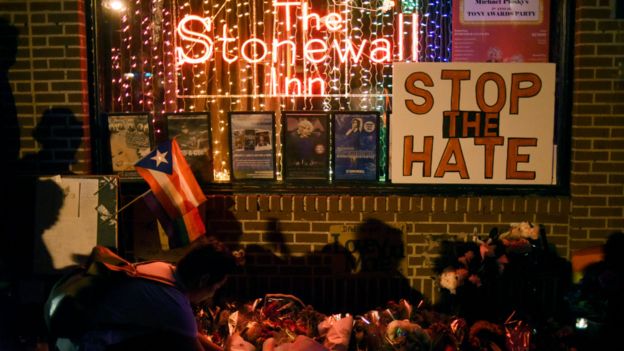
  6月11日发生在佛罗里达州奥兰多的枪击事件,可谓是美国史上最恶劣的大规模枪击事件,毫无疑问会对当下的美国选情造成影响。美国两党政治人物纷纷表态哀悼慰问的同时,也没有放过推销自己政治主张的机会。尤其是有“大嘴巴”之称的特朗普,更是直言“奥巴马应该辞职!希拉里应该退选!”

  据当地司法部门公开的案情,凶手曾声称向“伊斯兰国”(ISIS)效忠,这不仅使得美国民众将该袭击与不久前发生在欧洲的一系列恐怖袭击相联系,而且让人更外关注枪手的宗教背景。对于一贯主张对穆斯林群体强硬的共和党总统竞选人特朗普而言,这很可能是个利好消息,他在推特和脸谱网上也收获了大批“祝贺”。原本选情占优的民主党竞选人希拉里·克林顿则不得不处理这个意外情况。希拉里作为身经百战的政客,想必对特朗普的抨击有所准备;然而这次民主党的其他政客、特别是奥巴马总统很可能拖了希拉里的后腿。

""

  在枪击事件后,民主党的宣传机器另有一套说辞,奥巴马也没有放过借题发挥、抨击共和党的机会。但这次枪击事件无疑给民主党方面出了一道难题:当他们的两大票仓发生震惊全国的暴力冲突,民主党的政客应该怎样表态?总体而言,是以照本宣科的“官样文章”为主,强调个人因素,避免提及宗教,同时不忘提倡禁枪。然而这次事件距离美国普通选民太近,人们总能发现奥巴马等人反复回避的一些事实,部分人以此为契机反思奥巴马执政时期的政策。到了这一步,辩论双方的焦点已经不以希拉里的意志为转移,她因此处于相对被动的局面。

  很显然奥兰多枪击事件包含两个要素,暴力恐怖袭击和文化冲突。前者想必美国群众并不陌生,数日前歌手圭密就在同一座城市遭到枪杀。后者则是这次夜店袭击的特有现象,无论凶手的动机如何,他都挑战了美国社会的“政治正确”:公开反对LGBT团体。美国左派拒绝将此次暴力事件视作族群冲突,因为反对歧视穆斯林也是他们的文化多元论调和“政治正确”的一部分:奥巴马总统和大多数民主党人甚至不使用“极端穆斯林”这样的说法,在奥巴马的回应中也没有提及凶手提到的“伊斯兰国”。

  虽然特朗普在族群言论上屡次使用“极端穆斯林”来指出他只针对该宗教中的一小撮人,美国自由派仍然视其为煽动族群仇恨的代表人物。在这些评论家看来,凶手之父声称儿子行凶与宗教无关、只是“看见同性恋接吻很沮丧”而开枪的说法是完全站得住脚的,有人甚至大胆猜测凶手是同性恋,将美国历史上最严重的枪击事件解读为凶手拒绝承认自己性取向的心理挣扎。倘若某位暴恐分子在中国或者伊朗、俄罗斯犯下同等罪行,很难想象这些媒体会用同样的逻辑揣测凶手的犯罪动机。在世界各地都面对类似族群问题的今天,这种欲盖弥彰的辩解无异于火上浇油。

  除了媒体提及的凶手父亲与塔利班的关联以外,其他一些近期事件也引人关注。数周前,一位英国籍穆斯林学者Farrokh Sekaleshfar在枪击案发生的奥兰多演讲时声称,同性恋应该被“毫不留情地消灭”(exterminated without compassion)。虽然联邦调查局否认凶手与“伊斯兰国”的关系,这次袭击不但符合该组织先前宣称的“斋月期间将发动更多袭击”的威胁,而且发生在奥兰多城的“我是同性恋我骄傲周末”(Gay Proud weekend),在LGBT人群的聚会上造成大量伤亡。当然,最直接的事件莫过于凶手行凶前拨打的911电话,他明确提到自己“效忠”“伊斯兰国”。

""

  即使凶手只是如自由派声称的是单纯的恐同症,他的表达方式也与其宗教背景紧密相关:2011年,他在脸谱网上发送的第一条消息就是极端分子Moner Abu-Salha发布的、有关一名伊玛目以死亡威胁谴责同性恋的视频(这位Abu-Salha在2015年成为叙利亚战场上首名美国籍的人弹)。倘若此人反复从某种文化中引证自己对同性恋人群的仇恨,那么有意回避文化冲突而讨论个人动机的“政治正确”就显得有悖常理。而且此人显然受惠于他的宗教信仰,凶手先前的一名同事声称他公然讨论杀人,雇主害怕被控宗教歧视而不敢采取措施。此外,为极端穆斯林发言的美国社会团体“美国与伊斯兰关系协会”(CAIR)在事件发生后公然驱逐提及枪击案的记者,这种反应显然不利于淡化文化冲突。

  民主党的职业政客第一时间将矛头指向控枪,在抨击共和党的同时转移人们对文化冲突的关注。例如伯尼·桑德斯在枪击发生后声称,相比个人动机、恐怖主义等因素,缺乏枪支管控才是罪魁祸首。奥巴马在谴责“恐怖与仇恨行为”的同时也不忘提醒人们枪支管控的重要性。民主党这种说法的一个依据是,凶手使用的AR-15是高度危险的自动化武器,远远超出“保卫个人权利”的需要,应该立法禁止。虽然凶手先前已经引起联邦调查局注意,他仍然可以从合法渠道买到这把危险枪支;某些报道还声称他还受雇于一家与美国国土安全部合作的国际安保公司。考虑到联邦调查局未免有失职之嫌,凶手轻易获得危险武器,不排除希拉里能够从近来的暴力袭击中得分。

  然而更关键的问题正是人们调侃的“是什么让他举起了屠刀”,行凶者不会因为难以取得武器就变得安分守己,他们会诉诸其他的暴力方式。民主党方面努力将暴力事件的成因解读为“个人问题”,将枪击动因定性为“恐同症”,但凶手的种种行为都表明这或许不是又一个耳熟能详的“神经病”杀人事件。人们对这次袭击的关注点,很可能还是会回到文化冲突上。

  由于枪击事件的双重性质,美国的保守派也涌现出两派观点,一派自然是剑指凶手的文化背景,另一派保守基督徒则不忘借机谴责同性恋人群的夜生活。然而无论他们是否同情被害人,这些保守派不会因为枪击事件而转向希拉里;至于民主党方面,希拉里能否保住陷入冲突的支持者群体就不好说了。

  穆斯林和LGBT群体均被视为民主党的票仓。事件发生后,以批判极端宗教群体著称的同性恋评论家Milo Yiannopoulos公开发问,美国社会是要LGBT权利、妇女解放和宗教自由,还是要极端宗教?另有人指出女权人士目前对凶手前妻曾经遭受的家庭暴力保持沉默。民主党屡屡提及控枪的同时,竭力回避任何有关穆斯林的词汇,甚至没有提及“恐同症”,不排除某些LGBT群体由于民主党在极端宗教上的不作为而倒向特朗普。民主党目前采取的措施仍然是口号式的“宽容”,但此次枪击案的规模之大、影响之恶劣远远超过寻常的文化冲突,这种老调重弹的策略能否奏效还未可知。当然维系民主党支持者的,还有对特朗普和保守派(虽然这两者并不重合)的仇恨,然而特朗普和保守派不会威胁杀死弱势群体,近期来甚嚣尘上和极端宗教言论和行动则未必客气。在近距离面对死亡威胁和目睹民主党的“绥靖政策”后,部分摇摆选民可能会转向特朗普。

  这次袭击也暴露出民主党未来的挑战。在美国两党的政治版图上,民主党近年来逐渐成为稳定的多数党,因为在推特上,希拉里对枪击事件的表态非常谨慎克制,只是表示同情哀悼,避免口号式的政治推销;大选在即,希拉里的竞选团队大概比任何人都清楚偏袒其中一方造成的政治后果,他们也很聪明地避免留下“吃人血馒头”的印象。然而民主党人替她做了表态,很难说希拉里能够掌控事态的发展和民意的变化。

  对于许多美国人而言,奥兰多的枪击事件很容易让他们朝着两个方向延伸联想:首先是近年来发生的恐怖袭击,巴黎、布鲁塞尔、俄罗斯客机等近期袭击都反映出国际上愈发显著的极端宗教威胁,特朗普很早就对极端势力抱有强硬态度,因此在每次骇人听闻的恐怖袭击之后都被赞为先知;这次枪击案可能进一步证明,特朗普所谓“吸引眼球”的强硬言论或许反映出美国社会、西方社会乃至现代文明难以回避的问题。

  其次是奥巴马政府在安全政策上暴露出的问题。此次凶手提到波士顿马拉松爆炸案,波士顿的袭击同样发生在奥巴马任期、同样造成全美震动、发生在被认为最安全的美国城市之一、而且凶手没有用自动步枪。除了经常被提及的经济不安全感,美国社会的人身不安全感在近年来同样突出,美国社会长期争论的控枪问题似乎不是这种潜在威胁的唯一成因。人身感到威胁,又迫于“政治正确”无法点明问题,特朗普的支持者往往拥有这种心境。

  总而言之,奥兰多的惨剧很可能在本已白热化的美国大选中掀起更大的波澜,两党政客和支持者无疑会因此大做文章,凶手的敏感背景使得特朗普再次成为“先知先觉”的赢家。

来源时间:2016/6/16   发布时间:2016/6/15

旧文章ID:10660

奥兰多恐袭和美国的“伊斯兰恐惧症”

作者:赵灵敏  来源:凤凰评论

  美国当地时间6月12日凌晨发生在佛罗里达州第三大城市奥兰多一间同性恋酒吧的枪击案,目前已经造成50人遇难,超过2007年造成32人死亡的弗吉尼亚理工大学校园枪击案,成为美国历史上死亡人数最多的枪击案。

  29岁的凶手Omar Mateen是一位阿富汗裔的美国穆斯林,从事保安工作,曾经因为发表过煽动性的言论被FBI调查。很快,媒体又挖出Omar Mateen的父亲Seddique Mateen是塔利班的支持者,以及Omar Mateen经常打老婆的往事。史无前例的枪击事件和这些与凶手的穆斯林身份相关的细节,无疑将进一步强化美国社会的“伊斯兰恐惧症”和对穆斯林的排斥心理。

  美国和穆斯林世界的关系源远流长。北非国家摩洛哥是第一个承认美国独立的国家,美国第三任总统杰斐逊对伊斯兰经典也不陌生,他本人就拥有一本《古兰经》。2006年美国第一位穆斯林国会议Keith Ellison在宣誓成为国会议员时使用的就是杰斐逊珍藏的《古兰经》。有学者估计,早年从非洲运往美洲的奴隶当中,穆斯林的比例约为20%。从19世纪开始,美国经历了四次大规模的穆斯林移民潮,不过无论是清真寺的建设,还是穆斯林组织的成立,主要是二战以后的事。由于美国的人口普查不统计宗教信仰,因此目前美国到底有多少穆斯林并没有确切的统计数字,普遍的估计是有大概300万人,占人口的1%左右,这些人中的63%是第一代移民,37%在美国出生。Omar Mateen也是出生在美国的穆斯林。

""

  图为嫌犯枪手Omar Mateen的自拍照。

  值得一提的是,在美国的阿拉伯人和穆斯林是有区别的。美国的阿拉伯人大多来自黎巴嫩叙利亚等世俗程度比较高的中东国家,多数是基督徒,并不是穆斯林;而美国的穆斯林大多来自非洲和南亚,多数也不是阿拉伯人。

  由于美国的穆斯林人数不多,加上美国社会的包容性很强,因此在911之前,美国穆斯林和主流社会相安无事。伴随着911事件的发生和全世界范围伊斯兰恐怖活动的增加,尽管美国官方和穆斯林领袖做了很多努力来把极端分子和普通穆斯林切割开来,但美国社会的“伊斯兰恐惧症”还是急剧升温。911事件发生1个月后,美国广播公司(ABC)进行的民调显示,47%的美国人对穆斯林抱有好感;到2011年,数字跌到37%。到了2014年,“阿拉伯裔美国人研究所”的调查显示,只有27%的美国人对穆斯林仍有好感。

  2010年初,美国交通安全委员会对来自14个国家的乘客采取特别安检措施,有“宝莱坞之王”美誉的印度著名影星沙鲁克·汗因为“汗”这个姓氏,在美国一家机场被怀疑是恐怖分子,遭到了近两个小时的盘问,直到在印度驻美使馆介入后他才得以脱身。

  更糟糕的事情是2015年12月2日发生在加州小城圣贝纳迪诺的枪击案,主犯赛义德·法鲁克出生在美国,接受美国教育,平日工作生活和普通美国人没有两样,还育有一个6个月的孩子。在这样一个小地方、由一个貌似身边普通人所进行的恐怖攻击事件,很大程度上摧毁了美国人的安全感,很多人开始认为,恐怖分子就在他们中间,也许就是看上去普普通通的美国穆斯林。

  此后,美国机场不止一次发生乘客拒绝和看上去是穆斯林或说阿拉伯语的人同乘一架飞机的事情,这些穆斯林被请下飞机,有的因愤怒而拨打911,但最后还是不得不同意接受更严厉的安检,才被允许登机。在“政治正确”无处不在的美国社会,这种现象在过去根本不能想象,但在上述事件中,从乘客到航空公司,没人认为有什么不妥。美国各地针对清真寺的武装袭击事件开始不断发生,一些穆斯林开始隐瞒自己的宗教信仰。

  到了本次美国大选,“穆斯林”、“伊斯兰教”成了高频词汇。为了吸引具有保守倾向的选民,同时为了打击倾向于保护少数弱势群体的民主党对手,共和党总统参选人本·卡森和特朗普频频向穆斯林群体、伊斯兰教发难,特朗普的“禁止穆斯林入境”的言论更是尽人皆知。尽管如此,特朗普仍在初选中胜出,这本身就能折射出美国社会对穆斯林态度的变化。

  当然,由于一直以来美国对于本土穆斯林的宽容没有达到欧洲那种匪夷所思的地步,加上自由民主意识的深入人心,因此人们的反弹和憎恶也是有节制的,即便特朗普上台,“禁止穆斯林入境”这样的事并不会真的发生。但一桩桩恐怖袭击的累加,会越来越把穆斯林推到美国社会的对立面。和世界其他地方一样,往后在美国老百姓眼里,极端分子和普通穆斯林之间的界限,只会越来越模糊。

来源时间:2016/6/16   发布时间:2016/6/13

旧文章ID:10652

外交部回应“奥巴马见达赖”:停止利用涉藏问题干涉中国内政

0

作者:黄惠馨  来源:央视新闻客户端

  美国总统奥巴马6月15日同第十四世达赖喇嘛进行了“私人会见”。对此,在外交部今天(16日)举行的例行记者会上,发言人陆慷敦促美方停止利用涉藏问题干涉中国内政。

  陆慷说:“美领导人会见达赖,无论采取什么形式,都违反美方关于承认西藏是中国一部分、不支持“藏独”、不支持分裂中国活动的承诺,干涉中国内政,损害中美互信与合作。我们敦促美方停止利用涉藏问题干涉中国内政,以实际行动维护中美合作大局。”

  陆慷指出,西藏事务纯属中国内政。任何外国无权干涉。第十四世达赖不是一个单纯的宗教人士,而是长期披着宗教外衣、从事反华分裂活动的政治流亡者,其所谓的“中间道路”主张实质就是要搞“西藏独立”。

  陆慷说,中国政府和人民捍卫国家主权、维护民族团结的意志坚定不移,任何想拿涉藏问题做文章、破坏中国稳定和民族团结的图谋都是徒劳的。

  针对西藏的宗教文化事业,陆慷表示,只要对比一下西藏和平解放前后西藏宗教、文化状况,任何一个客观的人都会得出客观的结论。 至于中国西藏的情况,中国人民最有发言权。和平解放60多年来,西藏各项事业取得前所未有的成就,社会经济取得长足发展,这是任何不抱政治偏见的人都不会否认的基本事实。

来源时间:2016/6/16   发布时间:2016/6/16

旧文章ID:10650

当奥巴马彻底被特朗普激怒 他是怎么反击的?

0

作者:金江歆  来源:新浪国际

""

  6月12日,美国奥兰多一家夜总会发生了严重恐怖袭击,造成50人死亡53人受伤。美国总统奥巴马于本周二就该起事件及反恐问题发表公开演说。在演说中,一向沉稳的奥巴马表现出少见的激动和愤怒,甚至指名道姓批评共和党总统候选人特朗普,多家美国媒体都表示,从没见过奥巴马这么生气……

  恐袭发生后,特朗普多次在推特发帖批评奥巴马不够强硬,并屡屡质疑奥巴马为什么从不使用“极端伊斯兰主义”这个词。

  特朗普说,“‘极端伊斯兰主义’,这是个非常重要的关键词,然而我们的总统拒绝使用这个词。”在本周一的一次采访中,特朗普甚至暗示,奥巴马在某种程度上同情伊斯兰恐袭分子。

  在周二的演说上,奥巴马愤怒地回应了特朗普的指责:

  “‘极端伊斯兰’这个词没有任何魔力,解决不了问题,只是个政治辞令。我关心这个完全出于反对极端主义,与政治正确无关”。

  “如果我们对整个宗教宣战,那我们就掉进了恐怖分子的圈套,为虎作伥了。”

  巧的是,希拉里也在同一天发表了演讲,她说:“难道有什么魔法词汇能阻止恐怖主义吗?”

  在时长25分钟的演讲里,奥巴马花了很大篇幅抨击“某些人”危险的心态,以及没有认清美国的敌人是谁就胡言乱语的行为。

  起初他并没有指名道姓,但当演说进行到第十九分钟时,奥巴马把炮火明确对准了特朗普:“我们听到了来自共和党总统候选人特朗普的声音,要把移民赶出美国,”“难道我们要开始区别对待美国穆斯林吗?对他们进行特别监控?因为他们的信仰歧视他们?共和党的官员们难度真的认同这些言论吗?这不是我们要的美国!这没能反映美国的价值观!”

  “历史上有过这样的恐怖时期,”说到这里,奥巴马停顿了很久,“政府曾经迫害他的民众,这是一段令人羞愧的历史……”

  奥巴马面色凝重,没有再继续说下去,但美国媒体解读,他是在暗示特朗普,不要让美国开历史倒车。

  对奥巴马的怒言相向,特朗普当然也不会就此作罢,就在当天晚上,特朗普在北卡罗来纳的集会上,面对上千名激动的支持者,大肆嘲讽奥巴马,“我今天听了奥巴马总统的演说,他对我比对枪手更愤怒。”,“没人明白他在说些什么,除了一点,他是被特朗普激怒了吧?”特朗普还补刀说,奥巴马是个“糟糕的总统”,在任期内“表现差劲”。

  奥巴马与特朗普的矛盾由来已久。特朗普曾质疑奥巴马不是出生在美国的合法公民,称他“不是美国人”,而奥巴马在演讲中的实力回呛,则被NBC,CNN等多家美国媒体评价为,奥巴马试图在价值观上证明——“特朗普才不是美国人”。

来源时间:2016/6/16   发布时间:2016/6/15

旧文章ID:10647